Mountain regions around the world are experiencing a fascinating evolution in their real estate dynamics. As remote work reshapes lifestyles, demographic shifts alter demand, and unique geographic factors influence prices, the concept of Mountain Housing has emerged as a significant trend in many emerging and secondary markets.
In this comprehensive article, we explore the key forces driving mountain housing trends, the economic and lifestyle factors behind them, the challenges and opportunities they present, and what the future may hold for buyers, investors, and communities alike.
Mountain regions around the world are experiencing a fascinating evolution in their real estate dynamics. As remote work reshapes lifestyles, demographic shifts alter demand, and unique geographic factors influence prices, the concept of Mountain Housing has emerged as a significant trend in many emerging and secondary markets.
In this comprehensive article, we explore the key forces driving mountain housing trends, the economic and lifestyle factors behind them, the challenges and opportunities they present, and what the future may hold for buyers, investors, and communities alike.
Introduction: What Is Mountain Housing and Why It Matters
Mountain Housing refers to residential properties located in or near mountainous areas—often prized for their natural beauty, recreational access, and lifestyle appeal. These properties range from primary homes to vacation retreats and investment assets. Traditionally considered niche or luxury assets, mountain homes are now gaining broader attention as shifts in remote work and demographic preferences increase their desirability.
These trends are reshaping markets in North America, Europe, and parts of Asia, where mountain living is no longer just for seasonal use but attracting more year-round residents and investors. Understanding these changes helps stakeholders anticipate future opportunities and risks.
- Shift in Demand: Remote Work and Lifestyle Preferences
One of the most transformative forces behind Mountain Housing trends is the growing prevalence of remote work. With many employers offering flexible work arrangements, people no longer need to live close to traditional urban job centers. As a result, buyers are increasingly looking to relocate to areas offering more space, natural beauty, and a higher quality of life—often found in mountain regions.
Remote work and flexible lifestyles have significantly influenced housing demand and pricing patterns across rural and mountain markets. Communities that were once seasonal or tourist destinations are now attracting full-time residents who value a blend of lifestyle, health benefits, and affordability. This migration has contributed to the rise of “Zoom towns,” where remote professionals settle in previously quieter regions.
- Price Dynamics and Market Performance
The dynamics of Mountain Housing prices vary widely by region, but there are some common patterns. On average, mountainside properties are valued at a premium compared to other rural areas due to their scenic location and lifestyle attributes. Research indicates that housing prices tend to increase significantly the closer they are to mountain landscapes, with proximity often boosting property value.
However, the influence of slope and terrain can moderate this effect. Steeper areas may be less desirable due to construction costs, accessibility challenges, and infrastructure limitations, even if they offer exceptional views. Market performance also depends on local economic conditions, supply levels, and buyer profiles. Some mountain towns have seen rapid appreciation, while others have experienced short-term corrections despite strong long-term appeal.
- Urban Exodus and Migration Patterns
Beyond remote work, broader demographic shifts are fueling Mountain Housing demand. Urban residents are increasingly seeking alternatives to high living costs, congestion, and limited living space. Mountain towns often provide a compelling option by offering cleaner environments, outdoor recreation, and a strong sense of community. Data from rural and vacation markets show that home prices in these areas have surged significantly over recent years, reflecting sustained buyer interest.
Importantly, this movement is not limited to second-home buyers. Many households are relocating permanently, particularly professionals who can work remotely and retirees seeking lifestyle-driven living. In regions close to major cities, mountain communities are benefiting from hybrid living patterns, where residents balance natural surroundings with occasional access to urban amenities.
- Investment and Second-Home Market Dynamics
Mountain Housing also plays a major role in real estate investment strategies. Vacation homes, short-term rentals, and second residences have long been associated with mountain markets, but their function is evolving. In many mountain destinations, second homes are increasingly designed as income-generating assets rather than purely personal retreats. The growth of short-term rental platforms has transformed how investors view mountain properties, often improving yields but also intensifying competition.
Luxury developments in mountain regions highlight growing demand for premium offerings that combine privacy, views, and high-end amenities. For investors, Mountain Housing represents a diversified asset class that offers potential appreciation, rental income, and personal use. However, these markets can be sensitive to tourism trends, regulatory changes, and economic cycles, making local market understanding essential.
- Price Pressures and Local Challenges
While rising Mountain Housing demand can stimulate local economies, it also introduces challenges. Increasing property values may reduce affordability for long-term residents and local workers, particularly in towns with limited housing supply. This can lead to labor shortages, community displacement, and social tension. In response, some mountain towns have implemented restrictions on second-home construction or short-term rentals to protect permanent housing stock.
Balancing external investment with local housing needs remains a complex issue. Authorities must weigh tourism revenue and development benefits against the preservation of community character and social stability.
- Environmental and Sustainability Considerations
Mountain environments are inherently sensitive, and expanded housing development can place pressure on ecosystems, water resources, and wildlife. As Mountain Housing trends continue, sustainability has become a central concern. Developers and planners are increasingly focusing on eco-friendly building practices, energy efficiency, and responsible land use.
Measures such as limiting construction footprints, using sustainable materials, and integrating renewable energy are gaining traction. In some regions, development is guided by strict zoning laws and conservation policies to protect natural landscapes while accommodating controlled growth.
- The Future of Mountain Housing: Trends to Watch
Several key factors are expected to shape the future of Mountain Housing markets. Continued acceptance of remote and hybrid work models is likely to sustain demand for mountain living. Improved digital connectivity and infrastructure will further enhance year-round livability. Demographic changes, including aging populations and lifestyle-driven migration, will continue to influence buyer profiles.
Sustainability will play an increasingly important role, with environmentally responsible projects gaining preference among buyers and regulators. At the same time, policy interventions may become more common as governments attempt to balance investment activity with community needs.
Summary
Mountain Housing trends in emerging real estate markets reflect a powerful combination of lifestyle transformation, economic change, and evolving investment behavior. As people rethink where and how they live, mountain regions are transitioning from seasonal destinations to permanent residential markets with global appeal.
These markets offer unique opportunities, from lifestyle-oriented homeownership to long-term investment potential. However, they also demand careful consideration of affordability, environmental impact, and community balance. A thoughtful approach to Mountain Housing development and investment will be essential to ensure that these regions remain both desirable and sustainable in the years ahead.
Subscribe to my channel on YouTube to gain access to a wealth of knowledge and expertise that can elevate your understanding of Real Estate, project management concepts, & Construction.
Related Articles:
Real Estate

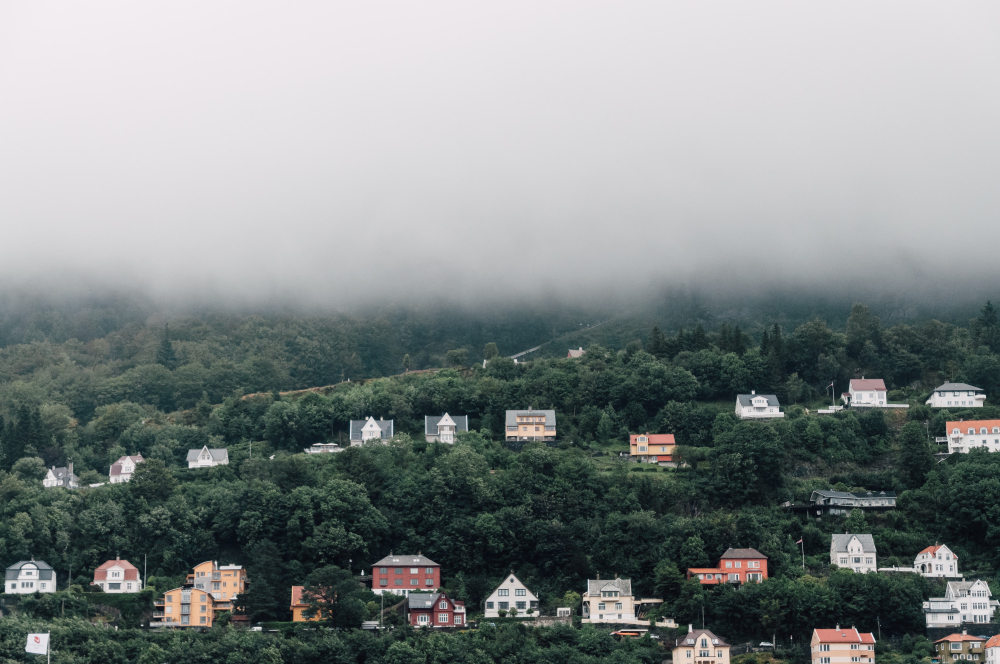 Mountain regions around the world are experiencing a fascinating evolution in their real estate dynamics. As remote work reshapes lifestyles, demographic shifts alter demand, and unique geographic factors influence prices, the concept of Mountain Housing has emerged as a significant trend in many emerging and secondary markets.
In this comprehensive article, we explore the key forces driving mountain housing trends, the economic and lifestyle factors behind them, the challenges and opportunities they present, and what the future may hold for buyers, investors, and communities alike.
Mountain regions around the world are experiencing a fascinating evolution in their real estate dynamics. As remote work reshapes lifestyles, demographic shifts alter demand, and unique geographic factors influence prices, the concept of Mountain Housing has emerged as a significant trend in many emerging and secondary markets.
In this comprehensive article, we explore the key forces driving mountain housing trends, the economic and lifestyle factors behind them, the challenges and opportunities they present, and what the future may hold for buyers, investors, and communities alike.