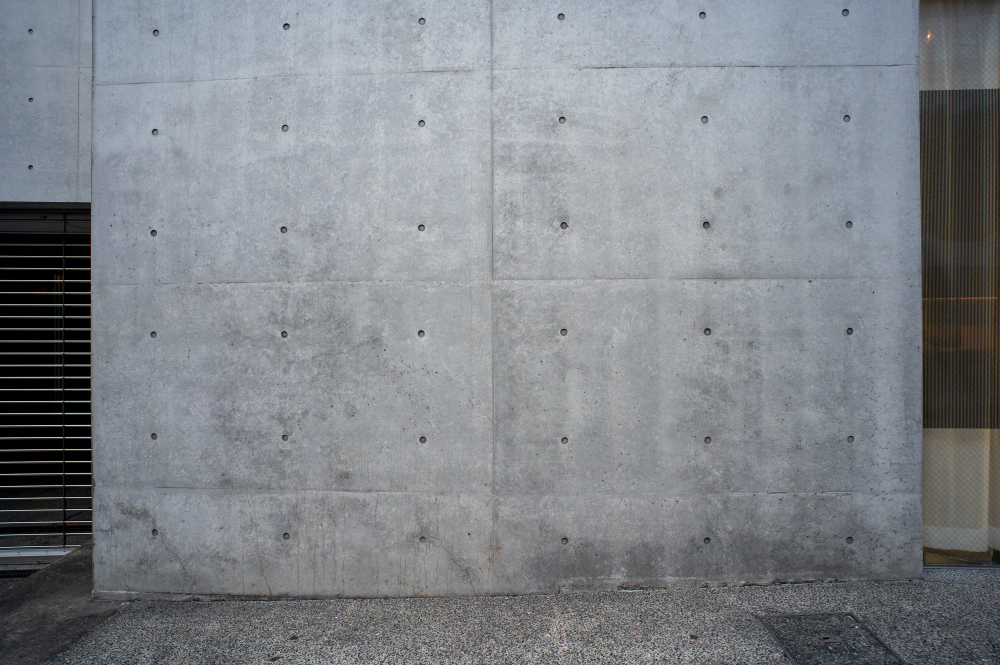
In today’s world of modern construction, the concrete wall has become an indispensable structural component across residential, commercial, and industrial buildings. While walls traditionally divide interior spaces or form exterior enclosures, the role of the concrete wall stretches far beyond mere separation — it shapes the strength, durability, safety, and performance of entire built environments. With escalating demands for high-rise structures, improved seismic resilience, energy efficiency, sustainability, and longevity, concrete wall systems are central to fulfilling these modern engineering requirements.
Understanding Concrete Wall Systems
A concrete wall refers to a vertical structural element made primarily from concrete, which may be cast in place, precast, reinforced with steel, or integrated into insulated systems. Unlike simple partition walls, concrete walls are engineered to bear loads, resist environmental forces, and form the backbone of a structure’s physical integrity. They are used both above and below the ground, creating essential divisions not only within buildings but also in retaining earth and providing key safety barriers.The versatility of concrete wall systems allows them to be tailored to a wide range of construction applications — from basements and foundations to exterior façades and interior shear walls, meeting a broad spectrum of functional and performance requirements.
Primary Structural Functions of Concrete Walls
1. Load Bearing and Transfer of Forces
One of the most fundamental roles of a concrete wall is to support and carry loads — whether from the floors above, roof systems, or other structural elements. As a load-bearing wall, a concrete wall transfers vertical and lateral forces down into the foundation. This ensures that the loads are distributed efficiently and safely to the ground, allowing multi-story buildings to stand with minimal deformation and risk of failure. Concrete walls designed for load bearing help eliminate the need for excessive columns or supporting beams in certain building types, optimizing usable space and providing clear, open interiors.
2. Lateral and Seismic Force Resistance
Beyond gravity loads, buildings must withstand lateral forces generated by wind, earthquakes, or other dynamic impacts. Concrete wall systems, particularly reinforced concrete wall designs, offer high stiffness and strength to resist these lateral loads, keeping the building stable and minimizing structural drift. Their continuity and rigidity contribute significantly to seismic resistance — a critical requirement, especially in earthquake-prone regions. Without adequate lateral resistance, structures risk catastrophic failure. A well-designed concrete wall absorbs and distributes these forces throughout the building frame, improving overall stability and occupant safety during extreme events.
Types of Concrete Walls and Their Structural Roles
Concrete wall systems are available in multiple forms, each serving specific structural and construction needs.
1. Cast-In-Place Concrete Walls
Cast-in-place concrete walls are poured and cured directly at the construction site using formwork. These walls are widely used for foundations, basements, shear walls, and retaining structures where high structural continuity is required. Since the concrete wall is formed as a single monolithic element, it offers excellent load transfer and reduced joint-related weaknesses. This method allows flexibility in design, enabling engineers to accommodate complex shapes, thickness variations, and reinforcement layouts based on site-specific conditions.
2. Precast Concrete Walls
Precast concrete walls are manufactured off-site in controlled environments and transported to the project location for installation. These concrete wall systems offer consistent quality, precise dimensions, and faster construction timelines. Key advantages of precast concrete walls include:
Faster construction and reduced project duration
Improved quality control and surface finish
Lower on-site labor requirements
Enhanced durability and structural reliability
Better integration with insulation and architectural finishes
Precast concrete walls can function as both load-bearing and non-load-bearing elements, depending on design intent.
3. Reinforced Concrete Walls
Concrete is inherently strong in compression but relatively weak in tension. Reinforced concrete wall systems use steel reinforcement bars or mesh to enhance tensile strength, allowing the concrete wall to resist bending, shear, and lateral forces effectively. Reinforced concrete walls are commonly used in high-rise buildings, industrial structures, and infrastructure projects where long-term structural performance and safety are critical.
Structural Advantages of Concrete Wall Systems
High Strength and Durability
A concrete wall offers exceptional compressive strength and, when reinforced, can handle significant tensile and shear forces. This strength enables buildings to withstand heavy loads, vibrations, and environmental stress over long periods. Durability is another defining advantage. Concrete walls resist rot, corrosion, termites, and weather-related deterioration, making them suitable for harsh climates and demanding structural conditions.
Fire Resistance
Fire safety is a major concern in building design. Concrete wall systems provide excellent fire resistance by slowing heat transfer and preventing rapid structural failure. In fire incidents, a concrete wall helps contain flames and smoke, improving evacuation time and protecting structural integrity.
Thermal and Acoustic Performance
Concrete walls possess high thermal mass, allowing them to absorb and store heat energy during the day and release it gradually. This property helps stabilize indoor temperatures, reducing reliance on artificial heating and cooling systems. Additionally, the density of a concrete wall provides effective sound insulation, minimizing noise transmission between interior spaces and from external sources.
Adaptability and Architectural Flexibility
Modern concrete wall systems are no longer limited to plain gray surfaces. They can be designed with textured finishes, exposed concrete aesthetics, integrated cladding, or decorative treatments. This adaptability allows concrete walls to serve both structural and architectural purposes without compromising performance.
Concrete Wall Systems and Construction Efficiency
Speed of Construction
The use of concrete wall systems, especially precast elements, can significantly reduce construction timelines. While foundation work progresses on-site, wall panels can be manufactured simultaneously, leading to faster assembly and earlier project completion.
Cost Effectiveness Over the Building Lifecycle
Although the initial cost of a concrete wall may be higher than lightweight alternatives, long-term costs often favor concrete. Reduced maintenance, extended service life, lower energy consumption, and improved structural reliability contribute to lower lifecycle expenses.
Quality Control and Safety Assurance
Factory-produced concrete wall elements undergo strict quality checks before delivery, ensuring uniform strength, dimensional accuracy, and compliance with design specifications. This level of quality control enhances structural safety and minimizes on-site construction errors.
Environmental and Sustainability Considerations
Concrete wall systems can contribute to sustainable construction when designed efficiently. Their thermal mass reduces energy consumption, and modern concrete mixes increasingly incorporate supplementary materials to reduce environmental impact. Concrete walls are also recyclable. At the end of a building’s life cycle, crushed concrete can be reused as aggregate for new construction, supporting circular construction practices.
Design Considerations for Structural Concrete Walls
When designing a concrete wall system, engineers must consider:
Load-bearing requirements and structural role
Lateral forces from wind and seismic activity
Exposure to moisture, chemicals, or aggressive environments
Fire rating and safety regulations
Thermal and acoustic performance goals
Each of these factors influences wall thickness, reinforcement detailing, construction method, and finishing approach.
Challenges and Practical Solutions
Despite their advantages, concrete wall systems present certain challenges:
High self-weight requiring proper lifting equipment
Environmental impact associated with cement production
Need for skilled workmanship during installation
These challenges can be addressed through optimized structural design, use of advanced concrete technologies, and careful construction planning to balance performance, cost, and sustainability.
In a nutshell
The structural importance of the concrete wall in construction is undeniable. From carrying vertical and lateral loads to enhancing fire resistance, thermal stability, and long-term durability, concrete wall systems form the backbone of modern buildings. Their adaptability allows them to meet diverse architectural and engineering demands while maintaining exceptional structural performance. As construction continues to evolve toward resilient, efficient, and sustainable solutions, the concrete wall will remain a critical component in shaping safe and long-lasting structures across residential, commercial, and infrastructure projects.
Subscribe to my channel on YouTube to gain access to a wealth of knowledge and expertise that can elevate your understanding of Real Estate, project management concepts, & Construction.
Related Articles: Construction

 In today’s world of modern construction, the concrete wall has become an indispensable structural component across residential, commercial, and industrial buildings. While walls traditionally divide interior spaces or form exterior enclosures, the role of the concrete wall stretches far beyond mere separation — it shapes the strength, durability, safety, and performance of entire built environments. With escalating demands for high-rise structures, improved seismic resilience, energy efficiency, sustainability, and longevity, concrete wall systems are central to fulfilling these modern engineering requirements.