Shuttering in building construction is one of the most critical stages in any concrete structure. From residential homes to commercial complexes and infrastructure projects, shuttering determines the final shape, strength, and finish of structural components. Without proper shuttering, concrete cannot hold its intended form, and structural integrity may be compromised.This complete guide explains shuttering in building construction in detail, covering its meaning, purpose, types, materials, process, and best practices. Whether you are a civil engineering student, contractor, or construction professional, understanding shuttering deeply helps ensure quality and safety on site.
What is Shuttering in Building Construction?
Shuttering in building construction refers to the temporary mould or framework into which fresh concrete is poured so that it can set and gain sufficient strength before supporting itself. Concrete in its wet state is fluid and heavy. It needs a rigid boundary to maintain the designed dimensions and alignment.Once the concrete achieves adequate strength through curing, the shuttering is removed carefully without disturbing the structural member. The quality of shuttering directly affects the surface finish, dimensional accuracy, and overall durability of the structure.
Why Shuttering is Essential in Construction
Shuttering in building construction plays a major role in structural stability and finish quality. Its importance can be understood through the following key functions:
1. Provides Shape and Form
Shuttering ensures that slabs, beams, columns, walls, and foundations are cast exactly as per structural drawings.
2. Supports Wet Concrete
Fresh concrete exerts significant lateral and vertical pressure. Shuttering resists this pressure until the concrete gains strength.
3. Ensures Dimensional Accuracy
Proper alignment of shuttering prevents structural deviations, uneven surfaces, and misaligned members.
4. Improves Surface Finish
Well-installed shuttering produces smooth finishes, reducing plastering and corrective work.
5. Enhances Site Safety
Strong shuttering systems reduce the risk of collapse during concrete pouring.
Difference Between Shuttering and Formwork
Although the terms are often used interchangeably, technically there is a slight difference.Formwork is the complete system that includes mould surfaces, supports, braces, ties, and accessories used to shape concrete. Shuttering generally refers to the vertical mould panels that directly shape walls and columns.In practical construction scenarios, shuttering in building construction commonly represents the entire temporary mould system.
Main Components of Shuttering Systems
A shuttering setup consists of multiple components working together to maintain stability during casting.
Panels
Panels are the surface materials that directly contact the concrete. They can be made from timber, plywood, steel, aluminium, or plastic.
Props and Supports
Vertical props and horizontal supports hold the panels in place and bear the weight of wet concrete.
Bracing
Bracing prevents lateral movement and maintains structural alignment.
Ties and Anchors
These components connect opposite shuttering panels and prevent bulging due to lateral concrete pressure.
Clamps and Fasteners
They secure different elements together to ensure rigidity.Each of these components plays a critical role in ensuring the efficiency of shuttering in building construction.
Materials Used for Shuttering in Building Construction
Selecting the correct material affects cost, durability, and reusability.
Timber Shuttering
Timber is one of the oldest materials used in shuttering. It is easy to cut and assemble on site, making it suitable for small projects.Advantages: • Low initial cost • Easy to fabricate • Suitable for irregular shapesDisadvantages: • Limited reuse cycles • Susceptible to moisture damage • Requires skilled carpentry
Plywood Shuttering
Plywood is widely used due to its smooth finish and lightweight nature. It is often treated to resist moisture.Advantages: • Smooth surface finish • Lightweight • Easy to handleDisadvantages: • Limited durability compared to metal • May warp if exposed to water repeatedly
Steel Shuttering
Steel shuttering is durable and ideal for large projects requiring repeated use.Advantages: • High strength • Long life span • Excellent finishDisadvantages: • Heavy • Higher initial cost
Aluminium Shuttering
Aluminium systems are lighter than steel and commonly used in high-rise projects for faster construction cycles.Advantages: • Lightweight • Easy assembly • Suitable for repetitive structuresDisadvantages: • Expensive • Less resistant to rough handling
Plastic and Composite Shuttering
These modern materials are lightweight and reusable, especially in modular construction.Advantages: • Easy cleaning • Weather resistant • LightweightDisadvantages: • Lower load capacity compared to steelThe choice of material depends on project size, repetition level, budget, and required finish quality.
Types of Shuttering Based on Structural Elements
Shuttering in building construction is categorized according to the structural element being cast.
Column Shuttering
Used for vertical reinforced concrete columns. It must resist high lateral pressure from fresh concrete.
Beam Shuttering
Supports horizontal beams. It requires strong bottom support and side panels.
Slab Shuttering
Used for casting flat surfaces like floors and roofs. It involves horizontal panels supported by props.
Wall Shuttering
Used for retaining walls and shear walls. It must be strong enough to withstand high concrete pressure.
Foundation Shuttering
Used for footings and base structures to ensure proper shape and depth.Each type requires specific alignment and support systems.
Step-by-Step Process of Shuttering in Building Construction
A systematic process ensures efficiency and safety.
1. Planning and Layout
Verify structural drawings and dimensions before installation.
2. Material Inspection
Check panels and supports for defects, cracks, or damage.
3. Assembly
Fix panels in position and secure them using clamps and ties.
4. Alignment and Leveling
Ensure proper vertical and horizontal alignment using measuring tools.
5. Application of Release Agent
Apply shuttering oil to prevent concrete from sticking to panels.
6. Reinforcement Placement
Place steel reinforcement bars as per design before pouring concrete.
7. Concrete Pouring
Pour concrete gradually to avoid excessive pressure buildup.
8. Vibration and Compaction
Compact concrete using vibrators to eliminate air voids.
9. Curing and Removal
Remove shuttering carefully after the concrete achieves required strength.Proper timing of removal is essential to avoid structural damage.
Best Practices for Effective Shuttering
Following best practices improves quality and longevity.
Ensure joints are tight to prevent concrete leakage
Use adequate bracing to resist lateral pressure
Maintain proper spacing of props
Inspect shuttering before each use
Follow safety guidelines during dismantling
Adhering to these practices enhances overall construction efficiency.
Common Problems in Shuttering and Solutions
Even well-planned shuttering in building construction may face challenges.
Concrete Leakage
Cause: Improper joint sealing Solution: Use tight fittings and sealants
Bulging of Panels
Cause: Insufficient support Solution: Increase bracing and prop density
Honeycombing
Cause: Poor compaction Solution: Use proper vibration techniques
Misalignment
Cause: Inaccurate installation Solution: Check alignment using leveling instrumentsTimely inspection helps minimize these issues.
Cost Factors in Shuttering
The cost of shuttering in building construction depends on:
Type of material used
Reusability cycles
Labor cost
Project size
Complexity of structure
Although steel and aluminium systems have higher initial costs, their long-term reuse makes them economical for large projects.
Importance of Safety in Shuttering Operations
Safety is a top priority during shuttering installation and removal.Workers must:
Wear protective equipment
Avoid premature removal
Ensure stable working platforms
Inspect supports regularly
Failure in shuttering can lead to severe structural accidents. Therefore, strict safety supervision is necessary.
Future Trends in Shuttering Technology
Modern construction is moving towards system formwork and modular shuttering. Aluminium formwork systems and prefabricated panels allow faster construction cycles and improved consistency.Automation, better materials, and reusable modular systems are shaping the future of shuttering in building construction.
Conclusion
Shuttering in building construction is not just a temporary moulding system; it is a crucial structural support mechanism that defines the accuracy, strength, and finish of concrete elements. From material selection to installation techniques, every step plays a role in determining project quality.Understanding different types of shuttering, their materials, components, and best practices allows construction professionals to improve efficiency and reduce costly errors. As construction technology advances, modern shuttering systems are becoming more durable, reusable, and time-efficient.Mastering shuttering in building construction ensures safer structures, better finishes, and long-term durability. Whether you are managing a residential building or a large commercial project, effective shuttering remains the backbone of successful concrete construction.Subscribe to my channel on YouTube to gain access to a wealth of knowledge and expertise that can elevate your understanding of Real Estate, project management concepts, & Construction.
Related Articles: Construction

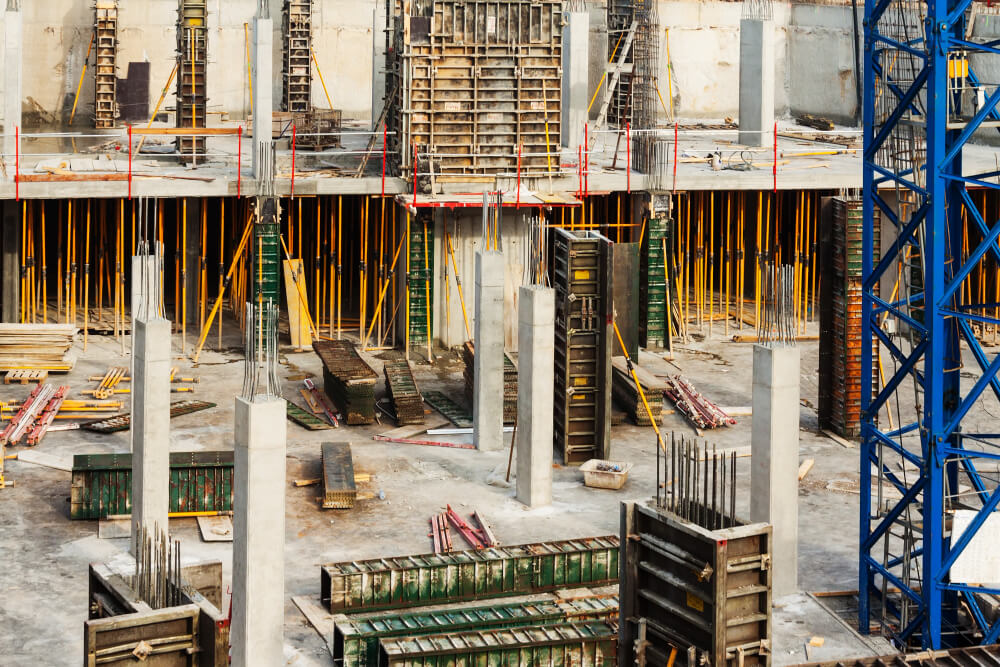 Shuttering in building construction is one of the most critical stages in any concrete structure. From residential homes to commercial complexes and infrastructure projects, shuttering determines the final shape, strength, and finish of structural components. Without proper shuttering, concrete cannot hold its intended form, and structural integrity may be compromised.
This complete guide explains shuttering in building construction in detail, covering its meaning, purpose, types, materials, process, and best practices. Whether you are a civil engineering student, contractor, or construction professional, understanding shuttering deeply helps ensure quality and safety on site.
Shuttering in building construction is one of the most critical stages in any concrete structure. From residential homes to commercial complexes and infrastructure projects, shuttering determines the final shape, strength, and finish of structural components. Without proper shuttering, concrete cannot hold its intended form, and structural integrity may be compromised.
This complete guide explains shuttering in building construction in detail, covering its meaning, purpose, types, materials, process, and best practices. Whether you are a civil engineering student, contractor, or construction professional, understanding shuttering deeply helps ensure quality and safety on site.