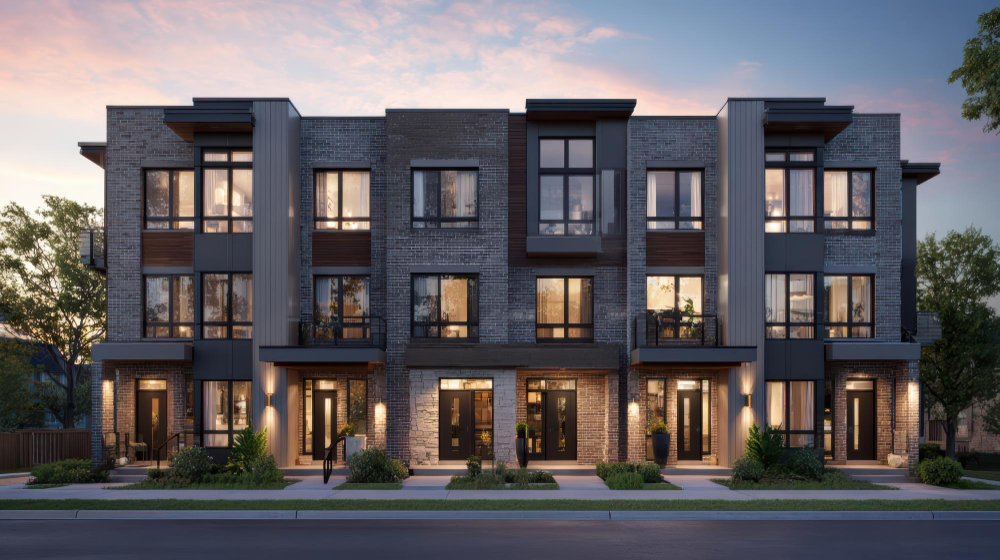
Buying your first property is one of the most important financial decisions you will ever make. For many first-time buyers, choosing the right type of property can feel confusing because the market offers multiple options such as apartments, villas, independent houses, and townhouse developments. Among these options, the townhouse has become increasingly popular in urban areas due to its balance between affordability, space, and community living.
A townhouse offers a practical housing solution for buyers who want more privacy than an apartment but cannot afford or maintain a large independent house. With rapid urbanization and rising property prices in many cities, townhouse projects are becoming common in planned residential communities.
This guide explains everything a first-time buyer should know about a townhouse, including its features, benefits, ownership structure, and things to consider before purchasing one.
Understanding the Concept of a Townhouse
A townhouse is a residential property that shares one or more walls with adjacent homes but has its own separate entrance. These homes are usually built in rows or blocks within a residential development.
Unlike apartments, which are stacked vertically in a building, a townhouse is typically spread across two or three floors. Each unit is individually owned and functions like a private house while still being part of a larger community.
Historically, townhouse developments originated in European cities where space inside city centers was limited. Over time, the concept spread globally and is now widely used in modern urban planning.
In most developments, a townhouse combines the advantages of both an apartment and an independent house.
Key Characteristics of a Townhouse
A townhouse has several distinct features that differentiate it from other housing options.
Some common characteristics include:
- Multiple floors within a single unit
- Shared side walls with neighboring homes
- Individual entrance from the street or internal community road
- Small private outdoor space such as a patio, terrace, or backyard
- Located in planned residential complexes or gated communities
- Usually part of a homeowners association or community management system
These features make a townhouse attractive for families who want more living space without the high cost of a detached home.
Typical Layout of a Townhouse
The internal layout of a townhouse is designed to maximize vertical space. Because land is expensive in urban areas, builders construct homes upward rather than outward.
A typical townhouse layout may look like this:
Ground Floor
• Living room
• Kitchen
• Dining area
• Guest washroom
• Small backyard or garden space
First Floor
• Master bedroom
• Additional bedroom
• Attached or shared bathrooms
Second Floor (in some developments)
• Extra bedroom or study room
• Terrace or balcony
• Utility space
This multi-level structure makes a townhouse feel spacious even if the plot size is relatively small.
How a Townhouse Is Different from an Apartment
Structure and Design
– A townhouse is built horizontally in a row with shared side walls, while apartments are stacked vertically in a multi-storey building.
Private Entrance
– A townhouse usually has its own private entrance directly from the street or internal road, whereas apartment residents share common entrances, corridors, and elevators.
Living Space
– A townhouse generally offers more internal living space because it is spread across multiple floors. Apartments are typically single-floor units.
Outdoor Space
– Many townhouse units include small private outdoor areas such as a backyard, terrace, balcony, or patio. Apartments usually offer only balconies.
Noise Levels
– In apartments, noise may come from units above and below. In a townhouse, neighbors are usually only on the sides, which can reduce disturbance.
Ownership Structure
– Apartment owners usually own only the interior of their unit while the building structure is shared. In many townhouse developments, owners may also have partial ownership of the land or plot.
Community Facilities
– Both may offer shared amenities like security, gardens, or gyms, but townhouse communities typically feel more like residential neighborhoods rather than apartment complexes.
Townhouse vs Independent House
Land Ownership
– An independent house sits on a private plot of land fully owned by the homeowner, while a townhouse is typically part of a larger development where land ownership may be shared or limited.
Shared Walls
– A townhouse shares one or two walls with neighboring homes. An independent house stands alone without touching any other structure.
Cost Difference
– Independent houses usually cost significantly more because they require larger land parcels. A townhouse is generally more affordable.
Maintenance Responsibility
– Owners of independent houses must handle all maintenance tasks themselves, including exterior repairs and landscaping. Townhouse owners often share some maintenance responsibilities through community management.
Community Layout
– Townhouses are often located in planned communities with uniform designs and shared infrastructure. Independent houses may be located in individual plots or standalone residential areas.
Privacy Level
– Independent houses offer the highest level of privacy. A townhouse still provides good privacy but slightly less due to shared walls.
Amenities Access
– Townhouse developments frequently include shared facilities such as parks, clubhouses, or security services, which independent houses may not have unless located in gated communities.
Advantages of Buying a Townhouse
More Affordable Than Villas
– A townhouse typically costs less than a villa or independent house because the land is shared across multiple units.
Efficient Use of Space
– The vertical design allows developers to create spacious homes even on smaller plots.
Better Privacy Compared to Apartments
– Having a private entrance and fewer shared walls improves privacy and comfort.
Family-Friendly Layout
– Multiple floors provide separate spaces for bedrooms, living areas, and workspaces, making it ideal for families.
Access to Community Amenities
– Many townhouse communities offer shared facilities such as parks, security, swimming pools, and recreational spaces.
Lower Maintenance Burden
– Exterior maintenance and landscaping in common areas are often managed by community associations.
Strong Resale Demand
– As urban populations grow, many buyers prefer townhouse properties because they offer more space than apartments at a relatively moderate cost.
Potential Disadvantages of a Townhouse
Shared Walls with Neighbors
– Living next to other homes means there may occasionally be noise transfer through shared walls.
Limited Plot Size
– Compared to independent houses, townhouse units usually have smaller outdoor areas.
Homeowners Association Rules
– Many townhouse communities have regulations regarding exterior modifications, parking, and property appearance.
Maintenance Fees
– Owners often need to pay monthly or yearly maintenance charges for community facilities and services.
Limited Customization
– Because townhouses are part of planned developments, making structural changes may require approval from the community management.
Parking Constraints
– Some developments may provide limited parking space depending on the layout of the project.
Things First-Time Buyers Should Check Before Buying a Townhouse
Project Location
– Evaluate the distance to workplaces, schools, hospitals, and public transportation.
Infrastructure Development
– Check whether future infrastructure projects such as roads, metro lines, or commercial hubs are planned nearby.
Developer Track Record
– Research the builder’s reputation, previous projects, construction quality, and delivery timelines.
Legal Approvals
– Verify that the project has all required approvals such as land titles, building permissions, and occupancy certificates.
Property Layout and Size
– Ensure the townhouse design suits your family’s lifestyle and space requirements.
Maintenance Structure
– Understand the maintenance charges and what services they cover.
Parking Availability
– Confirm the number of parking spaces allocated to the townhouse unit.
Community Facilities
– Check whether promised amenities such as security, parks, or clubhouses are already functional
Resale and Rental Potential
– Consider whether the location and property type will attract future buyers or tenants.
Who Should Consider Buying a Townhouse
First-Time Property Buyers
– Buyers looking for a step up from apartment living without the cost of a villa.
Young Families
– Families that require multiple bedrooms and larger living areas.
Working Professionals
– Professionals seeking comfortable homes near growing urban centers.
Buyers Seeking Community Living
– People who value security, shared amenities, and neighborhood environments.
Property Investors
– Investors targeting rental income from families who prefer larger homes.
Buyers Looking for Balanced Lifestyle
– Individuals who want privacy like a house but still prefer the convenience of managed communities.
Future Trends in Townhouse Developments
Smart Home Integration
– Many new townhouse projects include smart lighting, security systems, and home automation features.
Sustainable Construction
– Developers are increasingly using energy-efficient materials and eco-friendly construction methods.
Green Community Design
– Landscaping, walking trails, and open spaces are becoming important parts of townhouse developments.
Electric Vehicle Infrastructure
– Charging stations for electric vehicles are being included in modern residential communities.
Work-From-Home Spaces
– Townhouse layouts are evolving to include dedicated home offices or flexible work areas.
Integrated Lifestyle Communities
– Future townhouse projects may include retail spaces, schools, and healthcare facilities within the same development.
Summary
A townhouse represents a unique housing option that blends the advantages of apartment living and independent houses. It provides greater privacy, more living space, and access to community amenities while remaining more affordable than large standalone homes.
For first-time property buyers, a townhouse can be a practical entry into real estate ownership. It allows families to enjoy multi-level living, private entrances, and a sense of neighborhood community without the heavy maintenance responsibilities of a large house.
However, buyers should carefully evaluate factors such as location, developer reputation, maintenance charges, and legal documentation before making a purchase decision.
With thoughtful planning and proper research, buying a townhouse can be a smart step toward long-term financial security and comfortable living. As urban housing continues to evolve, townhouse communities are likely to remain a popular choice for both homeowners and investors looking for a balanced, modern lifestyle.
Subscribe to my channel on YouTube to gain access to a wealth of knowledge and expertise that can elevate your understanding of Real Estate, project management concepts, & Construction.
Related Articles:
Real Estate