
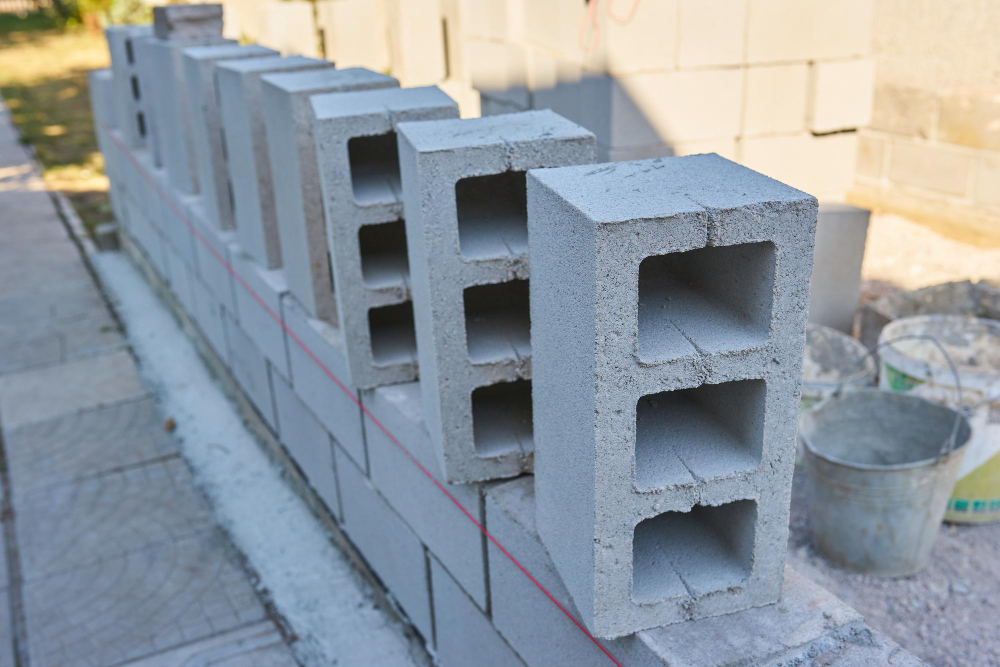
Choosing the right building material is one of the most important decisions in any construction project. Among the most debated options today are cement bricks and red bricks. Both have been widely used across residential and commercial construction, but modern requirements—like durability, speed, cost-efficiency, and sustainability—have shifted preferences significantly.
If you’re planning a construction project or creating content around this topic, understanding the real differences between cement bricks and red bricks will help you make a smarter, more practical choice.
What Are Cement Bricks?

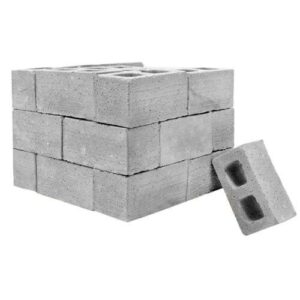
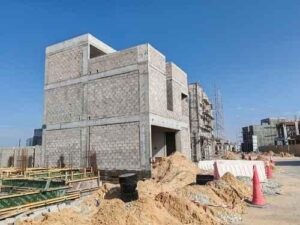
Cement bricks, also known as concrete bricks or fly ash bricks, are manufactured using a mix of cement, sand, fly ash, and water. These bricks are molded under pressure and cured to achieve strength.
Key characteristics:
- Uniform size and shape
- Smooth finish
- High compressive strength
- Manufactured in controlled environments
Cement bricks are increasingly preferred in modern construction due to their consistency and performance.
What Are Red Bricks?
Red bricks are traditional clay bricks made from natural soil and fired in kilns. They have been used for centuries in construction.


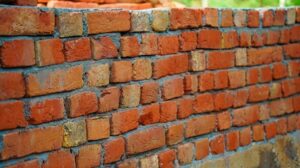
Key characteristics:
- Made from natural clay
- Uneven shape and size
- Rough texture
- Variable strength depending on quality
While red bricks are still widely used, their limitations are becoming more visible in modern construction practices.
Key Differences Between Cement Bricks and Red Bricks
Let’s break down the comparison in a practical, decision-making format.
-
Strength and Durability
Cement bricks generally offer higher compressive strength compared to red bricks. This makes them more suitable for load-bearing structures and multi-storey buildings.
Red bricks, on the other hand, can vary in strength depending on soil quality and firing process. Inconsistent batches can lead to structural concerns.
Verdict: Cement bricks are stronger and more reliable.
-
Water Absorption
Cement bricks absorb less water, which reduces the chances of dampness and seepage in walls.
Red bricks have higher water absorption rates, which can lead to:
- Wall dampness
- Plaster damage
- Long-term maintenance issues
Verdict: Cement bricks perform better in moisture resistance.
-
Size Uniformity and Finish
Cement bricks are machine-made, so they are uniform in size and shape. This results in:
- Better alignment
- Less mortar usage
- Faster construction
Red bricks are often uneven, which leads to:
- Higher mortar consumption
- More plastering work
- Increased labor time
Verdict: Cement bricks improve construction efficiency.
-
Cost Comparison
At first glance, red bricks may appear cheaper per unit. However, the overall cost tells a different story.
With red bricks:
- More mortar is required
- Labor cost increases
- Plastering cost is higher
Cement bricks:
- Reduce mortar usage
- Require less plaster
- Save labor time
Verdict: Cement bricks are more cost-effective in the long run.
-
Construction Speed
Modern projects demand faster completion timelines.
Cement bricks allow:
- Faster laying
- Reduced adjustments
- Quicker finishing
Red bricks slow down construction due to uneven shapes and frequent alignment corrections.
Verdict: Cement bricks help complete projects faster.
-
Environmental Impact
Cement bricks, especially fly ash bricks, are considered more eco-friendly.
Why?
- Utilize industrial waste (fly ash)
- Reduce soil depletion
- Lower carbon footprint
Red bricks require:
- Large amounts of topsoil
- High energy for kiln firing
- Contribution to environmental degradation
Verdict: Cement bricks are more sustainable.
-
Load on Structure
Cement bricks are generally lighter compared to traditional red bricks.
This results in:
- Reduced structural load
- Lower foundation cost
- Better performance in high-rise buildings
Verdict: Cement bricks are better for modern structural design.
-
Thermal Insulation
Red bricks naturally offer better thermal insulation due to their porous nature.
Cement bricks may require additional insulation in extreme climates.
Verdict: Red bricks have a slight edge in thermal comfort.
-
Availability and Consistency
Cement bricks are manufactured in factories, ensuring consistent quality.
Red bricks depend on local kilns, and quality can vary significantly.
Verdict: Cement bricks offer more predictable performance.
Where Cement Bricks Are a Better Choice
Cement bricks are ideal for:
- High-rise buildings
- Commercial projects
- Urban construction
- Projects with tight timelines
- Areas with moisture issues
They align well with modern construction needs where precision and speed matter.
Where Red Bricks Still Make Sense
Despite their limitations, red bricks are still useful in certain cases:
- Low-rise residential buildings
- Rural construction
- Projects focusing on traditional aesthetics
- Areas where thermal insulation is a priority
They can still be a practical choice when cost is extremely constrained and labor is easily available.
Common Myths About Cement Bricks
Let’s clear a few misconceptions:
- “Cement bricks are weaker” → Incorrect. They are often stronger than red bricks.
- “They are more expensive” → Only in unit price, not overall cost.
- “They don’t last long” → Properly manufactured cement bricks have excellent durability.
Understanding these myths helps in making a logical decision.
Practical Decision Framework
If you’re still unsure, use this quick approach:
Choose cement bricks if:
- You want faster construction
- You need consistent quality
- You are building in urban areas
- You want lower long-term costs
Choose red bricks if:
- You prefer traditional construction
- You are building a small house
- You need better natural insulation
- Budget constraints are very tight
Future of Brick Usage in Construction
The construction industry is clearly shifting toward engineered materials. Cement bricks and fly ash bricks are gaining popularity due to:
- Government support for sustainable materials
- Increasing labor costs
- Demand for faster project delivery
- Better quality control
Red bricks, while still relevant, are gradually being replaced in large-scale modern projects.
Conclusion
The comparison between cement bricks and red bricks ultimately comes down to your project requirements. If you are focused on strength, speed, cost-efficiency, and sustainability, cement bricks clearly emerge as the better choice for modern construction.
However, red bricks still hold value in specific scenarios, especially where traditional aesthetics or thermal comfort is prioritized.
For most urban and large-scale projects today, cement bricks are not just an alternative—they are becoming the standard. Making the right choice at the beginning can save significant time, cost, and effort throughout the lifecycle of your construction project.
Subscribe to my channel on YouTube to gain access to a wealth of knowledge and expertise that can elevate your understanding of Real Estate, project management concepts, & Construction.
Related Articles: Construction