
The construction industry has evolved significantly over the past decade, with projects becoming larger, more complex, and increasingly dependent on technology. Modern contractors are expected to manage multiple projects simultaneously while maintaining strict budgets, meeting tight deadlines, ensuring worker safety, and delivering high-quality results. Relying solely on spreadsheets, paperwork, phone calls, and manual reporting is no longer sufficient to handle these growing demands.
This is where Construction and project management software has become an indispensable tool for contractors. It provides a centralized digital platform to plan, monitor, and manage every aspect of a construction project, from scheduling and budgeting to document management and team collaboration. By streamlining workflows and improving visibility into project performance, Construction and project management software enables contractors to make informed decisions and deliver projects more efficiently.
Whether managing residential developments, commercial buildings, infrastructure projects, or industrial facilities, contractors who leverage Construction and project management software gain a significant competitive advantage. This guide explores why this technology has become essential for modern construction businesses.
What Is Construction and Project Management Software?
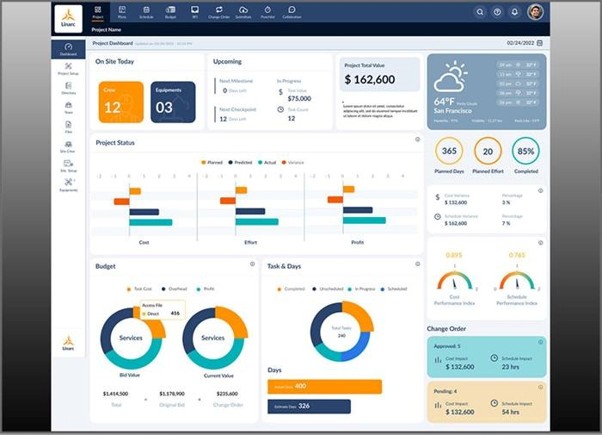
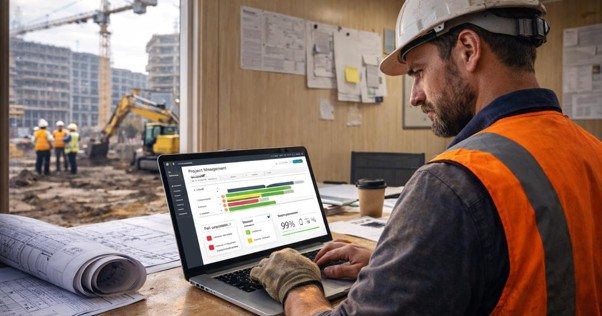
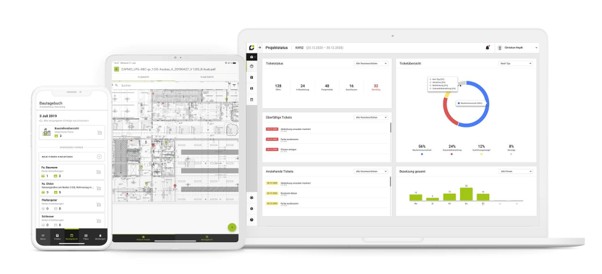
Construction and project management software is a digital solution designed to help contractors plan, organize, execute, monitor, and control construction projects.
The software combines multiple project management functions into a single platform, including:
- Project scheduling
- Budget management
- Resource planning
- Document control
- Task management
- Communication tools
- Progress tracking
- Reporting and analytics
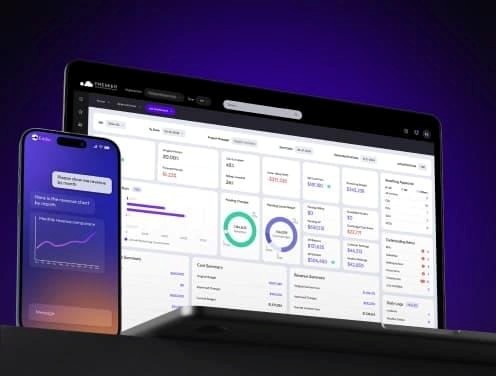
Instead of managing these activities through separate systems, contractors can oversee their entire project from one centralized dashboard.
Why Modern Contractors Need Construction and Project Management Software
Construction projects involve numerous stakeholders, changing site conditions, and thousands of individual activities.
Without an organized digital system, contractors may face:
- Schedule delays
- Budget overruns
- Poor communication
- Resource conflicts
- Documentation errors
- Reduced productivity
Construction and project management software helps contractors manage these challenges through better planning, coordination, and real-time project visibility.
As projects continue to increase in scale and complexity, adopting Construction and project management software is becoming a necessity rather than a luxury.
Improves Project Planning
Successful construction projects begin with proper planning.
Construction and project management software allows contractors to develop detailed project plans by organizing:
- Project scope
- Activities
- Timelines
- Milestones
- Deliverables
- Dependencies
This structured planning process helps ensure that every team member understands project objectives and responsibilities.
Well-planned projects experience fewer delays and greater operational efficiency.
Enhances Scheduling and Time Management
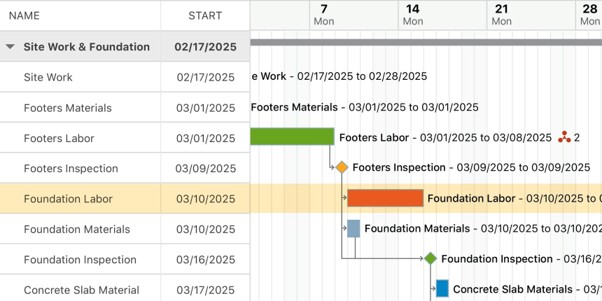
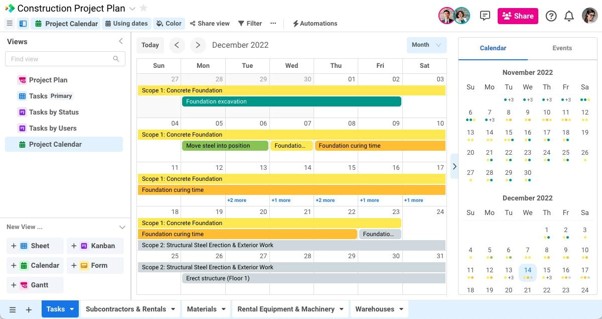
Time management is one of the most critical aspects of construction.
Construction and project management software enables contractors to create realistic schedules that account for:
- Activity durations
- Task dependencies
- Resource availability
- Project milestones
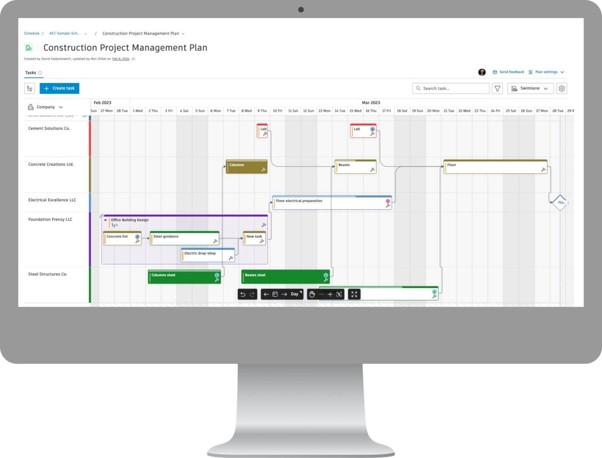
The software automatically updates schedules when changes occur, allowing contractors to respond quickly to unexpected situations.
Benefits include:
- Better deadline management
- Reduced project delays
- Improved coordination
- Faster project delivery
Accurate scheduling contributes directly to overall project success.
Supports Better Resource Management
Construction projects require careful management of:
- Labor
- Equipment
- Materials
- Subcontractors
Construction and project management software helps contractors allocate resources efficiently across multiple projects.
Advantages include:
- Improved workforce utilization
- Reduced equipment downtime
- Better material planning
- Enhanced productivity
By tracking resource availability in real time, contractors can avoid shortages and minimize unnecessary costs.
Strengthens Budget Control
Cost management is a major responsibility for every contractor.
Construction and project management software provides tools for:
- Budget preparation
- Cost tracking
- Expense monitoring
- Financial forecasting
Contractors can compare planned budgets with actual expenditures and quickly identify potential cost overruns.
This proactive approach improves:
- Financial control
- Cash flow management
- Profitability
- Client confidence
Better cost visibility helps contractors make informed financial decisions throughout the project lifecycle.
Improves Communication and Collaboration


Construction projects involve multiple stakeholders, including:
- Clients
- Architects
- Engineers
- Consultants
- Suppliers
- Subcontractors
Poor communication often leads to misunderstandings, delays, and costly mistakes.
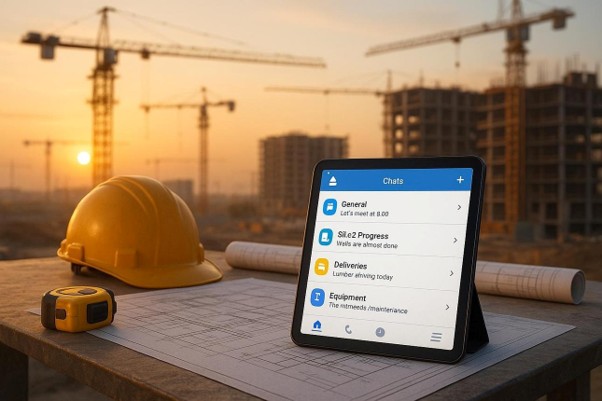
Construction and project management software centralizes communication by providing:
- Shared project updates
- Instant messaging
- Task notifications
- Document sharing
Everyone works with the latest project information, reducing confusion and improving collaboration.
Simplifies Document Management
Construction projects generate a large volume of documents.
Examples include:
- Drawings
- Contracts
- Permits
- Inspection reports
- RFIs (Requests for Information)
- Change orders
Construction and project management software stores these documents in a secure centralized location.
Benefits include:
- Easy document retrieval
- Version control
- Reduced paperwork
- Better organization
Digital document management helps prevent errors caused by outdated or misplaced files.
Provides Real-Time Project Monitoring
Real-time visibility is one of the biggest advantages of Construction and project management software.
Project managers can monitor:
- Work progress
- Schedule status
- Resource utilization
- Budget performance
- Task completion
Live project data allows contractors to identify problems early and take corrective action before they escalate.
This improves overall project control and reduces risks.
Supports Risk Management
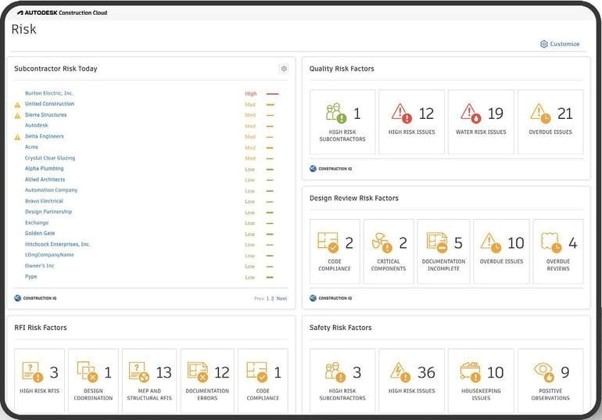
Construction projects face numerous risks, including:
- Weather delays
- Material shortages
- Equipment failures
- Labor availability
- Design modifications
Construction and project management software helps contractors:
- Identify risks
- Monitor project performance
- Track schedule deviations
- Plan mitigation strategies
Early identification of risks allows teams to respond proactively rather than reactively.
This strengthens overall project resilience.
Enhances Quality Control
Maintaining quality standards is essential for project success.
Construction and project management software supports quality management by helping contractors:
- Schedule inspections
- Track quality issues
- Monitor corrective actions
- Maintain compliance records
Quality-related documentation remains easily accessible throughout the project.
Improved quality management reduces rework and increases client satisfaction.
Improves Construction Site Safety
Worker safety is a top priority for contractors.
Construction and project management software helps improve safety through:
- Digital safety checklists
- Incident reporting
- Inspection scheduling
- Compliance monitoring
- Safety documentation
Project managers can monitor safety performance more effectively and ensure that regulatory requirements are met.
Improved safety contributes to better project outcomes and reduced liabilities.
Facilitates Change Management
Changes are common in construction projects.
These may include:
- Design revisions
- Scope changes
- Client requests
- Material substitutions
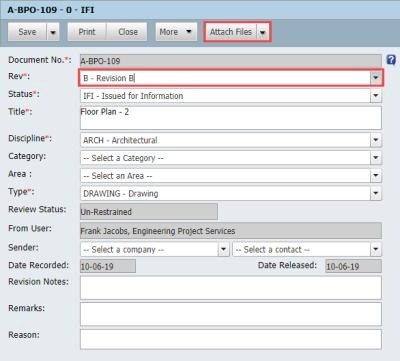
Construction and project management software helps contractors manage changes systematically by:
- Recording change requests
- Tracking approvals
- Updating schedules
- Monitoring budget impacts
Structured change management reduces confusion and keeps projects under control.
Improves Decision-Making Through Data
Modern construction generates large amounts of project data.
Construction and project management software transforms this information into useful insights through:
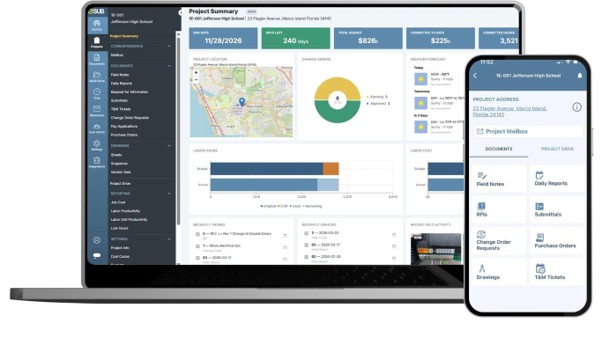
- Dashboards
- Performance reports
- Cost analysis
- Productivity metrics
These insights enable contractors to make better decisions based on real-time information rather than assumptions.
Data-driven decision-making improves efficiency and project performance.
Supports Multi-Project Management
Many contractors handle several projects simultaneously.
Construction and project management software enables organizations to manage multiple projects from a single platform.
Benefits include:
- Portfolio visibility
- Resource sharing
- Centralized reporting
- Standardized processes
This improves operational efficiency while reducing administrative workload.
Cloud-Based Accessibility
Many modern Construction and project management software solutions are cloud-based.
This allows users to:
- Access project information anywhere
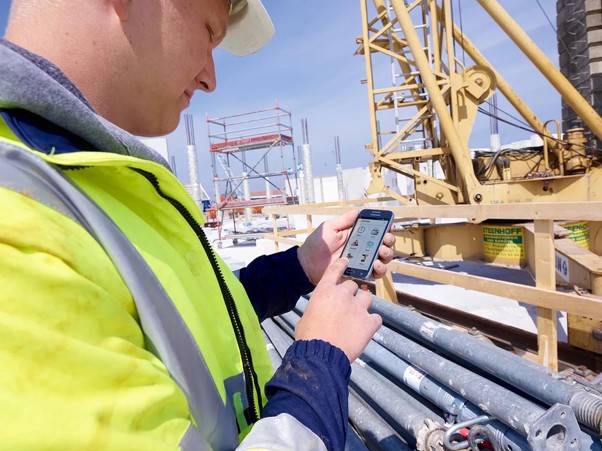
- Update progress from the construction site
- Share information instantly
- Collaborate remotely
Cloud accessibility improves flexibility and supports faster decision-making.
Field teams and office staff remain connected throughout the project.
Common Features of Construction and Project Management Software
Most Construction and project management software platforms include features such as:
- Project scheduling
- Budget management
- Resource allocation
- Document management
- Progress tracking
- Reporting dashboards
- Mobile access
- Collaboration tools
- Risk management
- Quality management
These integrated features help contractors manage projects more efficiently from start to finish.
Future of Construction and Project Management Software
The future of Construction and project management software continues to evolve through technological innovation.
Emerging developments include:
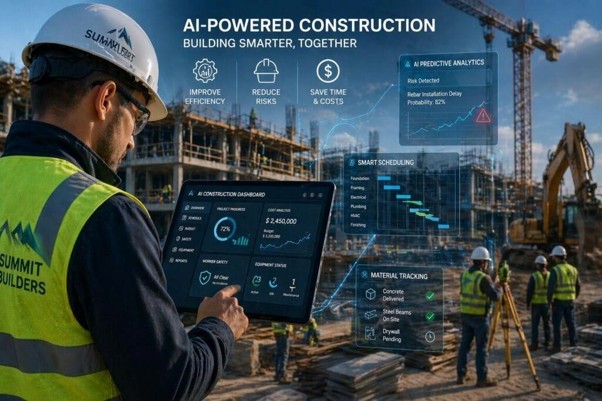
- Artificial intelligence for predictive scheduling
- Building Information Modeling (BIM) integration
- Machine learning for risk analysis
- Internet of Things (IoT) connectivity
- Digital twins
- Advanced analytics and automation
These technologies will enable contractors to manage projects with even greater accuracy, efficiency, and productivity.
Summary
Construction and project management software has become an essential tool for modern contractors seeking to improve efficiency, reduce risks, and deliver successful projects. By integrating project planning, scheduling, budgeting, communication, document management, and performance monitoring into a single platform, it provides contractors with the visibility and control needed to manage increasingly complex construction projects.
From improving collaboration and resource utilization to strengthening quality control and safety management, Construction and project management software supports every phase of the construction lifecycle. It empowers contractors to make informed decisions, respond quickly to changing conditions, and maintain better control over project outcomes.