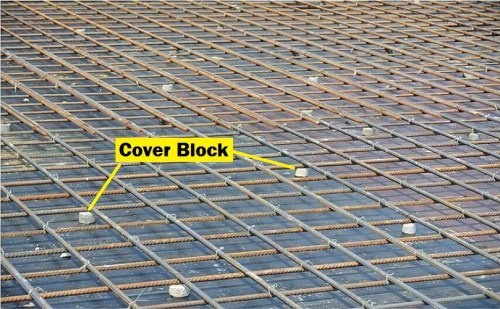
Reinforced concrete is the backbone of modern construction, providing strength, durability, and structural integrity to buildings and infrastructure. However, the performance of reinforced concrete depends not only on the quality of materials used but also on how well the reinforcement is protected within the structure. One critical yet often underestimated component that ensures this protection is the Concrete Cover Block.
A Concrete Cover Block plays a vital role in maintaining the correct spacing between reinforcement bars and the outer surface of concrete. While it may appear to be a small and simple element, its contribution to the longevity and safety of a structure is immense. Without proper use of a Concrete Cover Block, even the strongest construction can face premature deterioration.
This article explores in depth why a Concrete Cover Block is essential for reinforcement protection, its functions, benefits, and its impact on structural performance.
What is a Concrete Cover Block?
A Concrete Cover Block is a small spacer made of concrete or similar material, placed between reinforcement bars and formwork to maintain a specified distance known as the concrete cover. This ensures that reinforcement bars are properly embedded within the concrete structure.
In reinforced concrete construction, maintaining the correct cover is crucial because it directly influences durability, strength, and resistance to environmental factors. The Concrete Cover Block ensures that this spacing remains uniform and consistent throughout the structure.
Importance of Maintaining Concrete Cover
Concrete cover is defined as the distance between the outer surface of the concrete and the reinforcement steel. This distance is not arbitrary—it is specified in design codes based on environmental conditions, structural requirements, and fire resistance needs.
A Concrete Cover Block ensures that this cover is achieved accurately. Improper cover can lead to several structural issues, including:
- Exposure of reinforcement to moisture and air
- Increased risk of corrosion
- Reduced fire resistance
- Weak bonding between steel and concrete
Proper use of a Concrete Cover Block eliminates these risks by maintaining consistent spacing throughout the structure.
Key Functions of a Concrete Cover Block
1. Ensures Proper Spacing of Reinforcement
The primary function of a Concrete Cover Block is to maintain the required spacing between reinforcement bars and the concrete surface. This spacing ensures that the reinforcement is fully embedded within the concrete.
Without a Concrete Cover Block, reinforcement bars may shift during concreting, leading to uneven cover and compromised structural integrity.
2. Protects Reinforcement from Corrosion
Corrosion is one of the biggest threats to reinforced concrete structures. When reinforcement bars are exposed to moisture, oxygen, and chemicals, they begin to rust, which weakens the structure over time.
A Concrete Cover Block acts as a protective barrier by ensuring that reinforcement bars are not directly exposed to environmental conditions. The concrete cover surrounding the steel prevents moisture and air from reaching the reinforcement.
3. Enhances Structural Durability
Durability is a key requirement for any construction project. A properly placed Concrete Cover Block helps in achieving long-term durability by:
- Preventing deterioration of reinforcement
- Reducing maintenance requirements
- Increasing the lifespan of the structure
Structures with adequate cover tend to perform better over time, even in harsh environmental conditions.
4. Provides Fire Resistance
In the event of a fire, concrete acts as a protective layer for reinforcement bars. The thickness of the concrete cover determines how well the reinforcement is insulated from high temperatures.
A Concrete Cover Block ensures that the required cover thickness is maintained, thereby improving the fire resistance of the structure. Without adequate cover, reinforcement can lose strength quickly when exposed to heat.
5. Improves Bond Between Steel and Concrete
The bond between steel and concrete is essential for load transfer in reinforced structures. Proper embedding of reinforcement ensures that both materials work together effectively.
A Concrete Cover Block ensures that reinforcement bars are positioned correctly within the concrete, allowing for optimal bonding and load distribution.
Why Concrete Cover Block is Critical for Reinforcement Protection
The role of a Concrete Cover Block goes beyond spacing—it directly impacts the protection of reinforcement in multiple ways.
Protection Against Environmental Exposure
Reinforcement bars are highly susceptible to environmental damage. Exposure to moisture, carbon dioxide, and chemicals can initiate corrosion.
A Concrete Cover Block ensures that a sufficient layer of concrete surrounds the reinforcement, acting as a shield against these harmful elements.
Prevention of Structural Failure
Corroded reinforcement expands, causing cracks in the concrete. Over time, this can lead to spalling and structural failure.
By maintaining proper cover, a Concrete Cover Block helps prevent such issues, ensuring the stability and safety of the structure.
Resistance to Chemical Attacks
Structures exposed to aggressive environments, such as coastal areas or industrial zones, are at higher risk of chemical attacks.
A properly placed Concrete Cover Block ensures adequate cover thickness, which reduces the penetration of harmful chemicals into the concrete.
Control of Carbonation
Carbonation is a process where carbon dioxide penetrates concrete and reduces its alkalinity, leading to corrosion of reinforcement.
A sufficient concrete cover, maintained by a Concrete Cover Block, slows down this process and extends the life of the structure.
Types of Concrete Cover Blocks
Concrete Cover Blocks are available in various types depending on their shape, material, and application. Some common types include:
- Concrete Cover Blocks – Traditional and widely used
- Plastic Cover Blocks – Lightweight and corrosion-resistant
- Fiber Reinforced Cover Blocks – High strength and durability
Each type of Concrete Cover Block is designed to meet specific construction requirements and environmental conditions.
Applications of Concrete Cover Block
A Concrete Cover Block is used in almost all reinforced concrete structures. Its applications include:
- Slabs
- Beams
- Columns
- Footings
- Foundations
- Retaining walls
In each of these applications, the Concrete Cover Block ensures proper positioning of reinforcement, which is essential for structural performance.
Consequences of Not Using Concrete Cover Block
Ignoring the use of a Concrete Cover Block can lead to serious construction defects. Some of the major consequences include:
1. Reinforcement Exposure
Without proper cover, reinforcement bars may be exposed to air and moisture, leading to corrosion.
2. Reduced Structural Strength
Improper placement of reinforcement affects load distribution, reducing the overall strength of the structure.
3. Cracking and Spalling
Corroded reinforcement expands, causing cracks in the concrete. Over time, this leads to spalling and deterioration.
4. Increased Maintenance Costs
Structures with inadequate cover require frequent repairs and maintenance, increasing long-term costs.
Best Practices for Using Concrete Cover Block
To maximize the effectiveness of a Concrete Cover Block, certain best practices should be followed:
- Use the correct size as per design specifications
- Ensure proper placement before concreting
- Avoid displacement during pouring
- Use high-quality materials for durability
- Follow standard codes and guidelines
Proper implementation of these practices ensures that the Concrete Cover Block performs its intended function effectively.
Factors Affecting the Selection of Concrete Cover Block
Choosing the right Concrete Cover Block depends on several factors:
- Exposure conditions (marine, industrial, etc.)
- Type of structure
- Size of reinforcement bars
- Required cover thickness
- Load-bearing requirements
Selecting the appropriate Concrete Cover Block ensures optimal performance and protection.
Role of Concrete Cover Block in Sustainable Construction
Sustainability is becoming increasingly important in construction. A Concrete Cover Block contributes to sustainable practices by:
- Increasing the lifespan of structures
- Reducing the need for repairs and reconstruction
- Minimizing material wastage
- Enhancing structural efficiency
By ensuring durability, the Concrete Cover Block reduces the environmental impact of construction projects.
Summary
A Concrete Cover Block may seem like a minor component in construction, but its role in reinforcement protection is critical. It ensures proper spacing, protects reinforcement from environmental damage, enhances durability, and improves structural performance.
From preventing corrosion to increasing fire resistance, the benefits of using a Concrete Cover Block are extensive. Neglecting its use can lead to serious structural issues, including reduced strength, cracking, and premature failure.
In modern construction, where safety and longevity are paramount, the importance of a Concrete Cover Block cannot be overlooked. Proper selection, placement, and usage of a Concrete Cover Block ensure that reinforced concrete structures remain strong, durable, and reliable for years to come.
Subscribe to my channel on YouTube to gain access to a wealth of knowledge and expertise that can elevate your understanding of Real Estate, project management concepts, & Construction.
Related Articles: Construction