
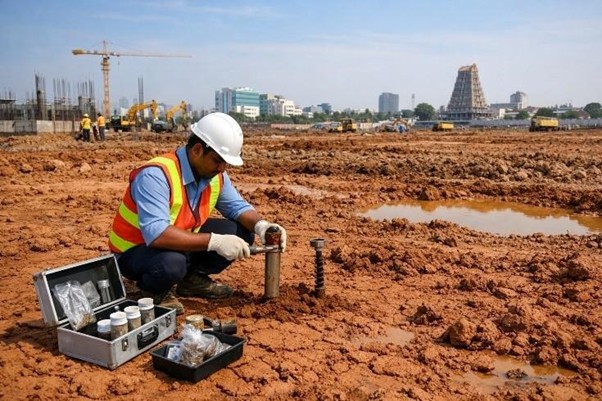
Every successful construction project begins with a strong foundation, and the quality of that foundation depends heavily on the condition of the soil beneath it. Before starting any residential, commercial, industrial, or infrastructure project, conducting a Soil Test is one of the most important steps in the planning process. Ignoring a Soil Test can lead to structural instability, foundation failure, excessive settlement, water issues, and significant financial losses in the future.
A Soil Test helps engineers, architects, contractors, and property owners understand the physical and engineering properties of the soil at the construction site. This information is critical for designing safe foundations, selecting suitable construction methods, and ensuring long-term durability of the structure.
In modern construction, a Soil Test is not just a recommendation—it is a necessity for safe and efficient project execution.
What Is a Soil Test?
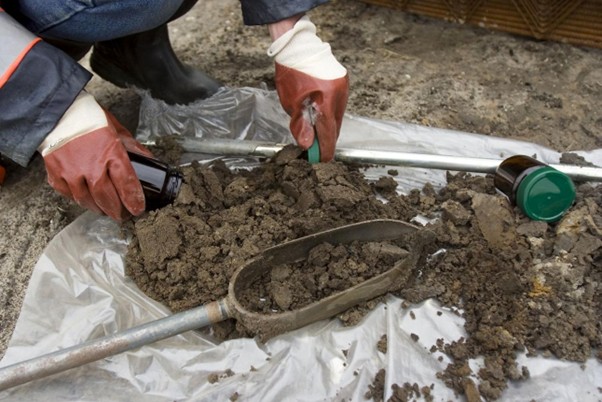
A Soil Test is a geotechnical investigation conducted to analyze the characteristics and behavior of soil before construction begins.
The purpose of a Soil Test is to determine:
- Soil bearing capacity
- Soil composition
- Moisture content
- Density and compaction
- Groundwater level
- Soil stability
The test helps engineers understand whether the soil can safely support the proposed structure.
Without a proper Soil Test, foundation design becomes uncertain and risky.
Why a Soil Test Is Important Before Construction
The condition of soil directly affects the stability and safety of any building.
A Soil Test helps:
- Prevent structural failure
- Design suitable foundations
- Avoid unnecessary construction costs
- Improve safety and durability
- Identify underground issues early
Different soil types behave differently under load. Some soils can support heavy structures, while others may expand, shrink, or settle excessively.
Conducting a Soil Test before construction reduces these risks significantly.
Understanding Soil Bearing Capacity
One of the main objectives of a Soil Test is to determine the soil bearing capacity.
Soil bearing capacity refers to the maximum load the soil can safely support without failure.
This helps engineers decide:
- Foundation depth
- Foundation type
- Structural load limitations
If the soil bearing capacity is low, stronger foundation systems such as:
- Raft foundations
- Pile foundations
- Combined footings
may be required.
Without a proper Soil Test, foundations may fail due to inadequate load support.
Prevents Foundation Settlement Problems
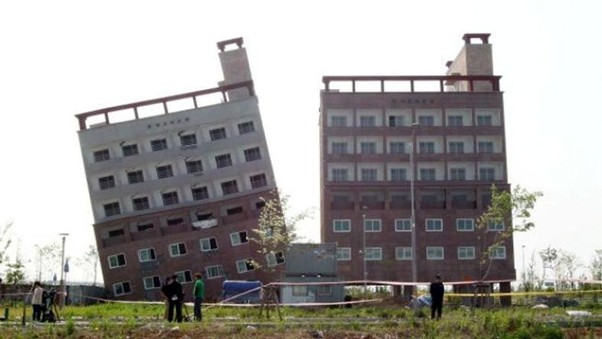
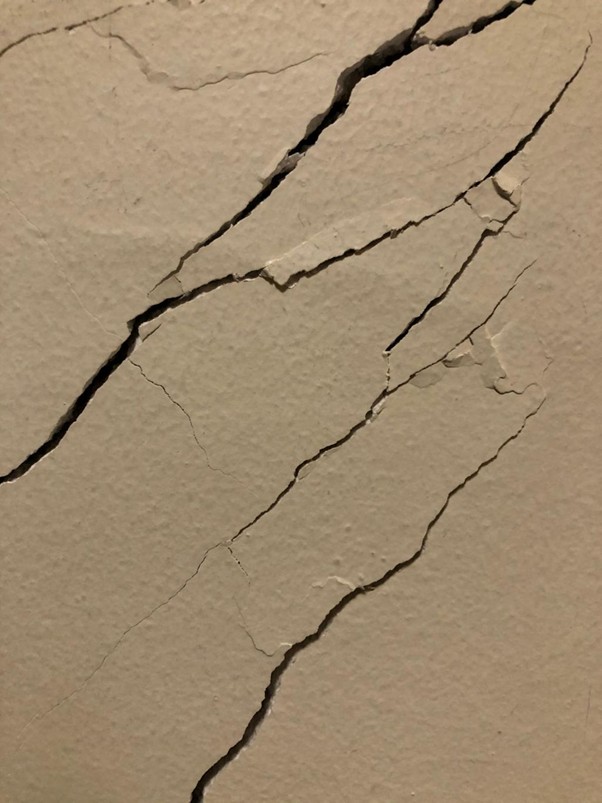
Uneven settlement is one of the most common construction problems caused by poor soil conditions.
A Soil Test helps identify:
- Loose soil layers
- Compressible soils
- Weak zones underground
If these conditions are ignored, buildings may develop:
- Wall cracks
- Floor settlement
- Structural tilting
- Foundation movement
Proper Soil Test reports allow engineers to take preventive measures before construction starts.
Helps Select the Right Foundation Type
Different projects require different foundation systems.
A Soil Test helps determine whether the site is suitable for:
- Shallow foundations
- Deep foundations
- Pile foundations
- Mat foundations
The wrong foundation choice can increase:
- Construction costs
- Structural risks
- Long-term maintenance issues
Accurate Soil Test data ensures proper foundation design based on site conditions.
Identifies Groundwater Conditions
Groundwater plays a major role in construction planning.
A Soil Test helps determine:
- Water table depth
- Soil drainage characteristics
- Water-related risks
High groundwater levels can cause:
- Excavation difficulties
- Foundation instability
- Waterproofing challenges
Early identification through a Soil Test allows engineers to plan suitable drainage and waterproofing systems.
Reduces Construction Costs
Many people assume a Soil Test increases project costs, but in reality, it helps save money.
A proper Soil Test:
- Prevents overdesign of foundations
- Reduces unnecessary excavation
- Minimizes repair costs later
- Improves material planning
Without a Soil Test, contractors may either:
- Under-design foundations, risking failure
or
- Over-design foundations, wasting money unnecessarily
Soil investigation improves cost efficiency and project optimization.
Improves Structural Safety
Structural safety is the most important aspect of construction.
A Soil Test ensures:
- Stable load transfer to the ground
- Reduced risk of collapse
- Better earthquake resistance
Weak soil conditions can compromise the entire structure if not addressed properly.
In earthquake-prone regions, a Soil Test becomes even more important because soil behavior significantly affects seismic performance.
Helps in Planning Excavation Work
Excavation methods depend heavily on soil conditions.
A Soil Test provides information about:
- Soil hardness
- Rock layers
- Underground obstructions
- Excavation stability
This helps contractors:
- Select appropriate machinery
- Estimate excavation time
- Improve worker safety
Unexpected underground conditions can delay projects and increase costs.
Identifies Expansive and Problematic Soils
Certain soils are highly problematic for construction.
Examples include:
- Expansive clay soils
- Loose sandy soils
- Organic soils
- Collapsible soils
These soils may:
- Expand during wet conditions
- Shrink during dry conditions
- Lose strength under load
A Soil Test helps identify such risks early so corrective measures can be taken.
Supports Long-Term Durability
A building is expected to remain stable for decades.
A Soil Test contributes to long-term durability by ensuring:
- Proper foundation design
- Reduced settlement issues
- Better drainage planning
- Improved load distribution
Ignoring soil conditions can lead to expensive structural repairs in the future.
Types of Soil Tests Used in Construction
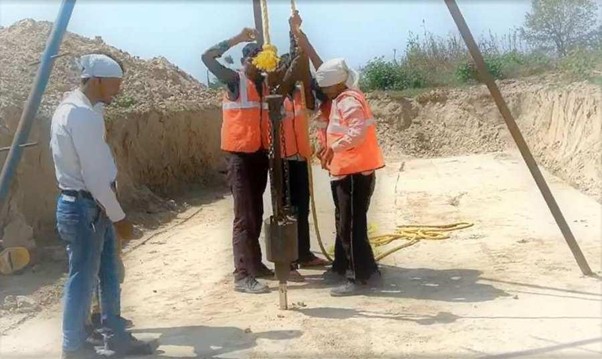
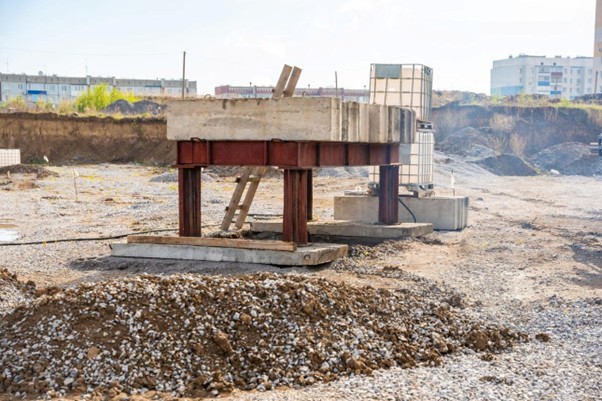
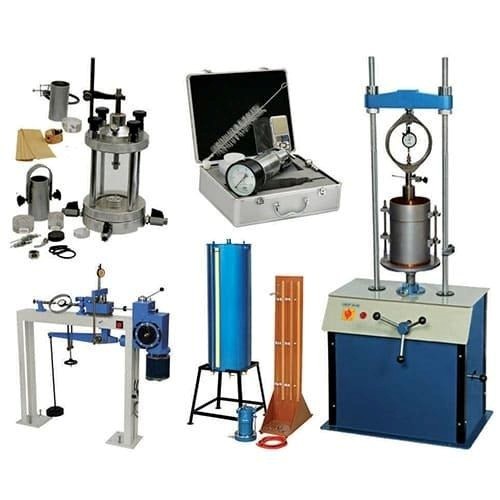
Different Soil Test methods are used depending on project requirements.
1. Standard Penetration Test (SPT)
This test measures soil resistance and helps estimate bearing capacity.
Widely used for:
- Residential projects
- Commercial buildings
- Infrastructure work
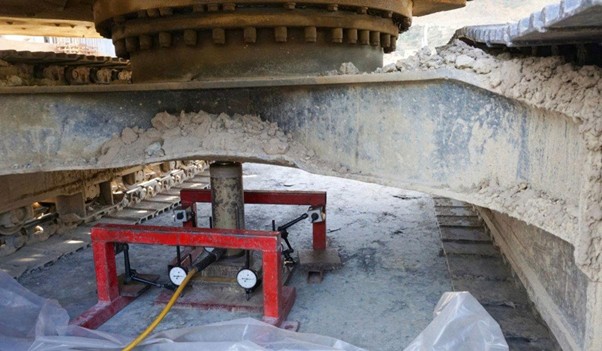
2. Plate Load Test
Used to determine the load-bearing capacity of soil directly on-site.
3. Moisture Content Test
Determines the amount of water present in soil.
4. Compaction Test
Measures soil density and compaction characteristics.
5. Grain Size Analysis
Helps classify soil based on particle size distribution.
6. Atterberg Limits Test
Used to determine the plasticity characteristics of fine-grained soils.
Each Soil Test provides valuable information for safe construction planning.
Importance of Soil Test in Different Construction Projects
Residential Buildings
Ensures safe foundation design for houses and apartments.
Commercial Projects
Supports heavy structural loads and multi-storey construction.
Road Construction
Helps determine pavement thickness and subgrade strength.
Bridge and Infrastructure Projects
Critical for handling dynamic and heavy loads.
A Soil Test is essential across all types of construction activities.
Consequences of Skipping a Soil Test
Many construction failures occur because builders ignore soil investigation.
Possible consequences include:
- Foundation cracks
- Uneven settlement
- Water seepage issues
- Structural instability
- Increased maintenance costs
In severe cases, poor soil conditions can even lead to partial or complete structural collapse.
The cost of repairing such problems is usually far greater than the cost of conducting a Soil Test.
Role of Geotechnical Engineers in Soil Testing
Geotechnical engineers specialize in analyzing soil behavior and preparing Soil Test reports.
Their responsibilities include:
- Conducting field investigations
- Collecting soil samples
- Performing laboratory tests
- Recommending foundation systems
Professional analysis ensures accurate interpretation of soil conditions.
Modern Technology in Soil Testing
Construction technology is improving Soil Test accuracy and efficiency.
Modern methods include:
- Digital soil analysis
- Advanced drilling equipment
- Geophysical investigations
- Computer-based geotechnical modeling
These technologies provide more reliable data for construction planning.
How a Soil Test Helps During Earthquakes
Soil behavior strongly influences building performance during earthquakes.
A Soil Test helps identify:
- Liquefaction risks
- Loose saturated soils
- Seismic soil response
Proper soil investigation improves earthquake-resistant foundation design.
Environmental Benefits of Soil Testing
A Soil Test also supports environmentally responsible construction.
It helps:
- Reduce excessive excavation
- Optimize material usage
- Prevent groundwater contamination
Efficient construction planning minimizes environmental impact.
When Should a Soil Test Be Conducted?
A Soil Test should always be performed:
- Before designing foundations
- Before finalizing structural drawings
- Before excavation work begins
Conducting the test early prevents design revisions and construction delays later.
Summary
A Soil Test is one of the most essential steps before starting any construction project. It provides critical information about soil strength, stability, groundwater conditions, and load-bearing capacity, helping engineers design safe and durable foundations.
From reducing construction risks and controlling costs to improving long-term structural performance, a Soil Test plays a major role in successful project execution. Ignoring soil investigation can lead to severe structural problems, costly repairs, and safety hazards in the future.
Whether it is a small residential building or a large commercial project, investing in a proper Soil Test ensures better planning, safer construction, and greater confidence throughout the building lifecycle.
Subscribe to my channel on YouTube to gain access to a wealth of knowledge and expertise that can elevate your understanding of Real Estate, project management concepts, & Construction.
Related Articles: Construction