
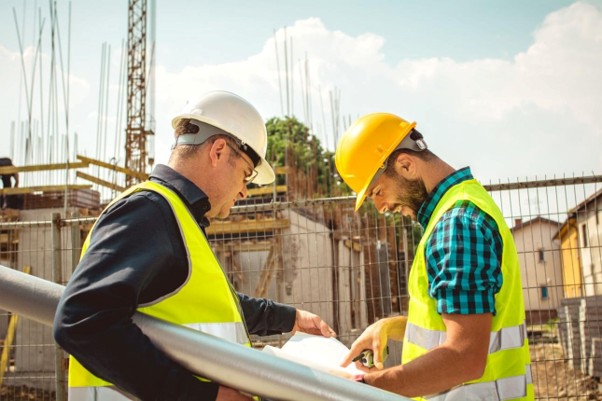
Construction projects involve hundreds of interconnected activities, multiple teams, strict deadlines, and significant financial investments. Whether it is a residential building, commercial complex, highway project, industrial facility, or infrastructure development, successful completion depends heavily on proper planning and execution. One of the most important tools that enables this success is the Project Timeline.
A Project Timeline serves as the backbone of construction planning. It establishes the sequence of activities, assigns durations to various tasks, identifies milestones, and provides a clear roadmap for project execution. Without a well-defined Project Timeline, construction projects can quickly face delays, budget overruns, resource conflicts, communication issues, and quality concerns.
In today’s competitive construction industry, maintaining control over schedules has become more important than ever. Contractors, project managers, engineers, architects, and clients rely on a Project Timeline to ensure that projects are completed efficiently, cost-effectively, and according to expectations.
What Is a Project Timeline?
A Project Timeline is a visual schedule that outlines every stage of a construction project from start to finish. It provides a chronological representation of tasks, milestones, deadlines, dependencies, and resource allocation requirements.
A typical Project Timeline includes:
- Project commencement date
- Major construction phases
- Task durations
- Milestone dates
- Resource schedules
- Critical path activities
- Project completion target
The Project Timeline allows all stakeholders to understand exactly what work needs to be completed, when it must be completed, and how various tasks are interconnected.
Rather than functioning as a simple calendar, a Project Timeline becomes a strategic management tool that guides project execution from beginning to end.
Why a Project Timeline Is Essential in Construction
Construction projects involve numerous moving parts. Excavation teams, structural engineers, procurement departments, subcontractors, consultants, suppliers, and clients all need to coordinate their activities efficiently.
A properly developed Project Timeline helps:
- Organize construction activities
- Establish accountability
- Improve coordination
- Track progress effectively
- Reduce confusion
- Improve productivity
- Minimize delays
Without a Project Timeline, project teams often struggle with overlapping activities, scheduling conflicts, and poor resource utilization.
Construction professionals use the Project Timeline to create a structured framework that keeps everyone aligned toward common project objectives.
Provides a Clear Construction Roadmap
One of the primary functions of a Project Timeline is providing a clear roadmap for the project.
Every construction project consists of multiple stages, including:
- Site investigation
- Design approval
- Excavation
- Foundation work
- Structural construction
- Masonry
- Electrical installation
- Plumbing
- Interior finishing
- Testing and commissioning
- Final handover
A Project Timeline visually organizes these stages in the correct sequence.
This structured approach ensures that every team understands:
- Their responsibilities
- Start dates
- Completion dates
- Interdependencies
The roadmap created through a Project Timeline eliminates uncertainty and improves overall project organization.
Supports Effective Construction Planning
Planning is the foundation of every successful construction project.
Before physical work begins, project teams use a Project Timeline to:
- Define project objectives
- Establish milestones
- Estimate task durations
- Allocate resources
- Identify dependencies
For example:
- Excavation must finish before foundation construction.
- Foundations must be completed before columns are erected.
- Structural work must conclude before interior finishing begins.
A Project Timeline clearly identifies these relationships and prevents activities from being performed out of sequence.
Proper planning through a Project Timeline significantly reduces execution risks and improves project predictability.
Improves Resource Management


Resource management is one of the biggest challenges in construction projects.
Resources include:
- Skilled labor
- Unskilled labor
- Construction materials
- Equipment
- Machinery
- Subcontractors
A Project Timeline helps determine precisely when these resources will be required.
Benefits include:
- Preventing labor shortages
- Reducing equipment idle time
- Avoiding material stockouts
- Improving procurement planning
- Enhancing workforce productivity
For example, ordering steel months before it is needed can increase storage costs, while ordering it too late may delay construction. A Project Timeline helps maintain the proper balance.
Efficient resource management directly contributes to cost savings and improved project performance.
Helps Prevent Construction Delays
Delays are among the most common reasons construction projects exceed budgets and miss delivery deadlines.
Common causes include:
- Material shortages
- Labor availability issues
- Weather disruptions
- Equipment breakdowns
- Design revisions
- Permit delays
A Project Timeline helps identify potential delays before they become major problems.
Project managers can continuously compare:
- Planned progress
- Actual progress
When deviations occur, corrective measures can be implemented quickly.
These may include:
- Increasing workforce capacity
- Adjusting schedules
- Reallocating equipment
- Accelerating specific activities
Early detection and intervention help minimize schedule disruptions and improve project delivery performance.
Strengthens Cost Control
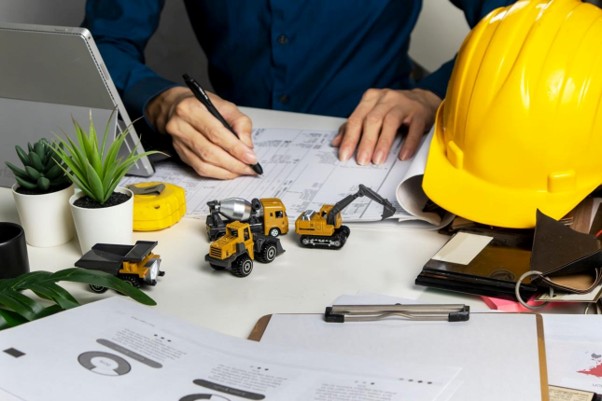

Time and cost are closely connected in construction.
When schedules extend beyond planned durations:
- Labor expenses increase
- Equipment rental costs rise
- Administrative overheads accumulate
- Financing expenses grow
A well-managed Project Timeline helps keep construction activities on schedule, which directly supports cost control.
Additionally, the Project Timeline assists with:
- Budget forecasting
- Cash flow planning
- Procurement scheduling
- Financial monitoring
Project managers can identify activities that may affect budgets and implement corrective actions before costs escalate.
As a result, organizations maintain stronger financial control throughout the project lifecycle.
Enhances Communication Among Stakeholders
Construction projects involve numerous stakeholders, including:
- Owners
- Clients
- Architects
- Engineers
- Contractors
- Suppliers
- Government agencies
Miscommunication between stakeholders can cause costly delays and mistakes.
A Project Timeline serves as a shared reference point for all participants.
It helps communicate:
- Project milestones
- Upcoming activities
- Resource requirements
- Schedule changes
- Completion targets
Because everyone works from the same Project Timeline, misunderstandings are reduced and collaboration improves significantly.
Effective communication is one of the key contributors to successful construction delivery.
Supports Better Decision-Making
Every construction project experiences unexpected situations.
Examples include:
- Design modifications
- Material price fluctuations
- Site condition changes
- Labor shortages
- Client requests
Project managers must often make quick decisions.
A Project Timeline provides valuable information that supports these decisions.
It allows managers to evaluate:
- Schedule impacts
- Resource availability
- Alternative work sequences
- Recovery strategies
This enables informed decision-making rather than reactive problem-solving.
A data-driven approach improves project outcomes and minimizes disruptions.
Identifies Critical Activities and Milestones

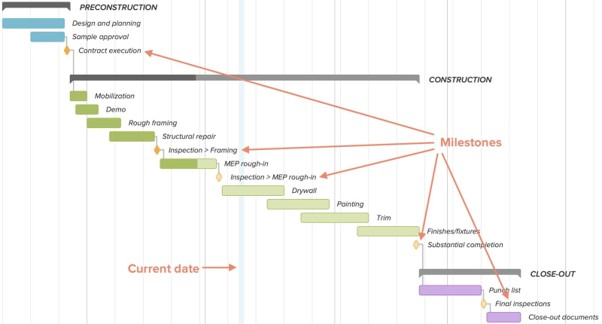
Not every construction activity has the same impact on project completion.
Some tasks are classified as critical activities because delays in these tasks directly delay the entire project.
Examples include:
- Foundation completion
- Structural framework erection
- Roof installation
- Utility connections
- Final inspections
A Project Timeline identifies these critical tasks through critical path analysis.
Benefits include:
- Better prioritization
- Improved supervision
- Enhanced risk management
- More efficient resource allocation
By focusing attention on critical activities, project teams can protect project completion dates.
Improves Site Productivity
Construction workers perform better when expectations are clear.
A Project Timeline provides this clarity by defining:
- Task priorities
- Work sequences
- Deadlines
- Dependencies
Benefits include:
- Reduced downtime
- Better crew coordination
- Fewer scheduling conflicts
- Improved productivity
When teams understand exactly what work must be completed and when, project execution becomes more efficient.
Improved productivity contributes directly to faster project delivery and better profitability.
Supports Procurement Planning

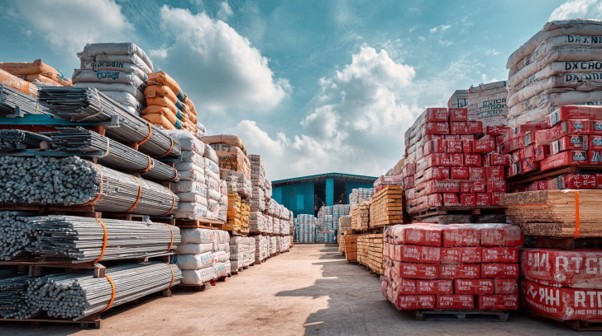
Procurement is a critical component of construction management.
Materials must arrive:
- On time
- In the correct quantities
- According to project schedules
A Project Timeline enables procurement teams to determine:
- Material requirements
- Delivery schedules
- Inventory needs
- Vendor coordination timelines
This prevents:
- Material shortages
- Excess inventory
- Storage issues
- Construction interruptions
Efficient procurement planning reduces waste and supports smooth project execution.
Improves Risk Management
Construction projects face numerous risks throughout their lifecycle.
These risks include:
- Extreme weather
- Equipment failures
- Supply chain disruptions
- Labor disputes
- Regulatory delays
A Project Timeline allows project teams to identify risk-prone activities and develop contingency plans.
Common risk mitigation measures include:
- Schedule buffers
- Alternative suppliers
- Backup equipment
- Additional workforce allocation
Proactive risk management improves schedule reliability and reduces project uncertainty.
Role of Technology in Project Timeline Management
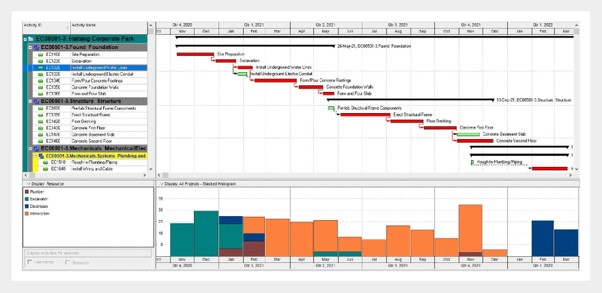
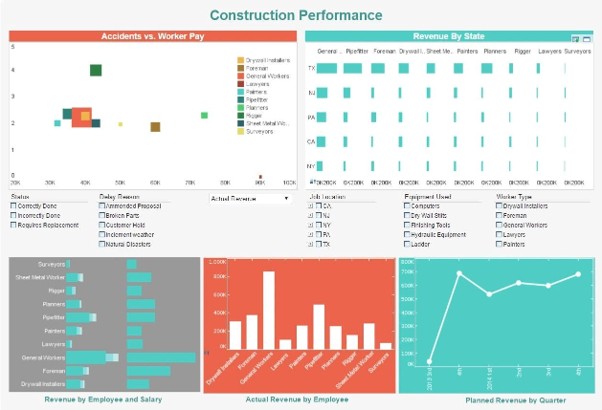
Modern construction projects increasingly rely on digital technologies for Project Timeline management.
Popular tools include:
- Primavera P6
- Microsoft Project
- BIM platforms
- Cloud-based construction software
These technologies provide:
- Real-time schedule updates
- Resource tracking
- Progress monitoring
- Automated reporting
- Improved collaboration
Technology enables project teams to manage complex schedules more effectively and respond quickly to changing conditions.
Best Practices for Creating an Effective Project Timeline
To maximize effectiveness, construction professionals should follow best practices when developing a Project Timeline.
Important practices include:
- Clearly define project scope
- Break work into manageable activities
- Establish realistic durations
- Identify dependencies
- Include contingency time
- Monitor progress frequently
- Update schedules regularly
- Communicate changes immediately
A carefully maintained Project Timeline remains accurate and useful throughout project execution.
Future of Project Timeline Management

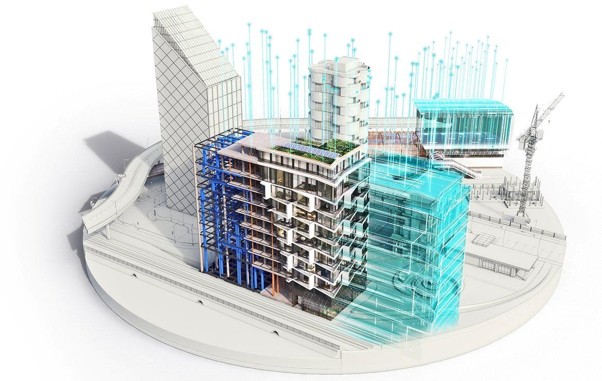
Construction scheduling continues to evolve rapidly through technological innovation.
Emerging trends include:
- Artificial intelligence scheduling
- Predictive analytics
- Digital twin technology
- Automated progress tracking
- Cloud-based collaboration platforms
These innovations will make Project Timeline management even more accurate, proactive, and efficient.
Organizations that adopt advanced scheduling technologies will gain significant competitive advantages in project delivery.
Conclusion
A Project Timeline is far more than a scheduling document. It serves as the foundation for successful construction planning, execution, monitoring, and control. By providing a clear roadmap, improving resource allocation, supporting procurement planning, enhancing communication, and helping control costs, the Project Timeline plays a critical role in successful construction delivery.
From project initiation to final handover, every stage of construction benefits from a well-structured Project Timeline. It enables project teams to anticipate challenges, manage risks, maintain accountability, and ensure that work progresses according to plan.
As construction projects become increasingly complex, the importance of effective Project Timeline management will continue to grow. Organizations that prioritize detailed scheduling and proactive timeline management are better positioned to complete projects on time, within budget, and to the satisfaction of all stakeholders.