
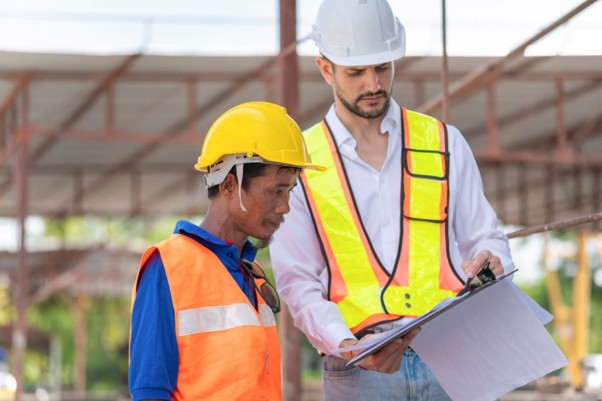
The construction industry is one of the most complex sectors in the world, involving multiple stakeholders, strict timelines, large budgets, regulatory requirements, and numerous on-site activities. Managing these moving parts efficiently requires more than technical knowledge—it requires strong leadership, strategic planning, risk management, and effective communication. This is where a Certified Professional Project Manager becomes a valuable asset to any construction project.
A Certified Professional Project Manager brings formal project management training, industry-recognized credentials, and proven methodologies to oversee construction projects from initiation to completion. Their expertise helps organizations improve project outcomes, reduce risks, optimize resources, and ensure timely delivery.
As construction projects become increasingly sophisticated, the demand for skilled professionals who can manage complexity continues to rise. Understanding how a Certified Professional Project Manager contributes to project success can help developers, contractors, consultants, and clients appreciate the value these professionals bring to construction management.
Who Is a Certified Professional Project Manager?

A Certified Professional Project Manager is a project management professional who has earned recognized certifications demonstrating their knowledge, skills, and competency in managing projects effectively.
These certifications are typically awarded after meeting specific requirements related to:
- Education
- Professional experience
- Training
- Examination performance
A Certified Professional Project Manager applies structured project management principles to ensure successful planning, execution, monitoring, and completion of projects.
In construction, their responsibilities often extend across:
- Project planning
- Cost management
- Resource allocation
- Risk management
- Quality assurance
- Stakeholder communication
Their expertise helps align project objectives with client expectations and business goals.
Why Construction Projects Need Professional Project Management
Construction projects involve a wide range of challenges that can affect outcomes.
Common challenges include:
- Budget overruns
- Schedule delays
- Resource shortages
- Design changes
- Safety concerns
- Regulatory compliance issues
Without proper oversight, these issues can negatively impact project performance.
A Certified Professional Project Manager provides the structure and leadership necessary to navigate these complexities effectively.
By implementing proven project management practices, they help maintain control over project scope, time, cost, and quality.
Improves Project Planning and Organization
One of the most important contributions of a Certified Professional Project Manager is effective project planning.
Successful construction projects begin with a detailed plan that outlines:
- Project objectives
- Scope of work
- Timelines
- Resource requirements
- Budget allocations
- Risk assessments
A Certified Professional Project Manager develops comprehensive project plans that serve as roadmaps for execution.
Effective planning helps:
- Reduce uncertainty
- Improve coordination
- Prevent misunderstandings
- Enhance productivity
Projects with strong planning foundations are more likely to achieve their intended outcomes.
Enhances Project Scheduling and Time Management
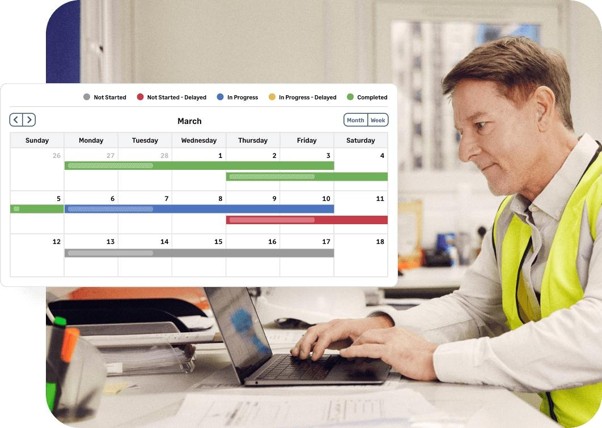
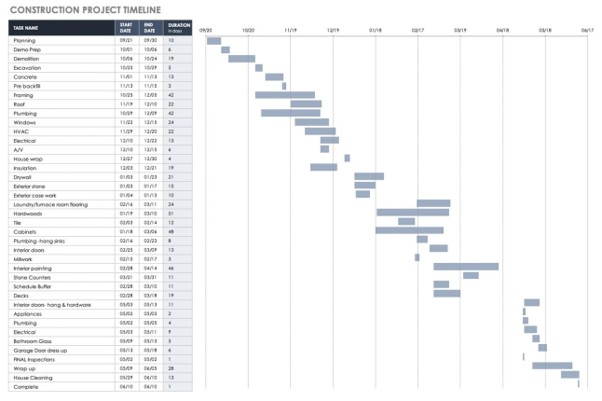

Time management is a critical factor in construction project success.
Delays can lead to:
- Increased costs
- Contractual penalties
- Resource conflicts
- Client dissatisfaction
A Certified Professional Project Manager develops realistic schedules that account for:
- Task dependencies
- Resource availability
- Milestones
- Potential risks
They continuously monitor progress and implement corrective actions when delays occur.
Benefits include:
- Improved schedule adherence
- Better resource coordination
- Faster issue resolution
- On-time project completion
Effective scheduling helps maintain project momentum and improves overall performance.
Strengthens Budget Control
Managing project finances is one of the most important responsibilities in construction management.
A Certified Professional Project Manager helps establish:
- Accurate cost estimates
- Budget forecasts
- Cost tracking systems
- Financial reporting processes
They monitor expenditures throughout the project lifecycle and identify potential cost overruns early.
This proactive approach helps:
- Protect profitability
- Reduce financial risks
- Improve cash flow management
- Support informed decision-making
Strong financial control contributes directly to project success and stakeholder confidence.
Improves Risk Management
Every construction project faces risks that can affect performance.
Examples include:
- Weather disruptions
- Material shortages
- Labor challenges
- Equipment failures
- Regulatory delays
A Certified Professional Project Manager uses structured risk management processes to identify, assess, and mitigate risks.
Key risk management activities include:
- Risk identification
- Risk analysis
- Mitigation planning
- Continuous monitoring
By proactively addressing risks, project managers reduce the likelihood of major disruptions and improve project resilience.
Enhances Resource Allocation



Construction projects rely heavily on effective resource management.
Resources include:
- Labor
- Equipment
- Materials
- Subcontractors
A Certified Professional Project Manager ensures resources are allocated efficiently to maximize productivity and minimize waste.
Benefits include:
- Improved labor utilization
- Reduced equipment downtime
- Better material management
- Enhanced project efficiency
Proper resource allocation helps projects stay on schedule and within budget.
Strengthens Communication Among Stakeholders
Construction projects involve numerous stakeholders, including:
- Clients
- Contractors
- Architects
- Engineers
- Suppliers
- Government agencies
Miscommunication can create delays, conflicts, and costly mistakes.
A Certified Professional Project Manager serves as a central communication point for all stakeholders.
They facilitate:
- Regular project meetings
- Progress reporting
- Issue resolution
- Change management discussions
Clear communication improves collaboration and ensures that everyone remains aligned with project objectives.
Improves Quality Management
Delivering high-quality construction work is essential for long-term project success.
A Certified Professional Project Manager helps establish quality standards and monitoring procedures throughout the project lifecycle.
Responsibilities include:
- Defining quality requirements
- Conducting inspections
- Monitoring workmanship
- Ensuring compliance with specifications
Effective quality management helps:
- Reduce rework
- Improve client satisfaction
- Enhance project durability
- Protect organizational reputation
Quality-focused project management contributes significantly to successful project delivery.
Supports Better Decision-Making


Construction projects require continuous decision-making.
Examples include:
- Resource adjustments
- Schedule modifications
- Procurement strategies
- Design changes
A Certified Professional Project Manager uses data-driven approaches to support informed decisions.
They analyze:
- Project performance metrics
- Risk assessments
- Financial reports
- Progress updates
This helps ensure that decisions align with project goals and business objectives.
Better decision-making improves project outcomes and reduces uncertainty.
Facilitates Effective Change Management
Changes are common in construction projects.
Changes may result from:
- Client requests
- Design revisions
- Site conditions
- Regulatory requirements
Without proper management, changes can disrupt schedules and budgets.
A Certified Professional Project Manager implements structured change management processes that include:
- Change evaluation
- Impact assessment
- Approval procedures
- Documentation updates
This helps maintain project control while accommodating necessary modifications.
Improves Construction Site Safety
Safety is a top priority in construction management.
A Certified Professional Project Manager promotes safety by:
- Establishing safety protocols
- Conducting risk assessments
- Monitoring compliance
- Coordinating safety training
Benefits include:
- Reduced accidents
- Improved worker wellbeing
- Lower legal liabilities
- Enhanced productivity
A safe construction site contributes directly to successful project execution.
Increases Client Satisfaction
Client satisfaction is one of the most important measures of project success.
A Certified Professional Project Manager improves client experiences through:
- Transparent communication
- Reliable scheduling
- Cost control
- Quality assurance
Clients benefit from:
- Greater project visibility
- Reduced uncertainty
- Timely issue resolution
- Better project outcomes
Satisfied clients are more likely to engage in repeat business and provide positive referrals.
Supports Compliance and Regulatory Requirements

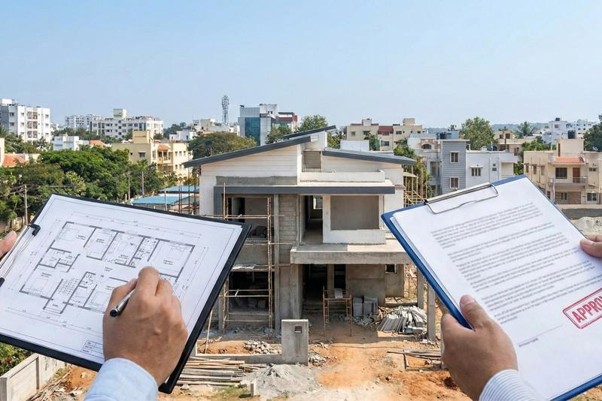
Construction projects must comply with numerous regulations and standards.
These may include:
- Building codes
- Safety regulations
- Environmental requirements
- Permit conditions
A Certified Professional Project Manager helps ensure compliance by:
- Maintaining documentation
- Coordinating inspections
- Monitoring regulatory changes
- Verifying project requirements
Compliance reduces legal risks and supports successful project completion.
Role of Technology in Modern Project Management
Technology has transformed the way construction projects are managed.
A Certified Professional Project Manager often utilizes:
- Building Information Modeling (BIM)
- Project management software
- Scheduling platforms
- Cost control systems
- Collaboration tools
These technologies improve:
- Project visibility
- Communication
- Forecasting accuracy
- Decision-making
Technology enables project managers to manage increasingly complex projects more effectively.
Long-Term Benefits of Hiring a Certified Professional Project Manager
Organizations that employ a Certified Professional Project Manager often experience long-term advantages.
These include:
- Improved project success rates
- Enhanced operational efficiency
- Better stakeholder relationships
- Reduced project risks
- Stronger financial performance
The value provided by a Certified Professional Project Manager extends beyond individual projects and contributes to organizational growth and reputation.
Summary
A Certified Professional Project Manager plays a vital role in improving construction project success. Through effective planning, scheduling, budgeting, risk management, communication, and quality control, they help ensure that projects are completed on time, within budget, and according to client expectations.
Their structured approach to project management enables construction teams to navigate complex challenges while maintaining efficiency and accountability. From resource allocation and safety management to stakeholder communication and regulatory compliance, a Certified Professional Project Manager contributes value at every stage of the project lifecycle.
As the construction industry continues to evolve, the importance of skilled and certified project management professionals will only increase. Organizations that leverage the expertise of a Certified Professional Project Manager are better equipped to deliver successful projects, strengthen client relationships, and achieve long-term business growth.