
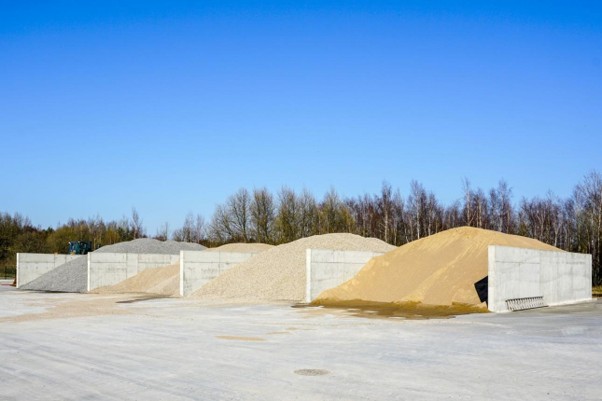
Construction projects rely on a variety of materials to achieve strength, durability, and long-term performance. Among these materials, Construction Aggregates play a fundamental role in almost every type of building and infrastructure project. Whether it is concrete production, road construction, drainage systems, railways, or foundation work, Construction Aggregates form the backbone of modern construction activities.
Although cement often receives the most attention in construction, aggregates typically make up the largest portion of concrete and other construction materials by volume. Their quality, size, shape, and composition directly influence the strength, stability, and durability of the finished structure.
Understanding Construction Aggregates is essential for engineers, contractors, architects, developers, and construction students. This guide explains the various types of Construction Aggregates, their applications, advantages, and their importance in modern construction projects.
What Are Construction Aggregates?
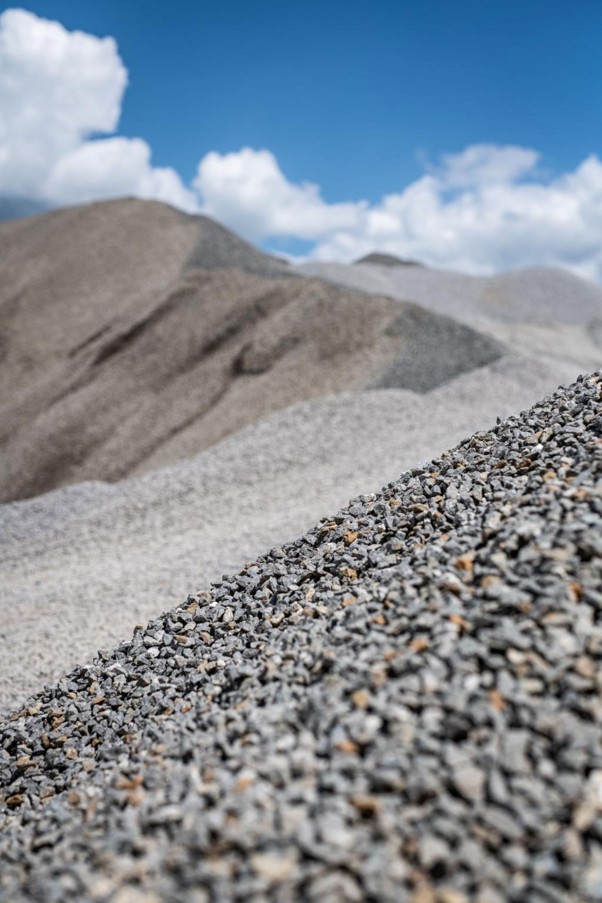
Construction Aggregates are granular materials used in construction activities either as a primary material or as a component of composite materials such as concrete and asphalt.
Common examples include:
- Sand
- Gravel
- Crushed stone
- Recycled concrete
- Slag aggregates
Construction Aggregates are typically obtained from:
- Natural deposits
- Quarries
- Riverbeds
- Recycled construction materials
These materials provide bulk, strength, stability, and durability to construction projects.
Why Construction Aggregates Are Important
Construction Aggregates are among the most consumed materials in the construction industry.
Their importance can be understood through the various functions they perform:
- Provide structural strength
- Improve load distribution
- Enhance durability
- Reduce shrinkage in concrete
- Improve drainage performance
- Increase wear resistance
Without quality Construction Aggregates, modern infrastructure development would not be possible.
From skyscrapers and bridges to roads and airports, aggregates contribute significantly to structural performance.
How Construction Aggregates Are Produced
The production of Construction Aggregates involves several stages.
Extraction
Raw materials are obtained from:
- Stone quarries
- Sand pits
- Gravel deposits
- Riverbeds
Crushing
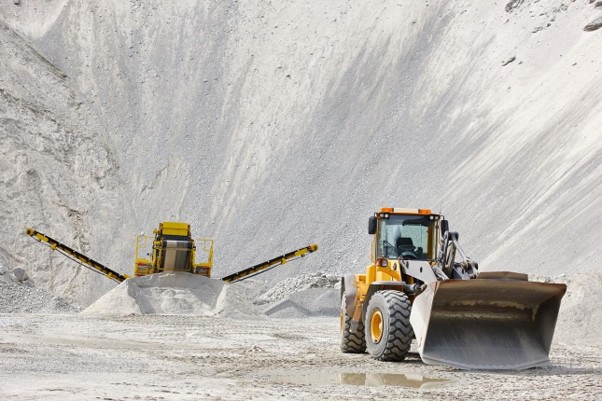
Large rocks are processed using crushing equipment to produce aggregates of various sizes.
Screening
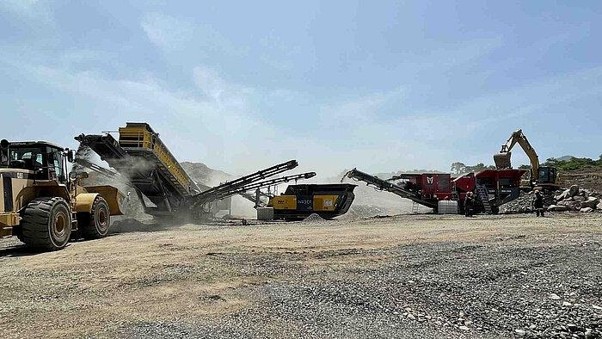
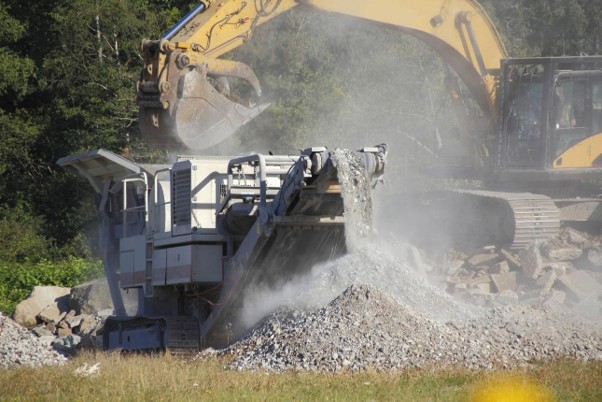
After crushing, aggregates are screened and sorted according to size requirements.
Washing
Some Construction Aggregates undergo washing to remove:
- Dust
- Clay
- Organic impurities
Quality Testing
Aggregates are tested for:
- Strength
- Gradation
- Durability
- Water absorption
- Specific gravity
These quality control measures ensure the suitability of Construction Aggregates for construction applications.
Types of Construction Aggregates
Construction Aggregates can be classified into several categories based on their source and size.
1. Fine Aggregates
Fine aggregates consist of particles smaller than 4.75 mm.
Common examples include:
- Natural sand
- Manufactured sand (M-sand)
Fine Construction Aggregates are primarily used in:
- Concrete production
- Mortar preparation
- Plastering work
They help fill voids between larger aggregate particles and improve workability.
2. Coarse Aggregates
Coarse aggregates consist of particles larger than 4.75 mm.
Examples include:
- Crushed stone
- Gravel
- Crushed concrete
Coarse Construction Aggregates provide:
- Structural strength
- Load-bearing capacity
- Volume stability
They are widely used in concrete and road construction.
3. Natural Aggregates
Natural Construction Aggregates are obtained directly from natural sources.
Examples include:
- River sand
- Natural gravel
- Crushed rock
Natural aggregates remain among the most widely used construction materials globally.
4. Manufactured Aggregates
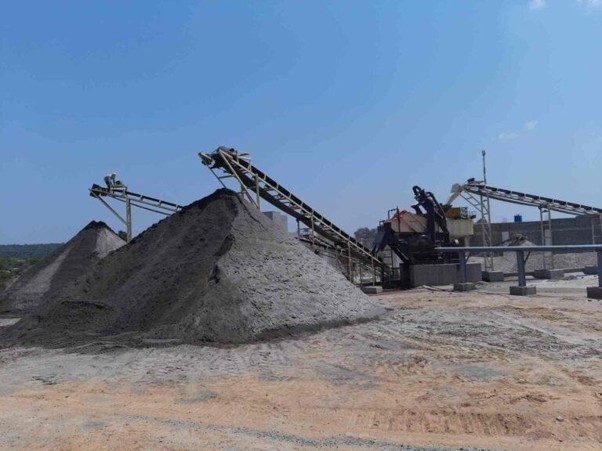
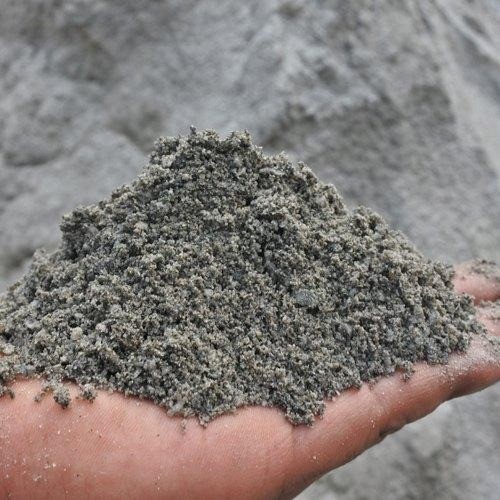
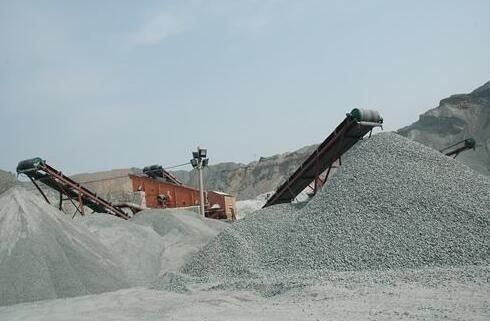
Manufactured Construction Aggregates are produced through industrial processes.
Examples include:
- M-sand
- Blast furnace slag
- Expanded clay aggregates
These aggregates are becoming increasingly popular due to environmental concerns regarding natural resource depletion.
5. Recycled Aggregates
Recycled Construction Aggregates are obtained from demolished structures and construction waste.
Common sources include:
- Demolished concrete
- Asphalt pavement
- Masonry debris
Benefits include:
- Reduced landfill waste
- Lower environmental impact
- Conservation of natural resources
Recycled aggregates support sustainable construction practices.
Key Properties of Construction Aggregates
The performance of Construction Aggregates depends on several important properties.
Strength
Aggregates must possess sufficient strength to withstand loads and stresses.
Durability
Durable Construction Aggregates resist:
- Weathering
- Abrasion
- Chemical attack
Particle Shape
Aggregate shape influences:
- Workability
- Compaction
- Strength development
Angular aggregates generally provide better interlocking compared to rounded particles.
Gradation
Gradation refers to the distribution of particle sizes.
Proper gradation helps:
- Reduce voids
- Improve strength
- Enhance workability
Water Absorption
Low water absorption generally indicates better quality aggregates.
These properties directly influence construction performance and durability.
Uses of Construction Aggregates in Modern Construction
Construction Aggregates are used across numerous construction applications.
Concrete Production
Concrete is one of the largest consumers of Construction Aggregates.
Aggregates account for approximately 60% to 80% of concrete volume.
Benefits include:
- Strength enhancement
- Volume stability
- Cost reduction
Without Construction Aggregates, concrete production would not be practical or economical.
Road Construction
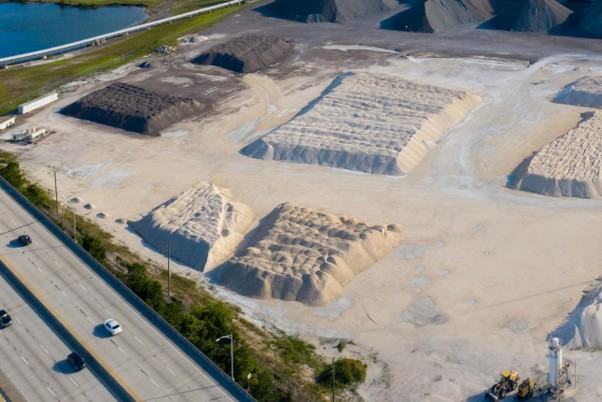
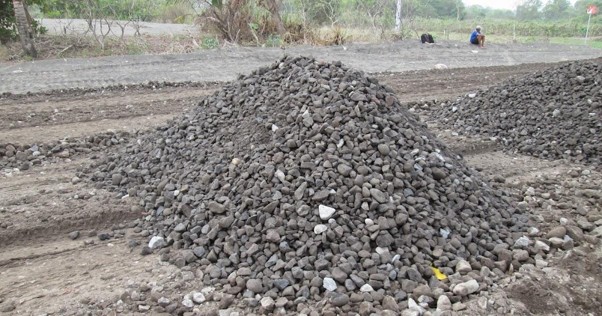
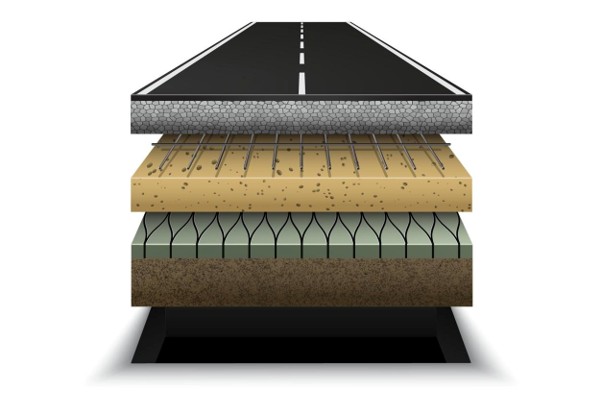
Road infrastructure relies heavily on Construction Aggregates.
Applications include:
- Base layers
- Sub-base layers
- Asphalt production
- Pavement construction
Aggregates provide the necessary load-bearing capacity required for roads and highways.
Railway Construction
Railway ballast consists primarily of Construction Aggregates.
Functions include:
- Track stability
- Drainage improvement
- Load distribution
Crushed stone aggregates are commonly used for this purpose.
Drainage Systems
Construction Aggregates facilitate effective drainage around structures.
Applications include:
- Retaining walls
- Foundation drainage
- Stormwater systems
- Landscaping projects
Proper drainage helps protect structures from water-related damage.
Foundation Construction
Aggregates are used extensively in foundation systems.
Benefits include:
- Improved load distribution
- Better compaction
- Enhanced stability
Strong foundations depend heavily on quality Construction Aggregates.
Precast Concrete Products
Precast elements such as:
- Pipes
- Pavers
- Blocks
- Panels
all utilize Construction Aggregates as a major component.
Importance of Construction Aggregates in Sustainable Construction
Sustainability has become a major focus in the construction industry.
Construction Aggregates contribute to sustainable development through:
- Recycled aggregate utilization
- Reduced waste generation
- Resource conservation
- Lower environmental impact
Many green building projects now incorporate recycled Construction Aggregates to improve sustainability performance.
This approach supports circular economy principles within the construction sector.
Factors to Consider When Selecting Construction Aggregates
Choosing the right Construction Aggregates is critical for project success.
Important considerations include:
Project Requirements
Different applications require different aggregate characteristics.
Strength Requirements
Structural applications require stronger aggregates.
Durability Conditions
Environmental exposure conditions should be considered.
Availability
Locally available Construction Aggregates often reduce transportation costs.
Cost
Aggregate selection should balance performance and budget requirements.
Proper material selection helps optimize construction performance and cost efficiency.
Common Quality Tests for Construction Aggregates

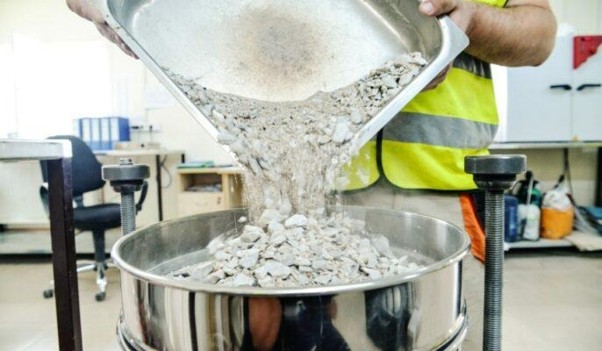
Quality testing ensures that Construction Aggregates meet project specifications.
Common tests include:
- Sieve analysis
- Aggregate crushing value test
- Impact value test
- Los Angeles abrasion test
- Water absorption test
- Specific gravity test
These tests help engineers assess aggregate suitability for specific applications.
Quality control is essential for achieving reliable construction outcomes.
Challenges Associated with Construction Aggregates
Despite their importance, Construction Aggregates present certain challenges.
Common concerns include:
- Resource depletion
- Environmental impacts of quarrying
- Transportation costs
- Quality variability
- Regulatory restrictions
The construction industry continues exploring alternative sources and sustainable practices to address these challenges.
Benefits of Using Quality Construction Aggregates
Quality Construction Aggregates provide numerous benefits, including:
- Improved structural strength
- Enhanced durability
- Better load distribution
- Increased service life
- Reduced maintenance costs
- Improved construction efficiency
These benefits directly contribute to the safety and performance of modern infrastructure.
Summary
Construction Aggregates are among the most essential materials used in modern construction. From concrete production and road construction to drainage systems and railway infrastructure, aggregates play a critical role in ensuring structural strength, stability, and durability.
Understanding the different types of Construction Aggregates, their properties, and their applications helps construction professionals make informed decisions that improve project quality and efficiency. Whether natural, manufactured, or recycled, aggregates contribute significantly to the performance and sustainability of modern construction projects.
Subscribe to my channel on YouTube to gain access to a wealth of knowledge and expertise that can elevate your understanding of Real Estate, project management concepts, & Construction.
Related Articles: Construction