
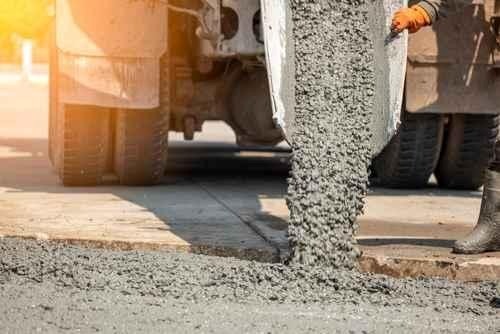
Concrete is one of the most important construction materials used worldwide in residential, commercial, industrial, and infrastructure projects. The strength, durability, and performance of concrete depend largely on the proportions of its ingredients. While nominal mixes are suitable for small-scale works, modern construction projects increasingly rely on Concrete Design Mix to achieve specific performance requirements.
A Concrete Design Mix is a scientifically developed mix proportion that determines the exact quantities of cement, water, fine aggregates, coarse aggregates, and admixtures needed to produce concrete with desired strength, workability, durability, and economy. Unlike traditional mix ratios, a Concrete Design Mix is based on laboratory testing and engineering calculations, ensuring that the concrete performs as intended under actual site conditions.
Understanding the principles, process, and applications of Concrete Design Mix is essential for engineers, contractors, project managers, and construction professionals who aim to deliver high-quality and durable structures.
What Is a Concrete Design Mix?
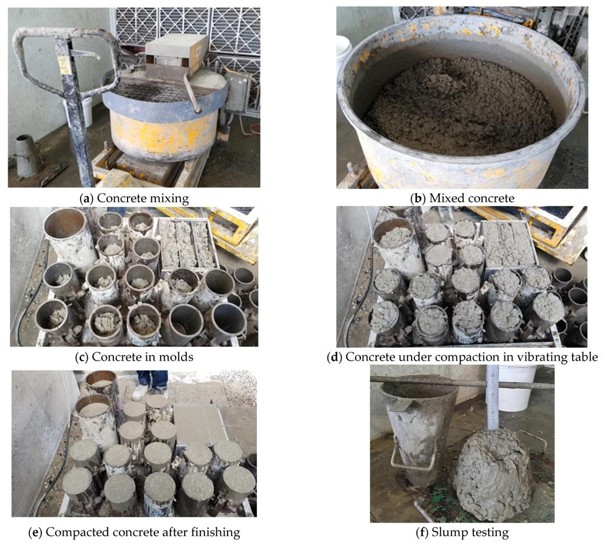
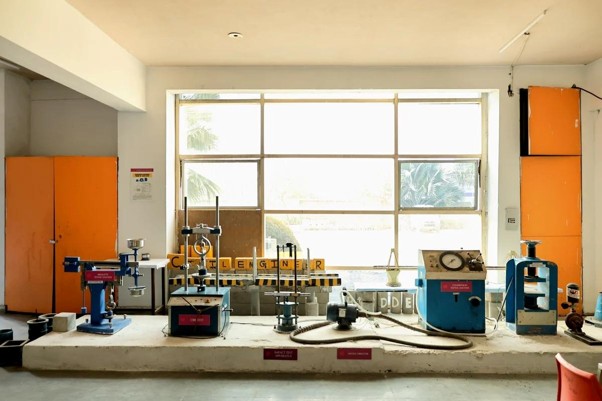
A Concrete Design Mix is the process of selecting suitable ingredients and determining their relative proportions to produce concrete with specific characteristics.
The primary objectives of a Concrete Design Mix are:
- Achieving required compressive strength
- Ensuring workability
- Enhancing durability
- Optimizing material usage
- Reducing construction costs
Unlike nominal concrete mixes such as 1:2:4 or 1:1.5:3, a Concrete Design Mix is customized based on project requirements and environmental conditions.
The final mix proportions are determined through engineering calculations and laboratory trials.
Why Concrete Design Mix Is Important
Modern construction projects require concrete that can meet specific performance demands.
A properly developed Concrete Design Mix helps:
- Achieve target strength
- Improve structural safety
- Minimize material wastage
- Enhance durability
- Control construction costs
- Ensure quality consistency
Without a proper Concrete Design Mix, concrete may fail to meet strength and durability requirements, leading to costly repairs and structural issues.
Basic Components of a Concrete Design Mix
Every Concrete Design Mix consists of five primary ingredients.
1. Cement
Cement acts as the binding material in concrete.
Its functions include:
- Binding aggregates together
- Providing strength development
- Enhancing durability
The type and grade of cement influence the overall performance of the Concrete Design Mix.
2. Fine Aggregate
Fine aggregate typically consists of natural sand or manufactured sand.
Its role includes:
- Filling voids
- Improving workability
- Reducing segregation
Proper grading of fine aggregate is essential for a successful Concrete Design Mix.
3. Coarse Aggregate
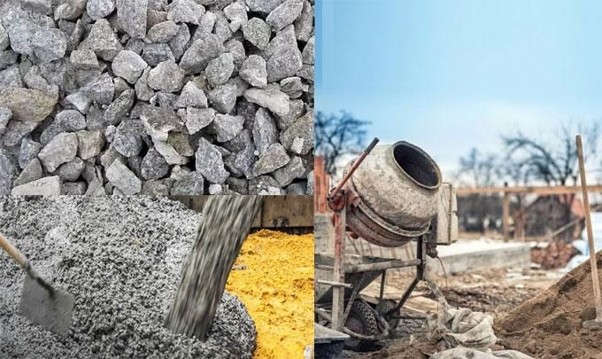
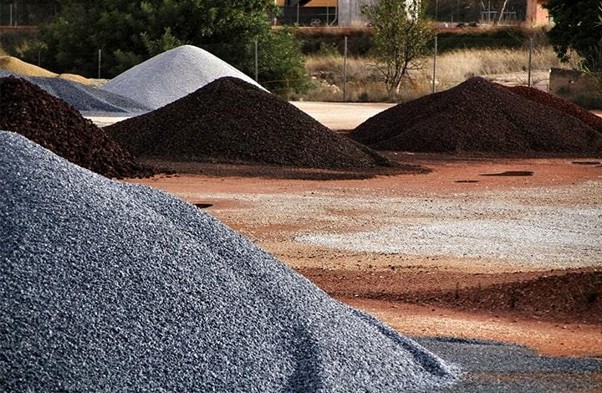
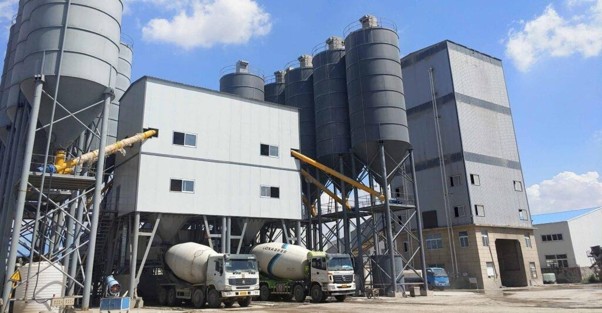
Coarse aggregates provide bulk and strength to concrete.
Common options include:
- Crushed stone
- Gravel
- Recycled aggregates
Aggregate size and quality significantly affect the performance of a Concrete Design Mix.
4. Water
Water initiates the hydration process that enables cement to harden.
The water-cement ratio is one of the most critical factors in a Concrete Design Mix.
Excess water may:
- Reduce strength
- Increase permeability
- Cause cracking
Proper water control is essential for achieving desired concrete properties.
5. Admixtures
Admixtures are chemical or mineral additives used to improve concrete performance.
Common admixtures include:
- Plasticizers
- Superplasticizers
- Accelerators
- Retarders
- Air-entraining agents
These materials help optimize the Concrete Design Mix for specific applications.
Principles of Concrete Design Mix
The success of a Concrete Design Mix depends on several fundamental principles.
Strength Requirement
The primary objective is achieving the target compressive strength specified in the project design.
The Concrete Design Mix must consistently meet or exceed this requirement.
Workability
Workability refers to how easily concrete can be mixed, transported, placed, and compacted.
A good Concrete Design Mix should provide sufficient workability without causing segregation.
Durability
Concrete structures must withstand environmental conditions throughout their service life.
Durability considerations include:
- Moisture exposure
- Sulfate attack
- Freeze-thaw cycles
- Chemical exposure
A properly designed Concrete Design Mix enhances long-term durability.
Economy
An efficient Concrete Design Mix minimizes material costs while maintaining required performance levels.
This balance helps optimize project budgets.
Factors Affecting Concrete Design Mix
Several factors influence the development of a Concrete Design Mix.
Grade of Concrete
Different projects require different concrete grades.
Examples include:
- M20
- M25
- M30
- M40
- M50
Higher grades require more precise Concrete Design Mix calculations.
Exposure Conditions
Environmental conditions affect durability requirements.
Factors include:
- Coastal environments
- Industrial areas
- High humidity zones
- Chemical exposure
The Concrete Design Mix must address these conditions appropriately.
Aggregate Properties
Aggregate characteristics influence:
- Strength
- Workability
- Durability
Properties considered include:
- Size
- Shape
- Grading
- Water absorption
Construction Method
The placement method also affects the Concrete Design Mix.
Examples include:
- Manual placement
- Pumped concrete
- Slip-form construction
- Precast production
Each method may require specific adjustments.
Concrete Design Mix Process
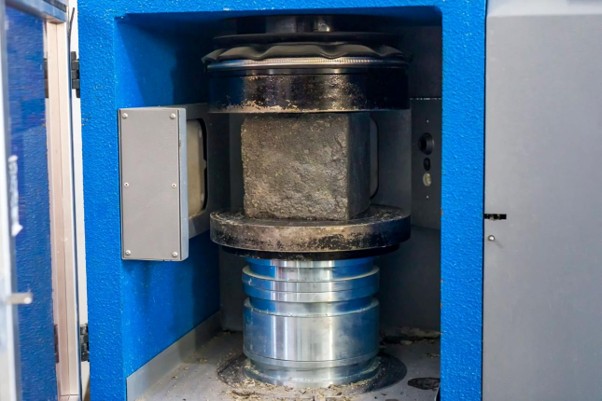
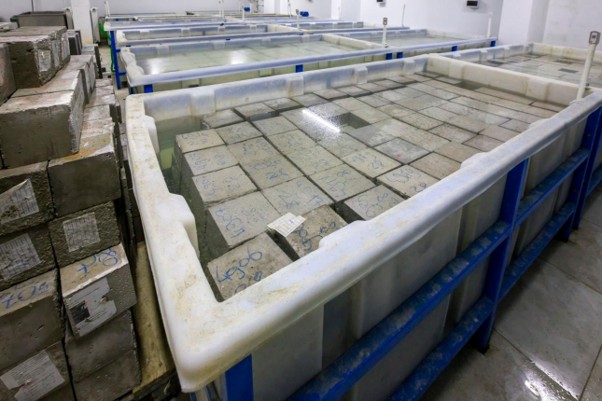
The development of a Concrete Design Mix follows a systematic procedure.
Step 1: Determine Target Strength
The required characteristic strength is identified based on project specifications.
Additional margins are included to account for variations in production.
Step 2: Select Water-Cement Ratio
The water-cement ratio is chosen based on:
- Strength requirements
- Durability needs
- Exposure conditions
This ratio has a major influence on concrete performance.
Step 3: Estimate Water Content
Water content is selected according to:
- Aggregate size
- Desired workability
- Construction method
Step 4: Calculate Cement Content
Cement content is determined using:
- Water content
- Water-cement ratio
The calculated value must satisfy minimum durability requirements.
Step 5: Determine Aggregate Proportions
Fine and coarse aggregate quantities are calculated to achieve:
- Proper grading
- Desired workability
- Strength requirements
Step 6: Conduct Trial Mixes
Laboratory trial mixes are prepared and tested.
Tests typically include:
- Slump test
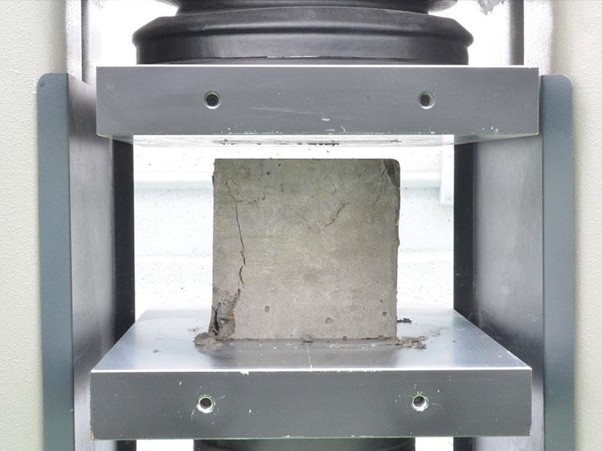
- Compressive strength test
- Workability assessment
Adjustments are made until the desired performance is achieved.
Importance of Water-Cement Ratio in Concrete Design Mix
The water-cement ratio is one of the most important parameters in a Concrete Design Mix.
A lower ratio generally provides:
- Higher strength
- Better durability
- Reduced permeability
However, excessively low water content can reduce workability.
The Concrete Design Mix must balance strength and workability effectively.
Role of Trial Mixes in Concrete Design Mix
Trial mixes help verify that the proposed Concrete Design Mix performs as expected.
Benefits include:
- Strength validation
- Workability evaluation
- Material optimization
- Quality assurance
Trial mixes reduce the risk of construction failures and improve confidence in the final mix design.
Advantages of Concrete Design Mix
Improved Strength Performance
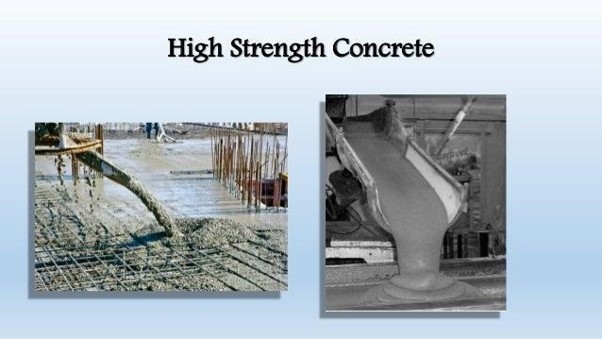
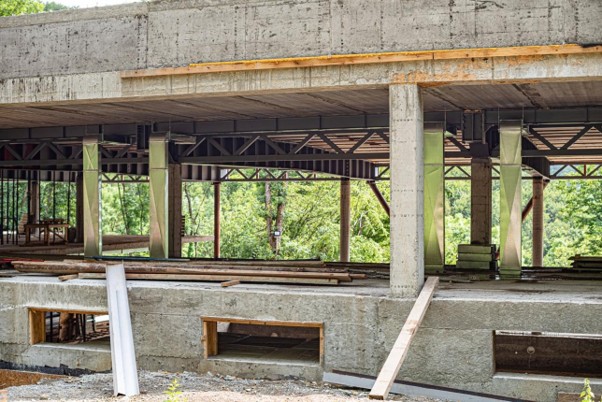
A properly developed Concrete Design Mix consistently achieves target strength requirements.
This improves structural reliability and safety.
Better Durability
Concrete structures become more resistant to:
- Weathering
- Chemical attack
- Corrosion
- Moisture penetration
Material Optimization
The Concrete Design Mix uses materials efficiently, reducing wastage and improving sustainability.
Enhanced Quality Control
Laboratory testing and systematic procedures improve consistency and reliability.
Cost Efficiency
Although mix design requires testing and expertise, overall project costs often decrease due to optimized material usage and improved performance.
Applications of Concrete Design Mix
Concrete Design Mix is used in a wide variety of construction projects.
Residential Construction
Applications include:
- Foundations
- Slabs
- Columns
- Beams
Commercial Buildings
Used for:
- High-rise structures
- Shopping malls
- Office complexes
Infrastructure Projects
Concrete Design Mix is essential for:
- Bridges
- Highways
- Airports
- Dams
Industrial Facilities
Industrial structures require durable and high-performance concrete produced through carefully developed Concrete Design Mix procedures.
Common Mistakes in Concrete Design Mix
Even with proper planning, mistakes can affect results.
Common issues include:
- Incorrect material testing
- Poor aggregate grading
- Excessive water addition
- Inadequate quality control
- Insufficient trial mixes
Avoiding these errors helps ensure the success of a Concrete Design Mix.
Quality Control in Concrete Design Mix
Quality control is essential during both design and production stages.
Important activities include:
- Material testing
- Batch monitoring
- Slump testing
- Strength testing
- Site inspections
Consistent quality control ensures that the Concrete Design Mix performs as intended throughout the project.
Conclusion
A Concrete Design Mix is a scientifically developed approach to producing concrete that meets specific strength, durability, workability, and economic requirements. Unlike traditional nominal mixes, a Concrete Design Mix is tailored to project needs through engineering calculations, laboratory testing, and trial evaluations.
From residential buildings and commercial structures to bridges and industrial facilities, the importance of a properly designed concrete mix cannot be overstated. A well-executed Concrete Design Mix improves structural performance, enhances durability, optimizes material usage, and supports long-term construction quality.
As modern construction projects continue to demand higher standards of performance and sustainability, the role of Concrete Design Mix will become even more critical. By understanding its principles, process, and practical applications, construction professionals can ensure stronger, safer, and more durable structures for the future.
Subscribe to my channel on YouTube to gain access to a wealth of knowledge and expertise that can elevate your understanding of Real Estate, project management concepts, & Construction.
Related Articles: Construction