
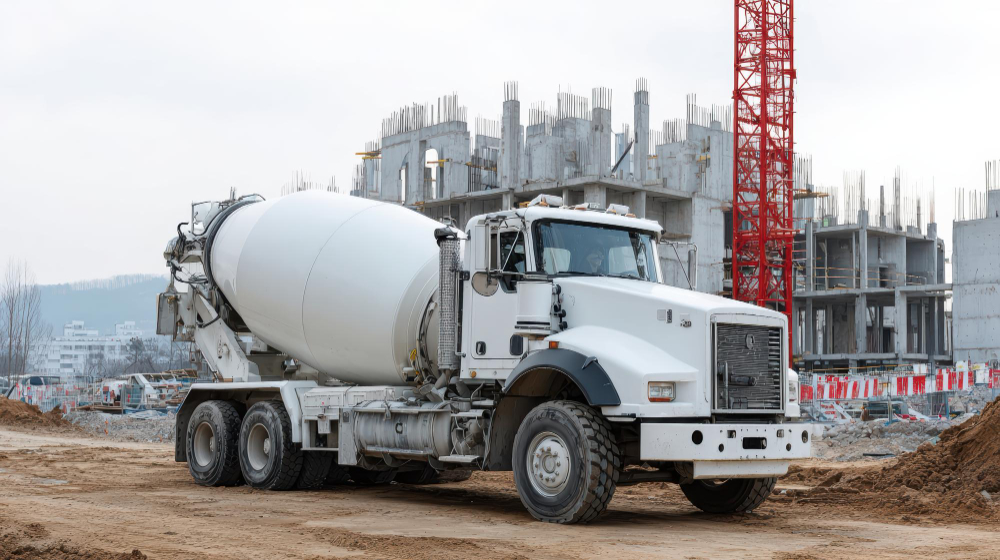
Selecting the right concrete mixer machine for your construction site is a decision that directly impacts productivity, quality of construction, and overall project cost. Whether you are managing a small residential project or a large-scale infrastructure development, the efficiency of your mixing process plays a crucial role in delivering consistent and durable concrete. With a wide range of options available in the market, choosing the right concrete mixer machine can feel overwhelming if you don’t know what to look for.
This guide breaks down everything you need to consider so you can confidently choose a concrete mixer machine that fits your site requirements perfectly.
Understanding the Role of a Concrete Mixer Machine
A concrete mixer machine is used to combine cement, aggregates (sand or gravel), and water to form concrete. The quality of this mix determines the strength and durability of the structure.
On construction sites, a reliable concrete mixer machine ensures:
- Uniform mixing of materials
- Reduction in manual labor
- Faster project execution
- Consistent concrete quality
Choosing the wrong machine can lead to delays, inconsistent mixes, and increased costs, which is why this decision must be made carefully.
Types of Concrete Mixer Machines
Before selecting a concrete mixer machine, it’s important to understand the different types available.
-
Drum Concrete Mixer Machine
This is the most commonly used type on construction sites.
- Works by rotating a drum to mix materials
- Suitable for small to medium projects
- Easy to operate and maintain
- Available in tilting and non-tilting variants
-
Pan Concrete Mixer Machine
This type uses a stationary pan with rotating blades.
- Produces highly uniform mixes
- Ideal for precast concrete and high-quality work
- Suitable for tiles, blocks, and pavers
-
Twin Shaft Concrete Mixer Machine
Used in large-scale construction projects.
- Provides fast and uniform mixing
- Handles large volumes efficiently
- Common in ready-mix concrete plants
-
Continuous Concrete Mixer Machine
- Used where continuous supply of concrete is required
- Suitable for road construction and large infrastructure projects
Understanding these types helps you narrow down the right concrete mixer machine based on your project scale and quality requirements.
Key Factors to Consider When Choosing a Concrete Mixer Machine
-
Project Size and Volume Requirements
One of the first things to evaluate is how much concrete you need to produce daily.
- Small projects: 100–250 liters capacity
- Medium projects: 250–500 liters
- Large projects: 500 liters and above
Choosing a concrete mixer machine with insufficient capacity will slow down your work, while an oversized machine may increase unnecessary costs.
-
Type of Construction Work
Different projects require different mixing qualities.
- Residential buildings: Standard drum mixers are sufficient
- Infrastructure projects: High-capacity mixers are preferred
- Precast work: Pan mixers ensure better quality
Always match the concrete mixer machine to the nature of your construction work.
-
Mobility Requirements
Consider whether your site requires movement of the machine.
- Portable mixers: Ideal for small sites and frequent relocation
- Stationary mixers: Suitable for fixed setups like batching plants
If your project involves multiple locations, a mobile concrete mixer machine will save time and effort.
-
Power Source
Concrete mixer machines are available in different power options.
- Electric mixers: Suitable for sites with reliable power supply
- Diesel mixers: Ideal for remote locations
- Petrol mixers: Used for small-scale work
Choose a concrete mixer machine based on the availability of power at your site.
-
Mixing Speed and Efficiency
Time is money in construction. A faster mixing machine increases productivity.
- Check RPM (rotations per minute)
- Look for uniform mixing capability
- Ensure quick discharge mechanism
An efficient concrete mixer machine reduces cycle time and improves overall site performance.
-
Build Quality and Durability
Construction sites are tough environments. Your concrete mixer machine should be built to withstand heavy usage.
- Strong drum material
- Corrosion-resistant coating
- Heavy-duty frame
Investing in a durable concrete mixer machine ensures long-term performance and fewer breakdowns.
-
Ease of Operation
A complex machine can slow down work and increase dependency on skilled labor.
Look for:
- Simple controls
- Easy loading and unloading
- Minimal training requirements
An easy-to-use concrete mixer machine improves efficiency on site.
-
Maintenance and Spare Parts Availability
Frequent breakdowns can halt your project.
Before purchasing a concrete mixer machine:
- Check service support availability
- Ensure spare parts are easily accessible
- Look for low maintenance requirements
A machine that is easy to maintain will reduce downtime and costs.
-
Budget and Cost Considerations
While price is important, it should not be the only deciding factor.
Consider:
- Initial cost
- Operating cost
- Maintenance cost
- Fuel or electricity consumption
Sometimes, a slightly expensive concrete mixer machine offers better long-term value due to higher efficiency and durability.
-
Safety Features
Safety should never be compromised on construction sites.
Look for:
- Protective covers
- Emergency stop buttons
- Stable structure
A safe concrete mixer machine protects workers and prevents accidents.
Common Mistakes to Avoid
Many contractors make errors while selecting a concrete mixer machine. Avoid these pitfalls:
- Choosing based only on price
- Ignoring capacity requirements
- Overlooking maintenance needs
- Not considering site conditions
- Buying without checking after-sales support
Avoiding these mistakes can save you both time and money.
Benefits of Choosing the Right Concrete Mixer Machine
When you choose the right concrete mixer machine, you gain several advantages:
- Consistent concrete quality
- Faster project completion
- Reduced labor dependency
- Lower operational costs
- Improved structural strength
A well-selected concrete mixer machine becomes an asset rather than an expense.
Tips for Maximizing Efficiency of Your Concrete Mixer Machine
Once you select the right concrete mixer machine, proper usage is key.
- Always maintain correct material ratios
- Avoid overloading the mixer
- Clean the drum after every use
- Perform regular maintenance checks
- Train workers for proper handling
These practices ensure your concrete mixer machine performs at its best.
Latest Trends in Concrete Mixer Machines
The construction industry is evolving, and so are mixing technologies.
Modern concrete mixer machines now come with:
- Automation features
- Digital control panels
- Improved energy efficiency
- Reduced noise levels
- Advanced mixing technology
Staying updated with these trends can help you choose a future-ready concrete mixer machine.
Summary
Choosing the right concrete mixer machine is not just about buying equipment—it’s about making a strategic decision that affects the success of your construction project. From understanding different types to evaluating capacity, mobility, power source, and maintenance needs, every factor plays a role in selecting the ideal machine.
A well-chosen concrete mixer machine ensures consistent concrete quality, faster execution, and reduced operational challenges. On the other hand, a poor choice can lead to delays, increased costs, and compromised structural integrity.
Take the time to assess your project requirements, compare options carefully, and invest in a concrete mixer machine that aligns with your long-term goals. When selected wisely, it becomes one of the most valuable assets on your construction site, driving both efficiency and profitability.
Subscribe to my channel on YouTube to gain access to a wealth of knowledge and expertise that can elevate your understanding of Real Estate, project management concepts, & Construction.
Related Articles: Construction