
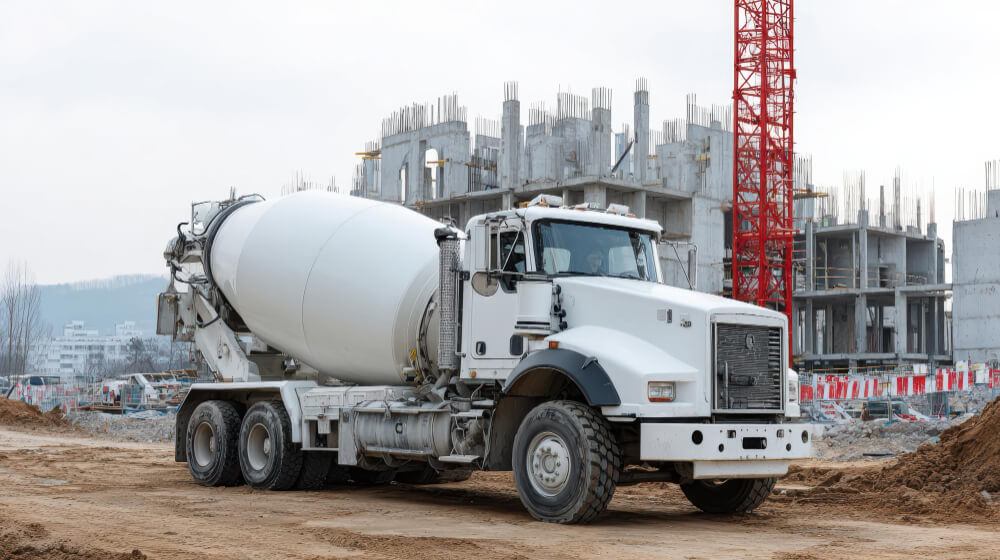
Modern construction projects demand precision, efficiency, and consistency in every stage of execution. One of the most critical components that ensures the strength and durability of any structure is the quality of concrete used. This is where Cement Mixers play a vital role. From small residential buildings to large-scale infrastructure developments, Cement Mixers are indispensable machines that ensure uniform mixing of cement, aggregates, and water.
In today’s construction landscape, various types of Cement Mixers are used depending on the scale, complexity, and specific requirements of the project. Each type is designed to deliver optimal performance under different conditions, making it essential for contractors and engineers to understand their features and applications.
What Are Cement Mixers and Why Are They Important?
Cement Mixers are machines used to combine cement, sand, aggregates, and water into a homogeneous mixture. The primary goal is to achieve consistency and strength in concrete, which directly affects the structural integrity of any construction project.
The importance of Cement Mixers can be understood through the following key benefits:
- Ensures uniform mixing of materials
- Reduces manual labor and human error
- Speeds up construction timelines
- Improves overall quality control
- Minimizes material wastage
As construction standards become more demanding, the use of advanced Cement Mixers has become essential rather than optional.
Major Classification of Cement Mixers
Cement Mixers are broadly classified into two main categories based on their working mechanism and output requirements.
-
Batch Cement Mixers:
- Produce concrete in fixed quantities per cycle
- Suitable for small to medium-scale projects
- Offer better control over mix proportions
- Ideal for projects requiring different mix designs
-
Continuous Cement Mixers:
- Operate without interruption
- Provide a constant supply of concrete
- Suitable for large-scale infrastructure projects
- Reduce downtime between mixing cycles
Understanding this classification helps in selecting the right type of Cement Mixers based on project size and operational needs.
1. Drum Cement Mixers
Drum Cement Mixers are among the most widely used types in construction due to their simplicity and efficiency. These mixers consist of a rotating drum that mixes concrete ingredients thoroughly as it spins.
Key features and applications:
- Simple design and easy to operate
- Available in portable and stationary versions
- Suitable for small to medium-scale projects
- Cost-effective compared to advanced mixers
- Commonly used in residential construction
2. Pan Cement Mixers
Pan Cement Mixers are designed with a stationary circular pan and rotating blades that ensure thorough mixing. These mixers are known for delivering high-quality and uniform concrete, especially for specialized applications.
Key features and applications:
- High mixing precision and consistency
- Suitable for stiff and complex mixes
- Ideal for precast and industrial use
- Better control over mixing process
- Used in high-strength concrete production
3. Twin-Shaft Cement Mixers
Twin-shaft Cement Mixers are high-performance machines designed for large-scale construction projects. They feature two horizontal shafts rotating in opposite directions, ensuring rapid and uniform mixing.
Key features and applications:
- High efficiency and fast mixing
- Suitable for large volume production
- Ensures homogeneous concrete output
- Ideal for infrastructure projects
- Common in ready-mix concrete plants
4. Planetary Cement Mixers
Planetary Cement Mixers operate using a vertical shaft system where blades rotate in a planetary motion. This ensures that the entire mix is evenly blended with high precision.
Key features and applications:
- Compact and space-efficient design
- Uniform mixing with minimal segregation
- Energy-efficient operation
- Suitable for decorative concrete products
- Widely used in precast industries
5. Self-Loading Cement Mixers
Self-loading Cement Mixers are advanced machines that integrate multiple functions into a single unit. They can load raw materials, mix concrete, transport it, and discharge it at the site.
Key features and applications:
- Combines loading, mixing, and transport
- Highly mobile and flexible
- Reduces need for additional machinery
- Ideal for remote and small sites
- Saves time and operational costs
6. Concrete Mixer Trucks
Concrete mixer trucks, also known as transit mixers, are essential for transporting ready-mix concrete from batching plants to construction sites. They maintain the consistency of concrete during transit.
Key features and applications:
- Rotating drum prevents concrete setting
- Large carrying capacity
- Ensures fresh concrete delivery
- Suitable for urban construction
- Used in large commercial projects
7. Continuous Cement Mixers
Continuous Cement Mixers are designed to provide a constant supply of concrete without interruption. These machines are ideal for high-volume construction activities.
Key features and applications:
- Continuous and uninterrupted output
- High productivity and efficiency
- Reduces batching delays
- Suitable for large infrastructure works
- Ideal for highways and dams
8. Volumetric Cement Mixers
Volumetric Cement Mixers measure and mix concrete ingredients directly on-site, allowing flexibility in mix design and quantity.
Key features and applications:
- On-demand concrete production
- Reduces material wastage
- Allows mix customization
- Ideal for remote or variable projects
- Useful for repair and maintenance work
Factors to Consider When Choosing Cement Mixers
Selecting the right Cement Mixers is crucial for ensuring project efficiency and quality. Several factors must be considered before making a decision:
- Project size and scale
- Required output capacity
- Type of concrete mix needed
- Site conditions and accessibility
- Budget and operational costs
Choosing the appropriate Cement Mixers based on these factors can significantly impact project timelines and overall performance.
Advantages of Using Modern Cement Mixers
Modern Cement Mixers offer several advantages that enhance construction efficiency and quality. These machines help reduce manual effort while ensuring consistent mixing and improved productivity.
Key advantages include:
- Faster construction timelines
- Improved concrete consistency
- Reduced labor dependency
- Better quality control
- Optimized material usage
Challenges and Limitations
Despite their numerous benefits, Cement Mixers also present certain challenges that must be addressed during project planning and execution.
Key limitations include:
- High initial investment
- Maintenance requirements
- Energy consumption in large machines
- Requirement of skilled operators
Summary
Cement Mixers have become an essential component of modern construction, ensuring the quality, consistency, and durability of concrete used in projects. From simple drum mixers to advanced twin-shaft and volumetric systems, each type of Cement Mixers serves a specific purpose based on project requirements.
By understanding the different types of Cement Mixers and their applications, construction professionals can make informed decisions that improve efficiency, reduce costs, and enhance overall project outcomes. As technology continues to evolve, Cement Mixers will play a key role in shaping the future of construction through innovation and sustainability.
Subscribe to my channel on YouTube to gain access to a wealth of knowledge and expertise that can elevate your understanding of Real Estate, project management concepts, & Construction.
Related Articles: Construction