Concrete is the foundation—both literally and figuratively—of modern infrastructure. From skyscrapers and bridges to residential homes and sidewalks, concrete is a vital construction material. However, the strength, durability, and performance of concrete rely heavily on getting one key component right: the ratio for concrete mix.
An incorrect mix can lead to cracks, reduced lifespan, and even structural failure, while the right ratio ensures long-lasting, safe, and cost-effective construction. In this detailed guide, we explore what the ideal ratio for concrete mix looks like, how to determine it, and its impact on your construction project.
Concrete is the foundation—both literally and figuratively—of modern infrastructure. From skyscrapers and bridges to residential homes and sidewalks, concrete is a vital construction material. However, the strength, durability, and performance of concrete rely heavily on getting one key component right: the ratio for concrete mix.
An incorrect mix can lead to cracks, reduced lifespan, and even structural failure, while the right ratio ensures long-lasting, safe, and cost-effective construction. In this detailed guide, we explore what the ideal ratio for concrete mix looks like, how to determine it, and its impact on your construction project.
Why the Ratio for Concrete Mix Matters
The ratio for concrete mix refers to the proportion of the main ingredients used to prepare concrete: cement, sand, aggregates (gravel or crushed stone), and water. The right combination of these elements ensures the desired strength, workability, setting time, and durability. A balanced mix ensures: Structural Integrity: Supports the load and withstands external stress. Durability: Resists environmental factors like rain, wind, and chemicals. Workability: Allows ease in placement and compaction during construction.
Components of a Standard Concrete Mix
Before delving into the ratios, let’s understand the key ingredients in a concrete mix:
- Cement: Acts as a binder to hold other materials together.
- Fine Aggregates (Sand): Fills the voids and helps in smooth mixing.
- Coarse Aggregates (Gravel or Crushed Stone): Adds strength and volume. 4. Water: Initiates the chemical reaction for setting and hardening.
Optional additives include: Admixtures for setting control or waterproofing. Fly ash or slag for enhanced workability and sustainability.
Common Ratios for Concrete Mix in Construction
Different projects require different concrete grades, and therefore different mix ratios. Here are the commonly used ratios based on strength requirements:
1. Nominal Mix Ratios (for general-purpose construction):
M5 (1:5:10): Weak mix for non-load-bearing works like leveling. M7.5 (1:4:8): For pathways or sub-layers. M10 (1:3:6): Used for simple floorings or non-structural walls. M15 (1:2:4): Often used in plain cement concrete (PCC) for footpaths, flooring. M20 (1:1.5:3): Most commonly used for RCC (Reinforced Cement Concrete) in domestic construction.
2. Standard Mix Ratios (used for structural elements):
M25 (1:1:2): Suitable for beams, columns, and slabs. M30 and above: Designed mix based on laboratory tests for major infrastructure. These ratios are expressed in the format: Cement:Sand:Aggregate.
The Ideal Ratio for Concrete Mix Based on Purpose
Residential Construction
For residential buildings, M20 is the go-to choice due to its balance of strength and cost-effectiveness. It provides adequate compressive strength (20 MPa) for typical home loads.
Foundations and Footings
Foundations require higher strength. M25 or even M30 is suitable for footings, especially in multi-story buildings.
Roads and Pavements
For heavy load-bearing structures like roads, M30 to M40 mix ratios are ideal. These are generally design mixes rather than nominal mixes.
Factors Influencing the Right Ratio for Concrete Mix
Even when standard ratios are used, several external and project-specific factors can influence the actual mix requirements.
1. Load-bearing Requirements
Heavier structures demand higher strength and thus a lower water-to-cement ratio.
2. Environmental Conditions
In coastal or chemically aggressive environments, additives may be required, and the cement content might need to be increased.
3. Workability Needs
For manually placed concrete, a higher water-cement ratio is needed for flow. But it should be controlled to avoid weakening the concrete.
4. Aggregate Quality and Size
Larger aggregates reduce cement requirement but can reduce workability. Angular aggregates give stronger concrete than round ones.
5. Water-Cement Ratio
This is critical. The water-cement ratio must usually be between 0.4 to 0.6. Lower ratios lead to higher strength but poor workability.
How to Calculate the Ratio for Concrete Mix
Step 1: Determine Grade of Concrete
Identify the grade based on structural needs. For instance, M20 means 20 MPa compressive strength.
Step 2: Use the Standard Ratio
E.g., M20 = 1:1.5:3 (Cement:Sand:Aggregate)
Step 3: Convert into Weights
Assuming total dry volume of concrete = 1.54 m³ (includes shrinkage factor): Cement = (1/5.5) × 1.54 = 0.28 m³ Cement in kg = 0.28 × 1440 = ~403 kg Sand = (1.5/5.5) × 1.54 = 0.42 m³ Aggregate = (3/5.5) × 1.54 = 0.84 m³ Water = 0.5 × cement = 201.5 kg ≈ 201.5 liters This calculation helps in batching by weight for more accurate results.
Importance of Trial Mixes
Before large-scale application, a trial mix should be prepared and tested for: Slump test (for workability) Compression test (for strength) Curing behavior This ensures that the chosen ratio for concrete mix aligns with site requirements.
Mistakes to Avoid When Choosing the Ratio for Concrete Mix
- Overwatering: Reduces strength and causes cracks.
- Ignoring Admixtures: These can dramatically improve performance.
- Using Poor Quality Aggregates: Reduces bonding and durability.
- Neglecting Weather Conditions: High heat or cold can alter setting time. Avoid relying solely on bag mixes or guesswork. Even small misjudgments can lead to huge cost overruns or safety issues.
Advanced Tips for Perfecting Your Concrete Mix
- Use plasticizers or superplasticizers to reduce water without affecting workability.
- – Add fibers (glass or steel) to improve tensile strength and reduce cracking.
- – Cure adequately for at least 7 days to reach optimal strength.
- – Store materials properly to avoid moisture in sand or aggregates which can throw off proportions.
Sustainable Considerations in Concrete Mix Ratios
As environmental concerns rise, so does the push for green concrete mixes. You can enhance sustainability without compromising on strength by:
– Replacing part of cement with fly ash or slag
– Using recycled aggregates
– Lowering cement content via optimized gradation
Still, the ratio for concrete mix should be adjusted scientifically to ensure performance.
In a nutshell
Choosing the right ratio for concrete mix is more than a technical requirement—it’s the backbone of your construction’s success. Whether you’re building a home, laying a foundation, or working on infrastructure, a well-calibrated concrete mix directly impacts safety, durability, and cost-efficiency. Understanding standard ratios, adjusting based on specific conditions, and running trial mixes are all crucial steps in the process.
With concrete being such a ubiquitous and essential material, mastering its proportions is one of the most important skills in construction project planning. Make no compromises when it comes to the ratio for concrete mix—because the future strength of your structure depends on what you mix today.
Subscribe to my channel on YouTube to gain access to a wealth of knowledge and expertise that can elevate your understanding of Real Estate, project management concepts, & Construction.
Related Articles:
Construction

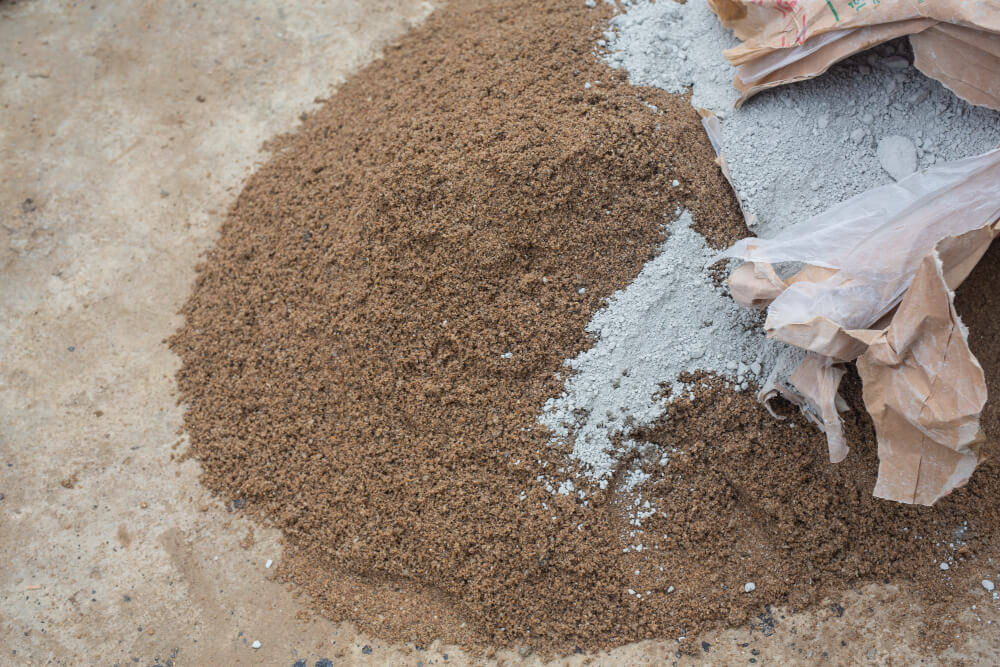 Concrete is the foundation—both literally and figuratively—of modern infrastructure. From skyscrapers and bridges to residential homes and sidewalks, concrete is a vital construction material. However, the strength, durability, and performance of concrete rely heavily on getting one key component right: the ratio for concrete mix.
An incorrect mix can lead to cracks, reduced lifespan, and even structural failure, while the right ratio ensures long-lasting, safe, and cost-effective construction. In this detailed guide, we explore what the ideal ratio for concrete mix looks like, how to determine it, and its impact on your construction project.
Concrete is the foundation—both literally and figuratively—of modern infrastructure. From skyscrapers and bridges to residential homes and sidewalks, concrete is a vital construction material. However, the strength, durability, and performance of concrete rely heavily on getting one key component right: the ratio for concrete mix.
An incorrect mix can lead to cracks, reduced lifespan, and even structural failure, while the right ratio ensures long-lasting, safe, and cost-effective construction. In this detailed guide, we explore what the ideal ratio for concrete mix looks like, how to determine it, and its impact on your construction project.