
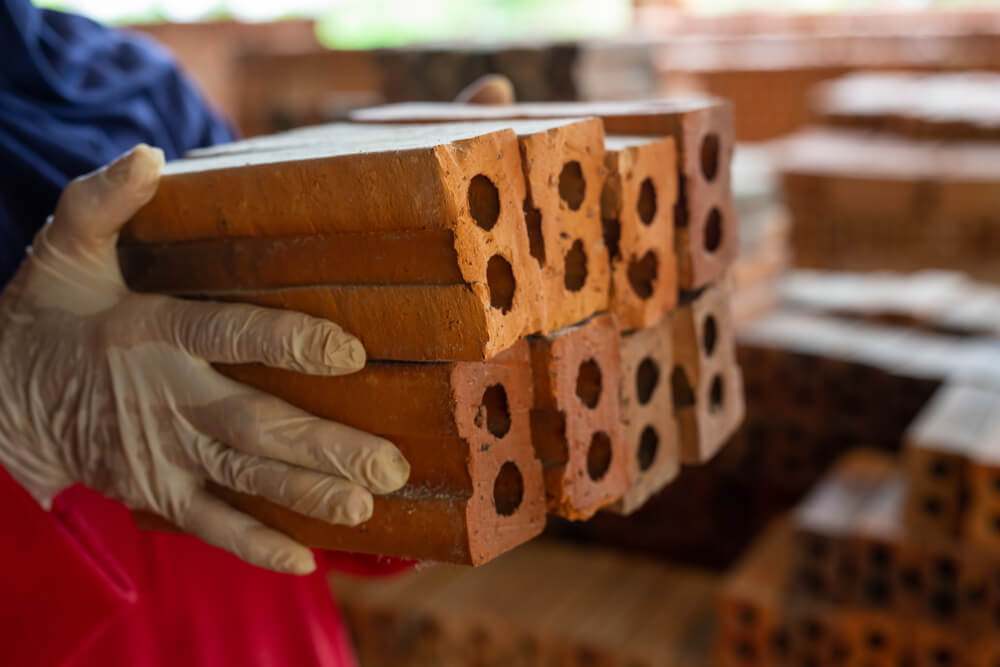
Refractory Bricks play a crucial role in modern construction, especially in projects where extreme heat resistance is required. Unlike ordinary clay bricks, these specialized bricks are designed to withstand very high temperatures, chemical reactions, and mechanical stress without losing their structural integrity. Because of these unique characteristics, Refractory Bricks are widely used in industrial construction, thermal systems, and fire-resistant structures.
With the increasing demand for durable and energy-efficient materials, Refractory Bricks have become an essential component in both industrial and residential construction. This article explores what Refractory Bricks are, their composition, properties, types, advantages, and their applications in construction.
What Are Refractory Bricks?
Refractory Bricks, commonly referred to as fire bricks, are specially manufactured bricks that can withstand extremely high temperatures without cracking, melting, or losing strength. These bricks are primarily used in environments where conventional bricks fail due to excessive heat exposure.
They are designed to retain their shape and performance even when exposed to temperatures exceeding 1000°C. This makes Refractory Bricks highly suitable for applications such as furnaces, kilns, fireplaces, and industrial heating systems.
In simple terms, Refractory Bricks are heat-resistant building materials that offer durability, insulation, and chemical stability in extreme conditions.
Composition of Refractory Bricks
The performance of Refractory Bricks depends largely on their composition. These bricks are made using high-quality raw materials that can endure intense heat and chemical exposure.
The key materials used include alumina, which enhances strength and heat resistance; silica, which improves insulation and thermal performance; magnesia, which provides resistance to chemical corrosion; chromite, which increases durability; and zirconia, which improves resistance to sudden temperature changes.
The combination and proportion of these materials determine the specific type and application of Refractory Bricks.
Key Properties of Refractory Bricks
Refractory Bricks are known for their exceptional properties, which make them suitable for high-temperature applications.
- High temperature resistance allows Refractory Bricks to withstand temperatures ranging from 1000°C to over 2000°C without deforming
- Low thermal conductivity helps in reducing heat loss and improving energy efficiency in thermal systems
- Thermal shock resistance enables the bricks to handle sudden temperature changes without cracking
- Chemical resistance protects the bricks from damage caused by acids, alkalis, and molten substances
- High mechanical strength ensures that the bricks can bear heavy loads and maintain structural stability
- High fusion point prevents the bricks from melting even under extreme heat conditions
- Dimensional stability ensures that the shape and size of Refractory Bricks remain consistent during heating and cooling cycles
Types of Refractory Bricks
Refractory Bricks are categorized based on their chemical composition and their behavior in different environments.
- Acidic Refractory Bricks are mainly composed of silica and are resistant to acidic conditions, making them ideal for glass furnaces and coke ovens
- Basic Refractory Bricks are made from materials like magnesia and dolomite and are resistant to alkaline environments, commonly used in steel manufacturing
- Neutral Refractory Bricks are composed of materials such as alumina and chromite and can resist both acidic and basic conditions, making them versatile
- Insulating Refractory Bricks are lightweight and porous, designed primarily to provide thermal insulation rather than structural strength
- High Alumina Bricks contain a high percentage of alumina and are suitable for applications involving extremely high temperatures
- Fireclay Bricks are made from refractory clay and are commonly used in moderate heat applications due to their cost-effectiveness
Manufacturing Process of Refractory Bricks
The manufacturing process of Refractory Bricks involves multiple stages to ensure high quality and performance.
The process begins with the selection of raw materials, followed by crushing and mixing them into a uniform composition. The mixture is then shaped into bricks using moulds. After shaping, the bricks are dried to remove moisture and then fired in kilns at high temperatures.
This firing process is crucial as it enhances the strength, durability, and heat resistance of the Refractory Bricks.
Where Are Refractory Bricks Used in Construction?
Refractory Bricks are widely used in areas where high temperature resistance is required. Their applications extend across both industrial and residential construction.
In industrial settings, Refractory Bricks are commonly used in furnaces and kilns, where they serve as lining materials to withstand intense heat. They are also used in boilers to maintain high operating temperatures and improve efficiency.
In construction, chimneys are often built using Refractory Bricks to ensure safety and durability under continuous heat exposure. In residential spaces, these bricks are used in fireplaces, pizza ovens, and barbecue grills.
Refractory Bricks are also essential in industries such as steel manufacturing, cement production, and glass manufacturing, where they are used in high-temperature processing units. Additionally, petrochemical plants rely on these bricks for reactors and equipment exposed to extreme thermal and chemical conditions.
Advantages of Using Refractory Bricks
Refractory Bricks offer several benefits that make them a preferred choice in high-temperature construction.
- Excellent heat resistance ensures long-term performance even in extreme conditions
- Long service life reduces the need for frequent replacements
- Energy efficiency is improved due to their insulating properties
- High resistance to chemical corrosion increases durability in harsh environments
- Reduced maintenance costs make them cost-effective over time
- Improved safety in structures exposed to fire or high heat
- Ability to maintain structural integrity under thermal stress
Difference Between Refractory Bricks and Regular Bricks
Refractory Bricks and regular bricks differ significantly in terms of performance and application.
- Refractory Bricks are designed to withstand extremely high temperatures, while regular bricks are suitable only for normal environmental conditions
- Refractory Bricks are made from materials like alumina, silica, and magnesia, whereas regular bricks are made from clay
- Refractory Bricks are used in furnaces, kilns, and fireplaces, while regular bricks are used in walls, buildings, and general construction
- Refractory Bricks have superior durability in high-temperature environments, whereas regular bricks tend to crack or weaken under heat
- The cost of Refractory Bricks is higher, but they provide long-term value in specialized applications
Importance of Refractory Bricks in Modern Construction
Refractory Bricks have become increasingly important in modern construction due to growing safety standards and energy efficiency requirements.
With rapid industrialization, there is a higher demand for materials that can withstand extreme conditions. Refractory Bricks help improve fire safety, enhance energy efficiency, and increase the durability of high-temperature systems.
They are also contributing to sustainable construction by reducing energy loss and improving operational efficiency in industries.
Summary
Refractory Bricks are an essential material in construction where high temperature resistance and durability are critical. Their unique composition, strong thermal properties, and resistance to chemical and mechanical stress make them indispensable across various industries and applications.
From furnaces and kilns to chimneys and residential fireplaces, Refractory Bricks ensure safety, efficiency, and long-term performance. Although they come at a higher cost, their durability and performance make them a valuable investment.
As construction technologies continue to evolve, the demand for Refractory Bricks is expected to grow, making them a key material in modern infrastructure and engineering projects.
Subscribe to my channel on YouTube to gain access to a wealth of knowledge and expertise that can elevate your understanding of Real Estate, project management concepts, & Construction.
Related Articles: Construction