
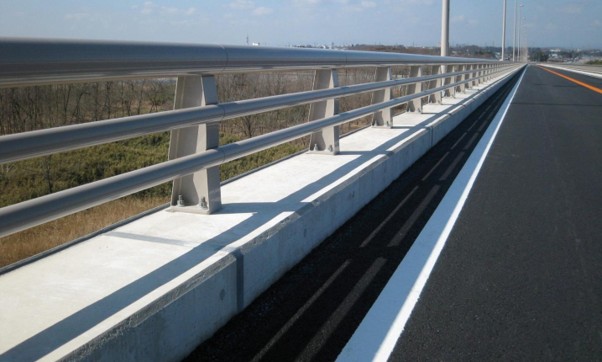
Bridges are vital components of transportation infrastructure, connecting communities, supporting economic development, and enabling the safe movement of people and vehicles. While much attention is often given to bridge decks, foundations, and structural systems, one equally important element is the Railing Bridge system. A bridge railing is more than just a protective barrier—it is a critical safety feature that helps prevent accidents, protects pedestrians and vehicles, and enhances the overall functionality and appearance of a bridge.
In modern bridge engineering, a Railing Bridge system is designed to withstand impact forces, guide vehicles safely, provide fall protection for pedestrians, and comply with stringent engineering standards. Whether used on highway bridges, railway overpasses, pedestrian bridges, or urban flyovers, bridge railings play a crucial role in ensuring public safety.
This guide explains what a Railing Bridge system is, its design principles, purpose, construction process, types, materials, applications, and maintenance requirements.
What Is a Railing Bridge?
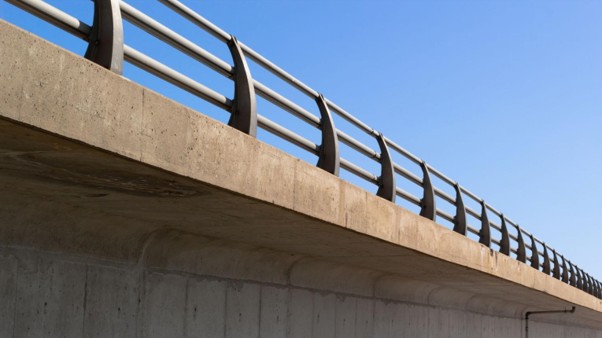

A Railing Bridge refers to a bridge equipped with specially designed railings or barrier systems installed along its edges to improve safety and protect bridge users. These railings are intended to prevent vehicles, cyclists, and pedestrians from accidentally leaving the bridge while also helping redirect vehicles during collisions. Modern bridge railings are engineered to meet crash-performance and safety standards appropriate for the bridge’s intended use.
A typical Railing Bridge system performs several important functions:
- Prevents vehicles from leaving the bridge deck
- Protects pedestrians and cyclists
- Improves overall bridge safety
- Enhances structural aesthetics
- Provides edge protection
Today, almost every road bridge includes a carefully engineered railing system based on traffic volume, vehicle speed, bridge type, and safety requirements.
Why Is a Railing Bridge Important?
The primary purpose of a Railing Bridge is to improve user safety.
Bridge railings help:
- Reduce the severity of accidents
- Redirect errant vehicles
- Prevent falls from bridge edges
- Separate pedestrian and vehicular traffic where required
- Improve user confidence
Without properly designed bridge railings, even minor driving errors could result in severe accidents.
As bridge traffic continues to increase, the importance of effective railing systems has become greater than ever.
Key Components of a Railing Bridge System
A typical Railing Bridge consists of several components working together.
These include:
- Posts
- Rails
- Handrails
- Anchor systems
- Base plates
- Expansion connections
Each component contributes to the strength and performance of the railing system.
The design varies depending on whether the bridge is intended for vehicles, pedestrians, cyclists, or mixed traffic.
Types of Railing Bridge Systems
Several types of Railing Bridge systems are used in modern construction.
1. Concrete Bridge Railings
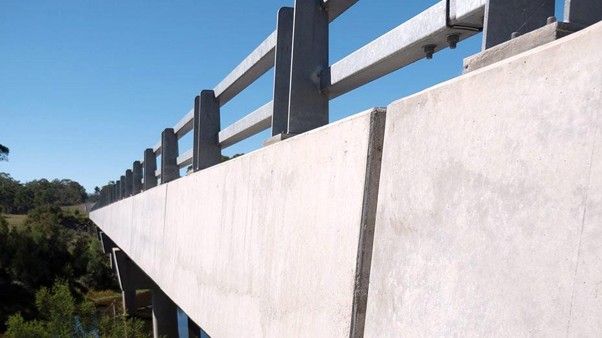
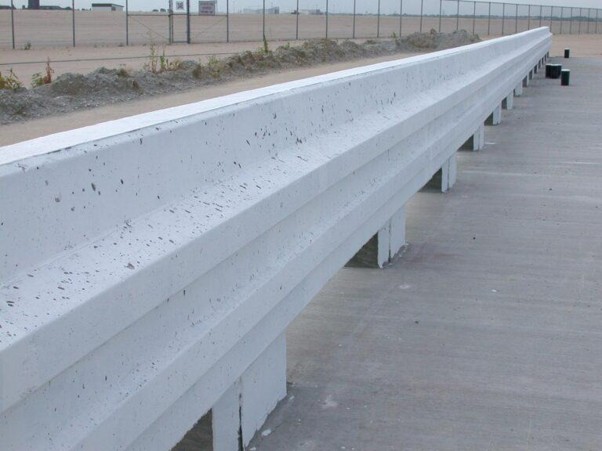
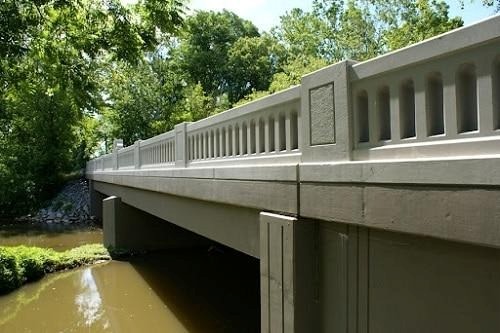
Concrete railings are among the most commonly used systems for highway bridges.
Features include:
- High impact resistance
- Long service life
- Low maintenance
- Excellent durability
Applications:
- Highways
- Expressways
- Urban flyovers
Concrete railings are especially suitable for bridges carrying heavy traffic.
2. Steel Bridge Railings
Steel railings are widely used because of their strength and versatility.
Advantages include:
- High structural strength
- Lightweight construction
- Easy fabrication
- Modern appearance
Applications include:
- Road bridges
- Pedestrian bridges
- Railway bridges
Steel railings are often galvanized or coated to improve corrosion resistance.
3. Combination Railings
Combination railings are designed to protect both vehicles and pedestrians.
Features include:
- Vehicle containment barriers
- Pedestrian handrails
- Enhanced safety
These systems are commonly used on bridges that accommodate both traffic and footpaths.
4. Pedestrian Railings
Pedestrian railings focus primarily on user safety rather than vehicle containment.
Benefits include:
- Fall protection
- Comfortable hand support
- Improved accessibility
They are commonly installed on:
- Footbridges
- Parks
- Walkways
- Cycle bridges
5. Cable Railings
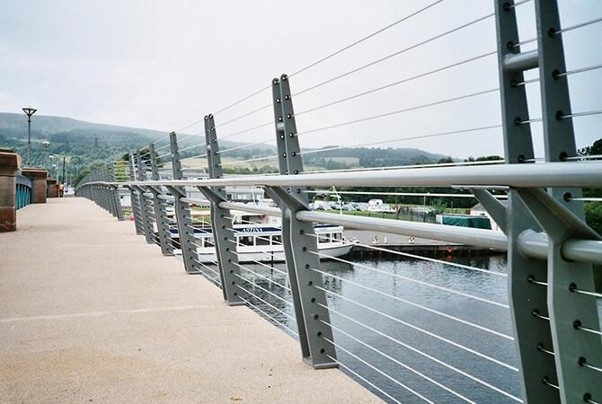
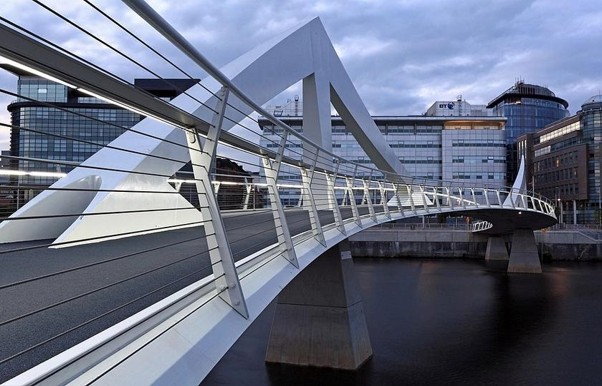

Cable railing systems are becoming increasingly popular in modern bridge architecture.
Advantages include:
- Contemporary appearance
- Minimal obstruction of views
- Corrosion-resistant materials
- Lightweight design
Cable railings are frequently used for:
- Pedestrian bridges
- Scenic walkways
- Urban landscape projects
Materials Used in Railing Bridge Construction
The material selection for a Railing Bridge depends on safety, durability, environmental conditions, and maintenance requirements.
Common materials include:
Reinforced Concrete
Benefits:
- Exceptional durability
- High strength
- Minimal maintenance
Structural Steel
Advantages:
- Excellent load capacity
- Easy fabrication
- High flexibility
Stainless Steel
Suitable for:
- Coastal environments
- Decorative bridges
- Premium infrastructure projects
Aluminum
Advantages include:
- Lightweight
- Corrosion resistance
- Low maintenance
Material selection should balance performance, aesthetics, and lifecycle costs.
Design Considerations for a Railing Bridge
Bridge railing design involves careful engineering analysis.
Important design factors include:
Safety Performance
The railing must safely contain or redirect vehicles during collisions.
Crash testing and engineering standards are commonly used to validate performance.
Bridge Type
The design varies depending on whether the bridge is:
- Highway bridge
- Railway bridge
- Pedestrian bridge
- Flyover
- Footbridge
Traffic Conditions
Traffic volume influences railing strength requirements.
Higher traffic volumes generally require more robust railing systems.
Environmental Exposure
Designers consider:
- Coastal corrosion
- Heavy rainfall
- Temperature variations
- Pollution
Environmental conditions influence material selection and protective coatings.
Aesthetic Requirements
Bridge railings contribute significantly to visual appeal.
Architectural bridges often incorporate decorative railing designs that complement the overall structure.
Construction Process of a Railing Bridge
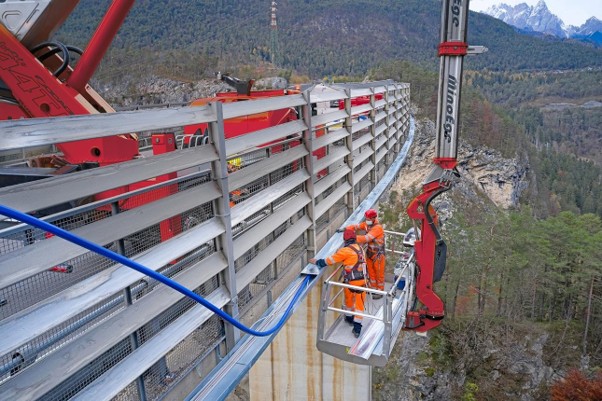
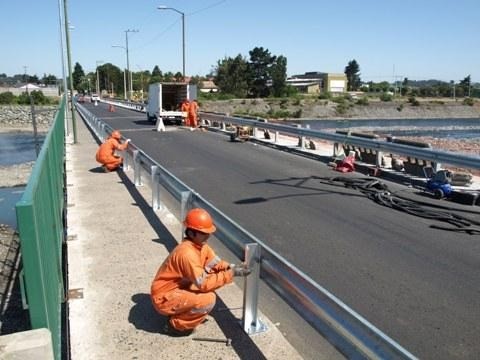
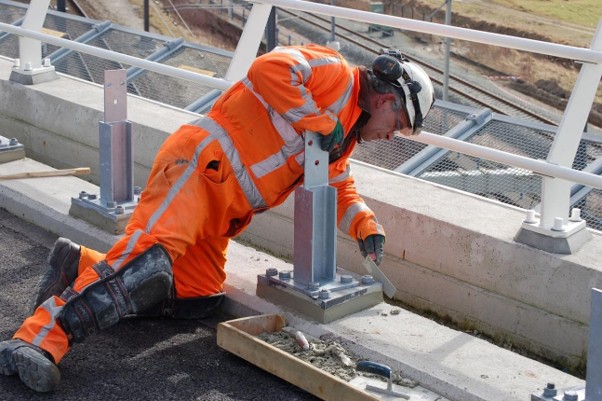
Installing a Railing Bridge system involves several important stages.
Site Preparation
Before installation begins:
- Bridge deck alignment is verified.
- Surface preparation is completed.
- Construction drawings are reviewed.
Marking and Layout
Engineers mark:
- Post locations
- Expansion joints
- Anchor positions
Accurate layout ensures proper railing alignment.
Foundation and Anchoring
Depending on the railing type:
- Anchor bolts are installed.
- Reinforcement may be provided.
- Concrete foundations are prepared if necessary.
Strong anchoring is essential for structural performance.
Installation of Posts
Posts are positioned according to design specifications.
Proper spacing ensures adequate load distribution.
Rail Installation
Horizontal rails are connected to the posts.
Connections must provide:
- Structural integrity
- Smooth alignment
- Proper load transfer
Quality Inspection
After installation:
- Dimensions are verified.
- Connections are inspected.
- Alignment is checked.
- Safety compliance is confirmed.
Final inspections ensure the Railing Bridge system meets project requirements.
Applications of Railing Bridge Systems
Bridge railings are used in many infrastructure projects.
Common applications include:
Highway Bridges
Protect vehicles traveling at high speeds.
Urban Flyovers
Improve safety in busy city environments.
Pedestrian Bridges
Protect walkers and cyclists.
Railway Bridges
Provide safety for maintenance personnel and service walkways.
River Crossings
Prevent vehicles and pedestrians from falling into waterways.
The versatility of the Railing Bridge makes it essential across multiple bridge types.
Advantages of a Railing Bridge
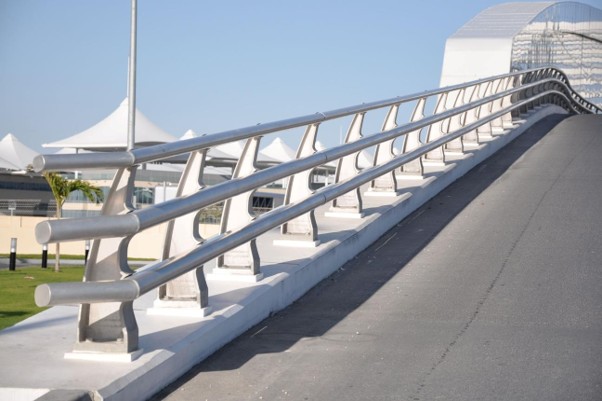
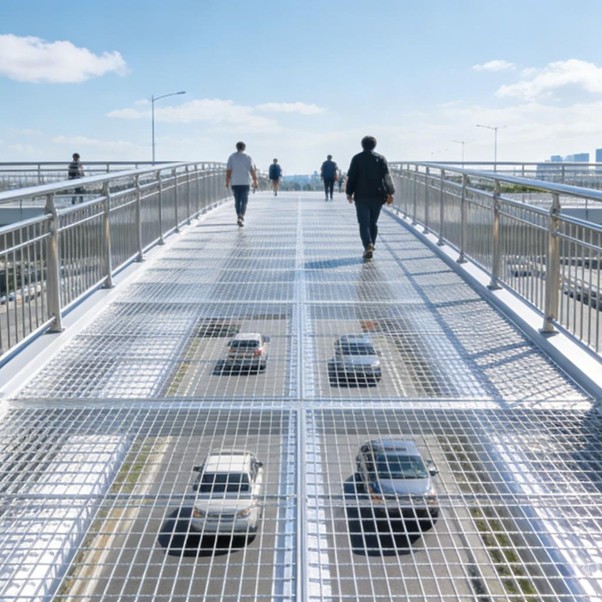
Installing a properly designed Railing Bridge system offers numerous benefits.
These include:
- Improved road safety
- Vehicle containment
- Pedestrian protection
- Enhanced bridge appearance
- Long service life
- Reduced accident severity
- Better compliance with safety standards
These advantages make bridge railings an essential component of modern infrastructure.
Maintenance of Railing Bridge Systems
Like other bridge components, railings require regular maintenance.
Typical activities include:
- Visual inspections
- Corrosion monitoring
- Bolt tightening
- Surface repainting
- Concrete repair
- Cleaning
Routine maintenance helps extend the service life of the Railing Bridge system while ensuring continued safety.
Common Challenges in Railing Bridge Construction
Several challenges may arise during construction.
Examples include:
- Corrosion in coastal areas
- Impact damage from vehicles
- Improper installation
- Material deterioration
- Expansion joint movement
Proper engineering, quality materials, and regular inspections help address these issues effectively.
Conclusion
A Railing Bridge system is far more than a simple protective barrier—it is a critical safety feature that safeguards vehicles, pedestrians, and cyclists while contributing to the overall functionality and appearance of a bridge. From reinforced concrete barriers on highways to elegant cable railings on pedestrian bridges, different railing systems are designed to meet specific safety, structural, and aesthetic requirements.
Understanding the design principles, materials, construction process, and applications of a Railing Bridge helps engineers, contractors, and infrastructure professionals deliver safer and more reliable bridge projects. As transportation infrastructure continues to expand and safety standards evolve, modern bridge railing systems will remain an essential element of durable and efficient bridge design.
Subscribe to my channel on YouTube to gain access to a wealth of knowledge and expertise that can elevate your understanding of Real Estate, project management concepts, & Construction.
Related Articles: Construction