

Construction projects are inherently complex and involve numerous uncertainties that can impact schedules, budgets, quality, and overall project outcomes. Even the most carefully planned projects can face unexpected challenges such as material shortages, labor issues, design changes, weather disruptions, equipment breakdowns, or regulatory delays. This is where Contingency Planning becomes a critical component of successful project management.
Contingency Planning is the process of preparing strategies and backup measures to address potential risks before they occur. Rather than reacting to problems after they arise, construction teams use Contingency Planning to anticipate challenges and develop practical solutions in advance. This proactive approach helps minimize disruptions, maintain project momentum, and protect both timelines and budgets.
In today’s construction environment, where projects are becoming larger and more complex, effective Contingency Planning is no longer optional—it is essential for achieving successful project delivery.
What Is Contingency Planning?
Contingency Planning refers to the process of identifying potential risks that may affect a construction project and developing alternative strategies to address those risks if they occur.
The primary objective of Contingency Planning is to ensure that projects can continue progressing even when unexpected situations arise.
A typical Contingency Planning process includes:
- Risk identification
- Risk assessment
- Impact analysis
- Response planning
- Resource allocation
- Monitoring and review
By implementing Contingency Planning, project teams become better prepared to handle uncertainties without significantly affecting project performance.
Why Construction Projects Need Contingency Planning
Construction projects operate in dynamic environments where numerous factors are beyond direct control.
Common uncertainties include:
- Adverse weather conditions
- Material price fluctuations
- Labor shortages
- Equipment failures
- Design modifications
- Permit delays
- Supply chain disruptions
Without proper Contingency Planning, these issues can result in:
- Project delays
- Increased costs
- Resource conflicts
- Reduced productivity
- Contractual disputes
Contingency Planning provides a structured approach for managing these risks before they escalate into major problems.
Helps Manage Construction Risks Proactively
One of the primary benefits of Contingency Planning is proactive risk management.
Rather than waiting for issues to occur, project teams actively identify potential threats during the planning stage.
This allows them to:
- Evaluate risk probability
- Assess potential impacts
- Develop response strategies
- Allocate contingency resources
For example, if a project is scheduled during the monsoon season, Contingency Planning may include alternative work schedules, temporary drainage systems, or protective coverings for construction materials.
This proactive approach significantly improves project resilience.
Reduces Project Delays
Delays are among the most common challenges in construction projects.
Potential causes include:
- Weather interruptions
- Labor unavailability
- Material delivery delays
- Equipment breakdowns
- Regulatory approvals
A well-developed Contingency Planning strategy helps project teams respond quickly when these issues arise.
For example:
- Backup suppliers can be identified in advance.
- Alternative labor arrangements can be prepared.
- Additional equipment can be arranged if necessary.
These measures reduce downtime and help maintain project schedules.
Protects Project Budgets


Unexpected events often lead to cost overruns.
Examples include:
- Rising material prices
- Emergency equipment repairs
- Additional labor costs
- Design revisions
Contingency Planning allows project managers to establish financial reserves specifically designed to address unforeseen expenses.
Benefits include:
- Better cost control
- Improved cash flow management
- Reduced financial stress
- Greater budget accuracy
A contingency budget acts as a financial safety net that protects project profitability.
Improves Decision-Making During Crises
When unexpected situations occur, project managers often need to make decisions quickly.
Without Contingency Planning, these decisions may be rushed or poorly informed.
With a contingency plan in place, teams already know:
- Available alternatives
- Resource requirements
- Recovery procedures
- Communication protocols
This enables faster and more effective decision-making.
Construction projects benefit greatly when managers can respond confidently rather than react under pressure.
Enhances Resource Management
Construction projects rely on the efficient management of:
- Labor
- Materials
- Equipment
- Subcontractors
Resource shortages can significantly impact project performance.
Contingency Planning helps project teams prepare backup arrangements such as:
- Alternative suppliers
- Reserve equipment
- Additional workforce options
- Emergency procurement procedures
These backup plans ensure that resources remain available when unexpected challenges arise.
Supports Better Project Scheduling
Project schedules often face disruptions due to unforeseen circumstances.
A strong Contingency Planning framework helps protect schedules by:
- Identifying critical activities
- Establishing schedule buffers
- Planning recovery strategies
- Prioritizing key milestones
Project managers can adjust activities more effectively when contingency measures are already defined.
This helps maintain project timelines and improve overall delivery performance.
Minimizes Supply Chain Disruptions

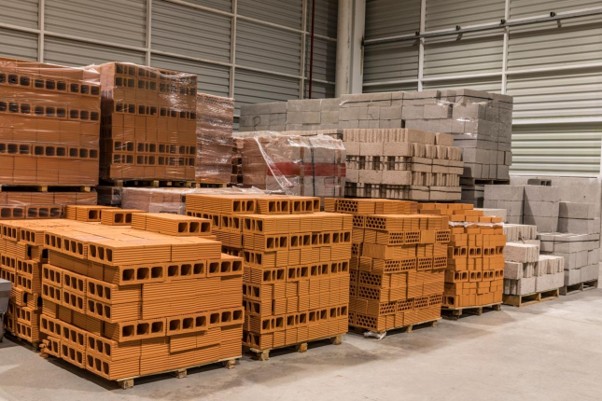
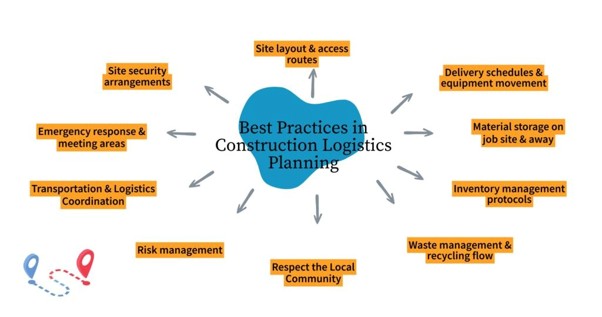
Supply chain issues have become increasingly common in the construction industry.
Potential disruptions include:
- Transportation delays
- Material shortages
- Vendor issues
- Import restrictions
Contingency Planning helps address these risks through:
- Multiple supplier relationships
- Alternative sourcing strategies
- Inventory management plans
- Procurement contingency measures
This reduces dependency on a single supplier and improves project stability.
Improves Safety Management
Safety is a critical concern on every construction site.
Unexpected incidents such as:
- Equipment failures
- Structural instability
- Extreme weather conditions
- Workplace accidents
can create serious safety risks.
Contingency Planning helps establish emergency procedures for such situations.
Typical safety contingencies include:
- Evacuation plans
- Emergency response protocols
- Medical assistance procedures
- Communication systems
Preparedness improves worker safety and minimizes project disruptions.
Helps Manage Design Changes
Design modifications are common during construction projects.
Changes may result from:
- Client requests
- Regulatory requirements
- Technical challenges
- Site conditions
Without proper Contingency Planning, design changes can significantly impact project schedules and costs.
Contingency Planning enables project teams to:
- Assess change impacts quickly
- Allocate additional resources
- Revise schedules efficiently
- Control associated costs
This helps maintain project control despite evolving requirements.
Strengthens Stakeholder Confidence
Stakeholders expect projects to be managed professionally and responsibly.
A well-developed Contingency Planning strategy demonstrates that project teams are prepared for potential challenges.
This builds confidence among:
- Clients
- Investors
- Contractors
- Consultants
- Regulatory authorities
Stakeholders are more likely to trust projects that incorporate structured risk management practices.
Supports Business Continuity

Business continuity is essential for construction organizations.
Unexpected disruptions can affect:
- Ongoing projects
- Revenue streams
- Client relationships
- Company reputation
Contingency Planning helps organizations maintain operations during challenging situations.
Benefits include:
- Reduced downtime
- Faster recovery
- Improved resilience
- Greater operational stability
Companies that prioritize Contingency Planning are often better equipped to handle uncertainty.
Role of Technology in Contingency Planning
Modern construction projects increasingly use technology to improve Contingency Planning.
Popular tools include:
- Building Information Modeling (BIM)
- Risk management software
- Project management platforms
- Predictive analytics systems
These technologies help teams:
- Identify risks earlier
- Simulate project scenarios
- Track emerging threats
- Develop more accurate contingency strategies
Technology enhances the effectiveness of Contingency Planning across all stages of project delivery.
Key Steps in Developing an Effective Contingency Plan
Successful Contingency Planning typically follows a structured process.
1. Identify Risks
Begin by identifying all possible risks that could affect the project.
Examples include:
- Financial risks
- Technical risks
- Environmental risks
- Operational risks
2. Assess Risk Impact
Evaluate:
- Probability of occurrence
- Potential consequences
- Severity levels
This helps prioritize planning efforts.
3. Develop Response Strategies
Create specific actions for addressing each identified risk.
Possible responses include:
- Risk avoidance
- Risk reduction
- Risk transfer
- Risk acceptance
4. Allocate Resources
Ensure adequate resources are available to implement contingency measures when needed.
5. Monitor and Update Plans
Contingency Planning should be reviewed regularly throughout the project lifecycle.
New risks may emerge as construction progresses.
Common Mistakes in Contingency Planning
Despite its importance, some projects fail to implement effective Contingency Planning.
Common mistakes include:
- Underestimating risks
- Ignoring low-probability events
- Insufficient contingency budgets
- Poor communication
- Failure to update plans
Avoiding these mistakes improves preparedness and project resilience.
Future Trends in Contingency Planning
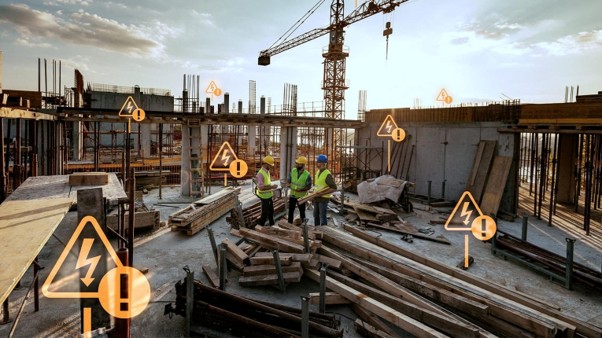
The future of Contingency Planning is being shaped by technological innovation.
Emerging trends include:
- Artificial intelligence risk analysis
- Predictive analytics
- Real-time monitoring systems
- Digital twins
- Automated risk reporting
These tools enable construction teams to identify and respond to risks more effectively than ever before.
As projects become increasingly complex, advanced Contingency Planning capabilities will become even more important.
Benefits of Contingency Planning for Construction Projects
When implemented effectively, Contingency Planning provides numerous advantages:
- Improved risk management
- Better cost control
- Reduced project delays
- Enhanced resource allocation
- Greater stakeholder confidence
- Improved safety performance
- Stronger business continuity
These benefits contribute directly to successful project outcomes.
Conclusion
Contingency Planning is one of the most valuable tools available to construction professionals. In an industry where uncertainty is unavoidable, the ability to anticipate risks and prepare effective response strategies can make the difference between project success and project failure.
From protecting budgets and schedules to improving safety and stakeholder confidence, Contingency Planning supports every aspect of construction project management. It enables project teams to respond proactively rather than reactively, reducing the impact of unexpected events and maintaining project momentum.