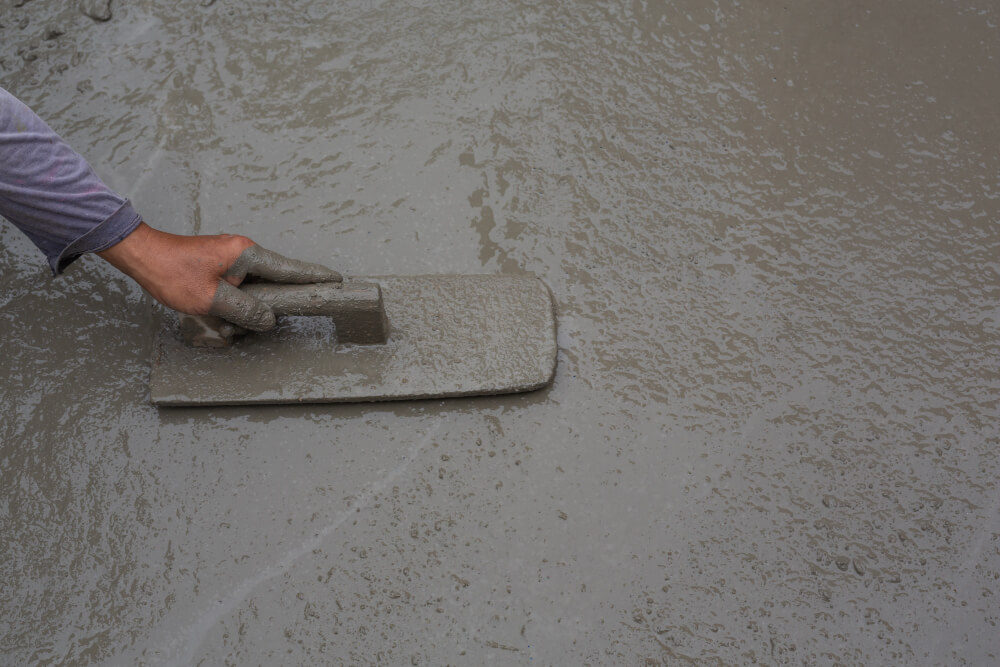
In the world of construction, concrete is often described as the backbone of modern infrastructure. Whether it’s a towering skyscraper, a residential building, or a bridge, the scientific performance of concrete underpins the structural durability and longevity of the project. At the heart of concrete quality is a concept that every successful construction project manager must command with confidence — the Water Concrete Ratio.
Understanding the water concrete ratio isn’t just technical knowledge; it’s a strategic advantage that safeguards quality, optimizes strength, improves sustainability, and ensures that projects meet safety codes and client expectations. This article delves into why mastering the Water Concrete Ratio is indispensable for project managers at every level of construction.
What Is the Water Concrete Ratio?
The Water Concrete Ratio is defined as the mass (weight) of water relative to the mass of cement used in a concrete mix. In simple terms, it represents how much water is mixed with a given amount of cement to form concrete. This ratio is usually expressed as a decimal — for example, a ratio of 0.45 means 0.45 kilograms of water for every kilogram of cement in the mix.
At first glance, this might seem like a simple figure, but its implications reach deep into the concrete’s behavior during mixing, placing, curing, and service life. When understood and controlled properly, the Water Concrete Ratio becomes the cornerstone of quality concrete.
How the Water Concrete Ratio Works
Concrete gains strength through a chemical process called hydration — a reaction between water and cement particles. For complete hydration, only a certain amount of water is chemically necessary. However, in real-world construction, additional water is added to make the concrete workable and easier to place and compact.
Here’s where the Water Concrete Ratio plays a decisive role. If too much water is added, the concrete becomes more fluid and easier to pour, but it weakens after hardening because excess water leaves voids as it evaporates. If too little water is used, the mix becomes stiff and hard to handle, leading to poor compaction and possible structural defects. A balanced Water Concrete Ratio ensures both proper hydration and manageable workability.
Why Water Concrete Ratio Directly Impacts Strength
One of the most critical effects of the Water Concrete Ratio is on compressive strength. There is a well-established relationship: as the Water Concrete Ratio decreases, the strength of the concrete generally increases, provided proper compaction is achieved.
This occurs because excessive water creates microscopic capillary pores once the concrete sets and dries. These pores weaken the internal microstructure and reduce load-bearing capacity. For high-strength structural elements such as columns, beams, and foundations, strict control of the Water Concrete Ratio is non-negotiable.
For project managers, this means that even small deviations in site mixing can significantly alter structural integrity. Strength testing failures often trace back to uncontrolled Water Concrete Ratio adjustments made for convenience during placement.
Durability and Permeability: The Long-Term Consequences
Durability refers to concrete’s ability to withstand environmental conditions such as moisture exposure, chemical attack, and freeze-thaw cycles. The Water Concrete Ratio strongly influences permeability, which is the ease with which water and aggressive agents can penetrate hardened concrete.
Lower Water Concrete Ratio results in denser concrete with fewer interconnected pores. Higher ratios increase porosity, allowing water, chlorides, and sulphates to infiltrate more easily.
This can lead to:
- Corrosion of reinforcement steel
- Surface scaling and deterioration
- Reduced service life of structures
- Increased maintenance costs
For infrastructure projects expected to last decades, improper Water Concrete Ratio control can translate into premature failure and financial losses.
Workability Versus Performance: The Practical Challenge
On construction sites, workers often prefer slightly wetter mixes because they are easier to place and finish. However, adding extra water without recalculating the Water Concrete Ratio compromises strength and durability.
Project managers must understand that workability should not be achieved by simply increasing water content. Instead, modern construction practices recommend using admixtures such as plasticizers or superplasticizers. These chemical agents improve flow and consistency without altering the Water Concrete Ratio significantly.
By ensuring that site teams respect mix design proportions, project managers protect both immediate efficiency and long-term structural performance.
Impact on Shrinkage and Cracking
Excess water contributes to drying shrinkage as the water evaporates after placement. As the concrete shrinks, internal tensile stresses develop. If these stresses exceed tensile strength, cracks appear.
Cracking not only affects aesthetics but also structural durability by allowing water ingress. Slabs, pavements, and large surface areas are particularly vulnerable. Controlling the Water Concrete Ratio minimizes unnecessary shrinkage and reduces crack formation risk.
A well-managed Water Concrete Ratio therefore improves dimensional stability and enhances structural lifespan.
Compliance With Codes and Specifications
Building codes and construction standards often specify maximum permissible Water Concrete Ratio values depending on exposure conditions and structural requirements. For example, concrete exposed to severe environmental conditions typically requires lower ratios to reduce permeability.
Construction project managers are responsible for ensuring that mix designs comply with these regulatory standards. Failure to control the Water Concrete Ratio can result in non-compliance, rejected batches, delays, and contractual disputes.
Understanding these specifications enables managers to coordinate effectively with suppliers, consultants, and quality control teams.
Bond Strength and Reinforcement Performance
In reinforced concrete structures, the bond between steel bars and concrete is crucial. A high Water Concrete Ratio can weaken this bond by increasing porosity around reinforcement surfaces.
Reduced bond strength may compromise load transfer mechanisms and affect overall structural performance. In seismic zones or high-load structures, even minor weaknesses can become critical under stress conditions.
Project managers who understand the relationship between Water Concrete Ratio and bond behavior can better oversee structural reliability.
Cost Efficiency and Sustainability Considerations
Controlling the Water Concrete Ratio also has economic and environmental implications. Overuse of water can result in:
- Increased material wastage
- Lower strength requiring redesign or repair
- Higher long-term maintenance costs
Optimized Water Concrete Ratio enhances material efficiency, reduces rework, and improves sustainability performance by minimizing unnecessary resource consumption.
With growing emphasis on green construction and lifecycle cost analysis, understanding this ratio becomes part of responsible project leadership.
Practical Guidelines for Managing Water Concrete Ratio on Site
Knowledge must translate into action. Construction project managers should follow practical measures to maintain proper Water Concrete Ratio control:
- Always calculate the ratio based on weight, not volume
- Monitor aggregate moisture content, as wet aggregates contribute additional water
- Prevent unauthorized addition of water during transit or placement
- Conduct slump tests to monitor workability without compromising design ratio
- Ensure proper curing to retain necessary moisture for hydration
- Coordinate closely with ready-mix suppliers regarding mix adjustments
Implementing systematic monitoring processes reduces variability and enhances quality assurance.
The Strategic Role of the Construction Project Manager
The Water Concrete Ratio is not merely a laboratory concept; it is a field reality that influences every structural component poured on site. Construction project managers act as the bridge between design intent and execution.
Their responsibilities include:
- Reviewing mix design approvals
- Supervising batching processes
- Ensuring quality control testing
- Addressing environmental and site conditions
- Preventing shortcuts that compromise structural integrity
When managers deeply understand the Water Concrete Ratio, they make informed decisions rather than reactive corrections.
Conclusion
Concrete quality is determined long before the structure is completed. It begins at the mix design stage, where the Water Concrete Ratio quietly defines the future performance of the structure. From strength and durability to workability, shrinkage, bond strength, and regulatory compliance, the Water Concrete Ratio influences nearly every property of concrete.
For a construction project manager, understanding this ratio is not optional — it is foundational. It ensures structural reliability, financial efficiency, and long-term durability. By mastering the principles and practical management of the Water Concrete Ratio, project managers protect not only the immediate success of a project but also the reputation and safety associated with their work.