
Construction projects are inherently complex and involve numerous uncertainties that can affect project schedules, budgets, quality, safety, and overall performance. From labor shortages and material price fluctuations to adverse weather conditions and design changes, construction professionals face risks at every stage of a project. For a Construction Project Manager, the ability to identify, assess, and control these risks is essential for successful project delivery.
This is where Risk Mitigation plays a critical role. Risk Mitigation refers to the process of reducing the likelihood or impact of potential risks before they negatively affect a project. Rather than waiting for problems to occur, construction project managers use Risk Mitigation strategies to proactively address challenges and ensure smooth project execution.
This practical guide explains the importance of Risk Mitigation, common construction risks, effective mitigation strategies, and best practices that every Construction Project Manager should follow.
What Is Risk Mitigation in Construction?

Risk Mitigation is the process of identifying potential threats to a project and implementing measures to reduce their impact or probability of occurrence.
In construction projects, Risk Mitigation focuses on:
- Preventing project delays
- Controlling costs
- Improving safety
- Protecting quality standards
- Maintaining productivity
- Supporting successful project completion
A well-implemented Risk Mitigation strategy enables project managers to handle uncertainties more effectively and maintain better control over project outcomes.
Why Risk Mitigation Is Important for Construction Project Managers
Construction projects involve multiple stakeholders, large financial investments, strict deadlines, and numerous operational challenges.
Without proper Risk Mitigation, projects may experience:
- Budget overruns
- Schedule delays
- Safety incidents
- Resource shortages
- Contractual disputes
- Reduced profitability
Effective Risk Mitigation helps Construction Project Managers anticipate problems before they escalate into major issues.
Benefits include:
- Improved project predictability
- Better resource management
- Enhanced stakeholder confidence
- Reduced financial losses
- Increased project success rates
As construction projects become more complex, Risk Mitigation becomes increasingly important.
Understanding Common Construction Risks
Before implementing Risk Mitigation strategies, project managers must understand the most common risks that affect construction projects.
1. Financial Risks
Financial risks can significantly affect project profitability.
Examples include:
- Material price increases
- Cash flow shortages
- Inflation
- Unexpected expenses
Effective Risk Mitigation helps project managers prepare for financial uncertainty through accurate budgeting and contingency planning.
2. Schedule Risks
Project delays remain one of the biggest concerns in construction.
Common causes include:
- Labor shortages
- Weather disruptions
- Material delivery delays
- Design modifications
Schedule-focused Risk Mitigation strategies help maintain project timelines and minimize disruptions.
3. Safety Risks

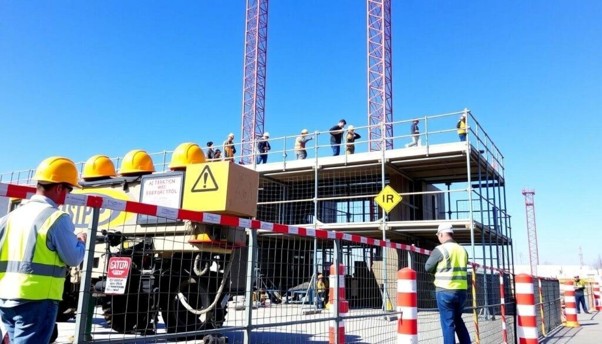
Construction sites present numerous safety hazards.
Potential risks include:
- Falls from height
- Equipment accidents
- Electrical hazards
- Structural failures
Proper Risk Mitigation protects workers while reducing legal and financial liabilities.
4. Quality Risks
Poor workmanship or substandard materials can affect project quality.
Consequences may include:
- Rework
- Client dissatisfaction
- Increased costs
- Structural issues
Quality-focused Risk Mitigation ensures compliance with project specifications and standards.
5. Regulatory Risks
Construction projects must comply with numerous regulations and approvals.
Potential challenges include:
- Permit delays
- Compliance violations
- Environmental restrictions
Early planning and documentation are essential components of Risk Mitigation for regulatory risks.
The Risk Mitigation Process for Construction Projects
A structured Risk Mitigation process helps Construction Project Managers manage uncertainty effectively.
The process generally includes:
Risk Identification
The first step is identifying potential risks that may affect the project.
Sources of risk may include:
- Project design
- Site conditions
- Suppliers
- Labor markets
- Environmental factors
A comprehensive risk register can help organize and document identified risks.
Risk Assessment
After identification, project managers evaluate:
- Likelihood of occurrence
- Potential impact
- Severity level
This helps prioritize Risk Mitigation efforts based on risk significance.
Risk Response Planning
The next step involves developing strategies to address identified risks.
Possible approaches include:
- Risk avoidance
- Risk reduction
- Risk transfer
- Risk acceptance
Each strategy should align with project objectives and available resources.
Risk Monitoring
Construction risks evolve throughout the project lifecycle.
Continuous monitoring ensures that:
- New risks are identified
- Existing risks are reassessed
- Mitigation measures remain effective
Risk Mitigation should be an ongoing process rather than a one-time activity.
How Risk Mitigation Helps Control Project Costs
Cost overruns can quickly affect project profitability.
Risk Mitigation supports cost control by:
- Identifying financial risks early
- Improving budget accuracy
- Reducing unexpected expenses
- Supporting contingency planning
Project managers often establish contingency reserves specifically designed to address unforeseen costs.
These reserves improve financial stability and reduce project stress.
Risk Mitigation for Construction Scheduling

Project schedules are vulnerable to numerous disruptions.
Risk Mitigation strategies for scheduling may include:
- Buffer periods
- Alternative suppliers
- Backup equipment
- Additional labor resources
Project managers can also use:
- Critical path analysis
- Progress tracking tools
- Scheduling software
to identify potential delays before they impact project completion dates.
Strong Risk Mitigation improves schedule reliability and project performance.
Managing Supply Chain Risks Through Risk Mitigation
Supply chain disruptions have become increasingly common in construction.
Examples include:
- Material shortages
- Transportation delays
- Vendor failures
- Global market fluctuations
Risk Mitigation strategies include:
- Maintaining multiple suppliers
- Early procurement planning
- Inventory management
- Supplier performance evaluation
These measures help ensure continuous material availability throughout the project.
Risk Mitigation and Resource Management
Resource-related challenges can affect productivity and project efficiency.
Key resources include:
- Labor
- Equipment
- Materials
- Subcontractors
Risk Mitigation helps project managers:
- Forecast resource requirements
- Prevent shortages
- Improve utilization rates
- Develop backup resource plans
Efficient resource management reduces project disruptions and supports successful delivery.
Improving Construction Safety Through Risk Mitigation
Worker safety remains one of the highest priorities on any construction site.
Risk Mitigation helps reduce accidents through:
- Safety training programs
- Regular inspections
- Hazard identification
- Personal protective equipment (PPE)
- Emergency response planning
A strong safety culture contributes significantly to successful project outcomes.
Safety-focused Risk Mitigation also reduces insurance claims and legal liabilities.
The Role of Communication in Risk Mitigation
Effective communication is critical for successful Risk Mitigation.
Project managers should maintain open communication with:
- Clients
- Contractors
- Consultants
- Suppliers
- Workers
Clear communication helps:
- Identify risks earlier
- Resolve issues faster
- Improve collaboration
- Support informed decision-making
Communication failures often create additional project risks that could otherwise be avoided.
Technology and Risk Mitigation
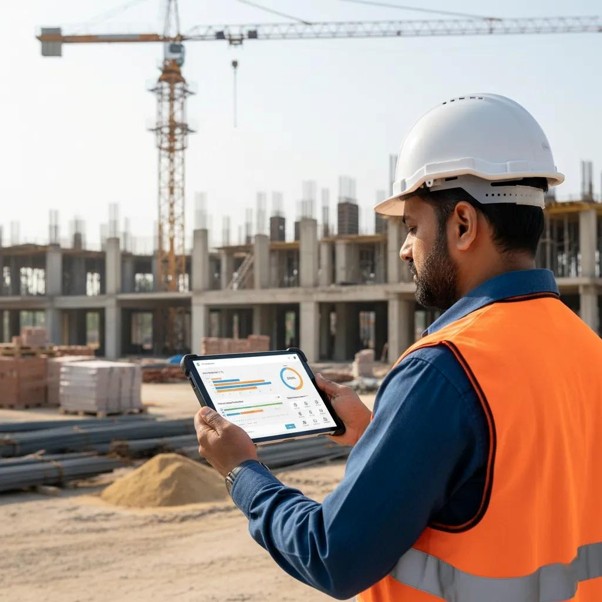
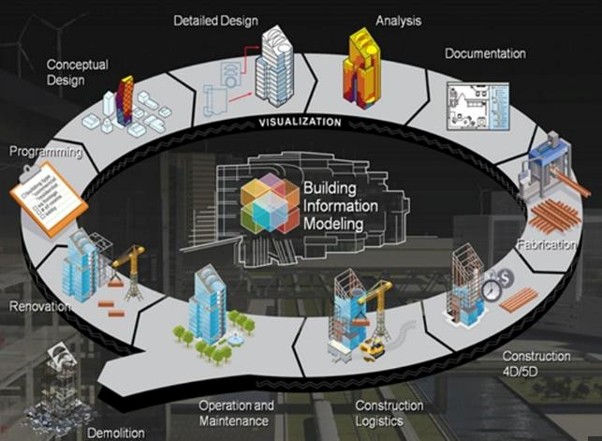

Technology has transformed Risk Mitigation in modern construction projects.
Popular tools include:
- Building Information Modeling (BIM)
- Project management software
- Risk management platforms
- Predictive analytics systems
These technologies help project managers:
- Analyze risks more accurately
- Monitor project performance
- Improve forecasting
- Support data-driven decisions
Technology-driven Risk Mitigation improves efficiency and project control.
Best Practices for Effective Risk Mitigation
Construction Project Managers can improve Risk Mitigation effectiveness by following proven best practices.
Conduct Early Risk Assessments
Identify risks during project planning rather than waiting until construction begins.
Maintain a Risk Register
Document all identified risks along with their:
- Probability
- Impact
- Mitigation measures
Review Risks Regularly
Project conditions change frequently.
Regular reviews help ensure Risk Mitigation strategies remain relevant.
Develop Contingency Plans
Prepare alternative solutions for high-priority risks.
Contingency planning improves project resilience.
Promote Team Involvement
Encourage project teams to identify and report potential risks.
Collective awareness strengthens Risk Mitigation efforts.
Common Mistakes in Risk Mitigation
Despite its importance, many projects struggle with Risk Mitigation due to common mistakes.
Examples include:
- Ignoring low-probability risks
- Failing to update risk assessments
- Inadequate documentation
- Poor communication
- Insufficient contingency budgets
Avoiding these mistakes helps improve project performance and reduce uncertainty.
Benefits of Risk Mitigation for Construction Projects
When implemented effectively, Risk Mitigation provides numerous advantages.
These include:
- Improved cost control
- Reduced project delays
- Better safety performance
- Enhanced quality management
- Stronger stakeholder confidence
- Improved resource utilization
- Increased profitability
These benefits contribute directly to successful project delivery.
Conclusion
Risk Mitigation is one of the most important responsibilities of a Construction Project Manager. In an industry filled with uncertainties, the ability to identify risks, assess their potential impact, and implement effective mitigation strategies can determine the success or failure of a project.
From managing financial challenges and schedule disruptions to improving safety and resource allocation, Risk Mitigation supports every aspect of construction project management. It enables project managers to proactively address issues before they become major problems, improving both project performance and stakeholder satisfaction.
As construction projects continue to evolve in complexity, the importance of effective Risk Mitigation will only increase. Construction Project Managers who prioritize risk management and continuously improve their mitigation strategies will be better positioned to deliver projects on time, within budget, and to the highest standards of quality and safety.