
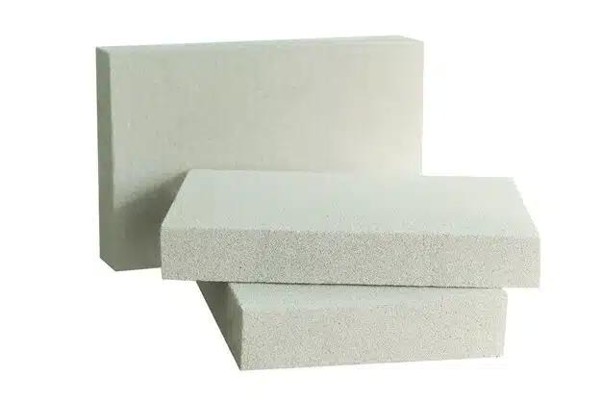
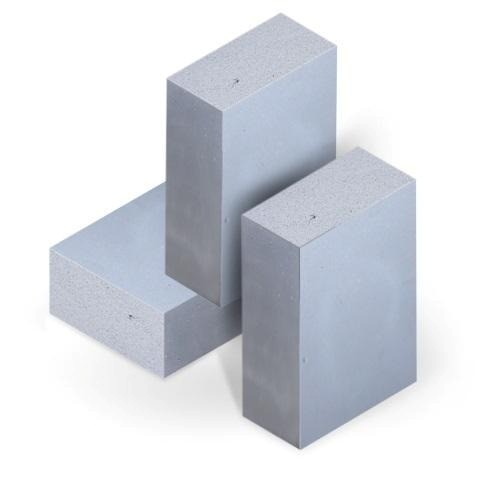
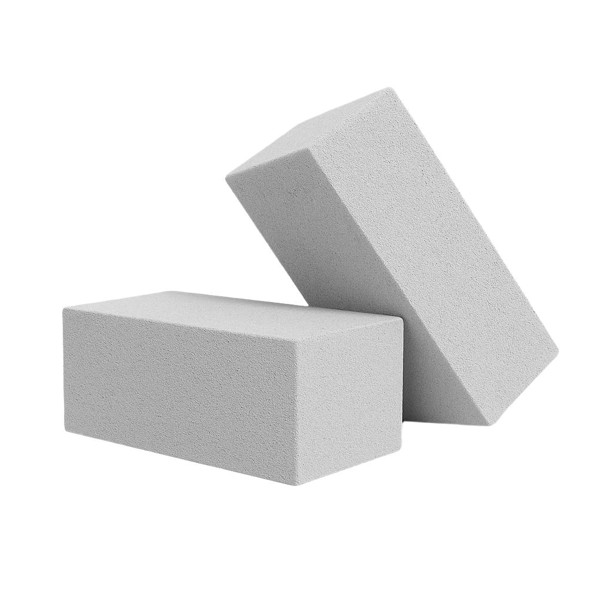
The construction industry has witnessed significant advancements in building materials over the past few decades. As builders and developers increasingly focus on speed, sustainability, cost-efficiency, and structural performance, AAC Blocks have emerged as one of the most preferred alternatives to traditional clay bricks and concrete blocks.
AAC Blocks are widely used in residential, commercial, industrial, and infrastructure projects because of their lightweight nature, thermal insulation properties, and ease of installation. These innovative building materials not only improve construction efficiency but also contribute to sustainable building practices.
Whether you are a contractor, engineer, architect, developer, or property owner, understanding AAC Blocks is essential for making informed construction decisions. This guide explains everything you need to know about AAC Blocks, including their manufacturing process, benefits, applications, and construction advantages.
What Are AAC Blocks?
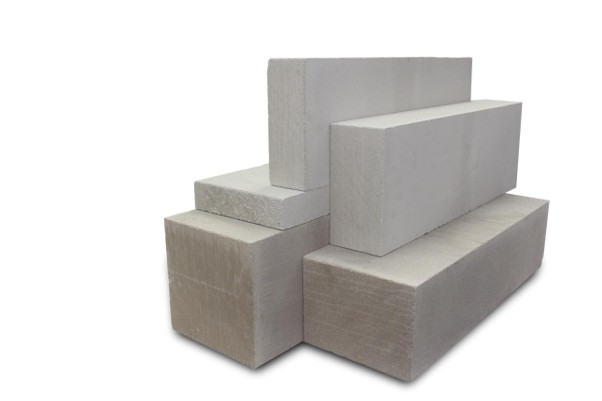
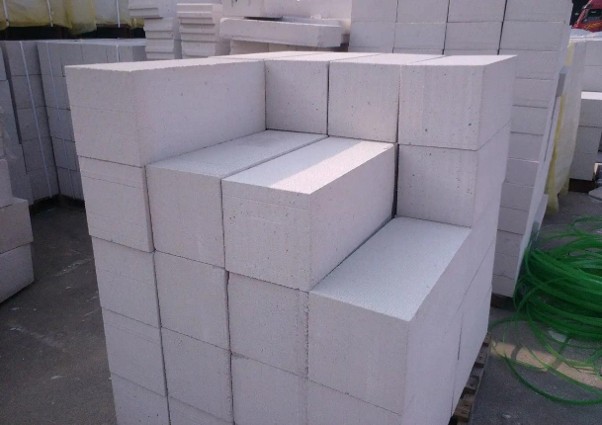
AAC Blocks, or Autoclaved Aerated Concrete Blocks, are lightweight precast building materials manufactured using a mixture of:
- Cement
- Lime
- Fly ash or sand
- Water
- Aluminum powder
The aluminum powder reacts with the other ingredients to create millions of tiny air pockets within the material. These air pockets make AAC Blocks significantly lighter than traditional bricks while maintaining excellent strength and durability.
The blocks are cured in high-pressure steam chambers known as autoclaves, which gives them their unique properties and structural stability.
History and Development of AAC Blocks
AAC technology was first developed in Sweden during the early 20th century as a solution for creating lightweight and energy-efficient construction materials.
Over the years, AAC Blocks have gained widespread acceptance across:
- Europe
- Asia
- North America
- Middle Eastern countries
Today, AAC Blocks are increasingly used in India due to their numerous construction and environmental benefits.
The growing demand for sustainable construction has further accelerated the adoption of AAC Blocks across various sectors.
How AAC Blocks Are Manufactured
The manufacturing process of AAC Blocks involves several carefully controlled steps.
Raw Material Preparation
The primary ingredients are measured and mixed accurately.
These include:
- Fly ash or silica sand
- Cement
- Lime
- Water
- Aluminum powder
Mixing and Casting
The materials are mixed to form a slurry and poured into molds.
The aluminum powder reacts chemically to generate hydrogen gas, creating air bubbles throughout the mixture.
Pre-Curing Process
The mixture expands and partially hardens before cutting.
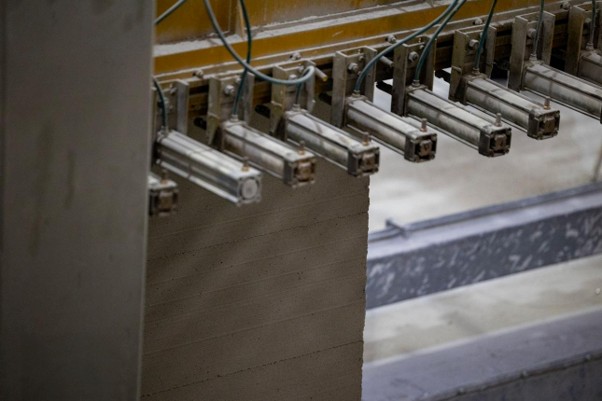
Cutting
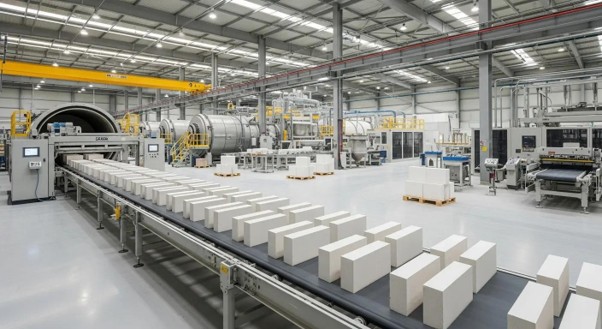
Large blocks are cut into precise dimensions using specialized cutting equipment.
This ensures:
- Uniform sizes
- Accurate dimensions
- Smooth surfaces
Autoclaving
The blocks are cured under high-pressure steam conditions.
This process:
- Increases strength
- Improves durability
- Enhances dimensional stability
After autoclaving, the AAC Blocks are ready for use in construction projects.
Why AAC Blocks Are Gaining Popularity
The popularity of AAC Blocks continues to grow because they address many challenges associated with traditional masonry materials.
Builders increasingly prefer AAC Blocks because they offer:
- Faster construction
- Better thermal performance
- Lower structural load
- Improved sustainability
- Reduced material consumption
These advantages make AAC Blocks suitable for both small and large-scale projects.
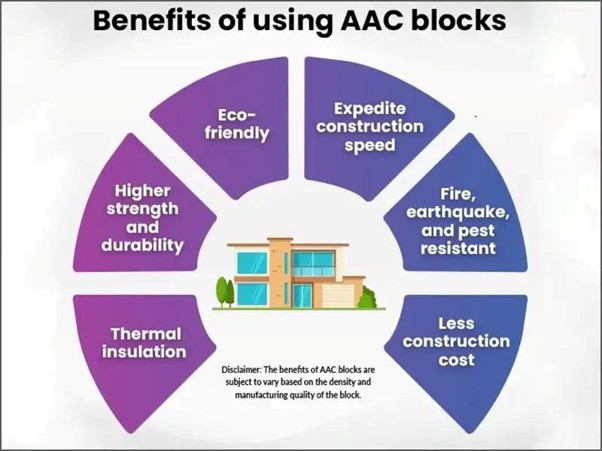
Major Benefits of AAC Blocks
1. Lightweight Construction Material
One of the most significant advantages of AAC Blocks is their lightweight nature.
Compared to conventional clay bricks, AAC Blocks are substantially lighter.
Benefits include:
- Reduced dead load
- Easier transportation
- Faster handling
- Lower structural requirements
Because the building carries less weight, foundation and structural costs can often be reduced.
2. Excellent Thermal Insulation
AAC Blocks contain millions of tiny air pockets that act as natural insulators.
This provides:
- Better temperature control
- Reduced heat transfer
- Improved indoor comfort
Buildings constructed using AAC Blocks often require less energy for cooling and heating.
This contributes to long-term energy savings.
3. Superior Fire Resistance
Fire safety is a major consideration in modern construction.
AAC Blocks offer excellent fire resistance because they are made from inorganic materials.
Benefits include:
- Delayed fire spread
- Improved occupant safety
- Better compliance with fire regulations
This makes AAC Blocks suitable for residential, commercial, and industrial buildings.
4. Sound Insulation Properties
The cellular structure of AAC Blocks helps reduce sound transmission.
This provides:
- Better acoustic comfort
- Reduced noise pollution
- Improved indoor environments
AAC Blocks are particularly useful in:
- Apartments
- Hotels
- Educational institutions
- Hospitals
5. Environmentally Friendly Construction Material
AAC Blocks support sustainable construction practices.
Environmental benefits include:
- Reduced raw material consumption
- Lower energy usage during operation
- Utilization of industrial by-products such as fly ash
- Reduced waste generation
As sustainability becomes increasingly important, AAC Blocks continue gaining preference among environmentally conscious builders.
6. Faster Construction Speed
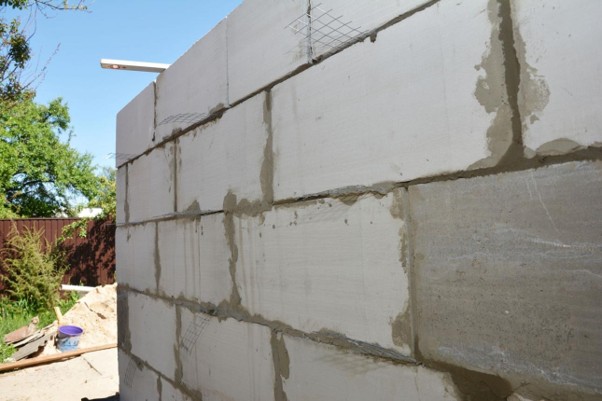
AAC Blocks are larger than traditional bricks.
This means:
- Fewer joints
- Faster installation
- Reduced labor requirements
Construction teams can complete masonry work more quickly, helping projects meet tight deadlines.
Construction Advantages of AAC Blocks
The use of AAC Blocks provides several practical construction advantages.
Reduced Structural Load
Because AAC Blocks are lightweight, the overall building load decreases significantly.
Advantages include:
- Smaller foundation requirements
- Reduced structural steel consumption
- Lower concrete requirements
This can lead to overall project cost savings.
Improved Workability
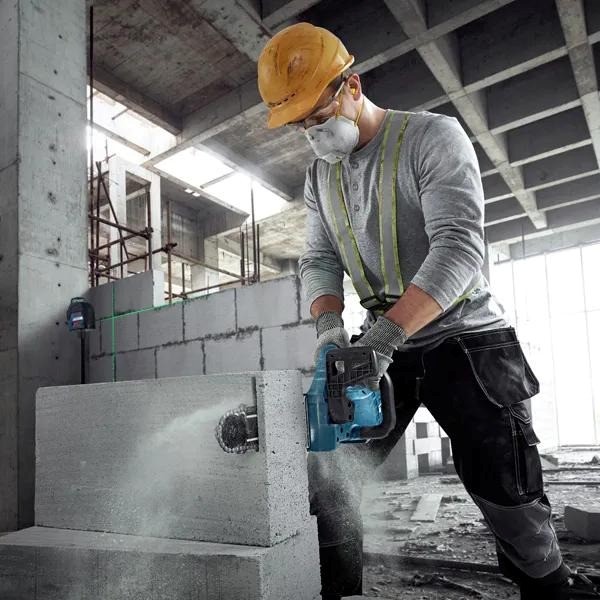
AAC Blocks are easy to cut, drill, shape, and modify.
Workers can easily create openings for:
- Electrical conduits
- Plumbing lines
- Mechanical systems
This flexibility simplifies construction activities.
Accurate Dimensions

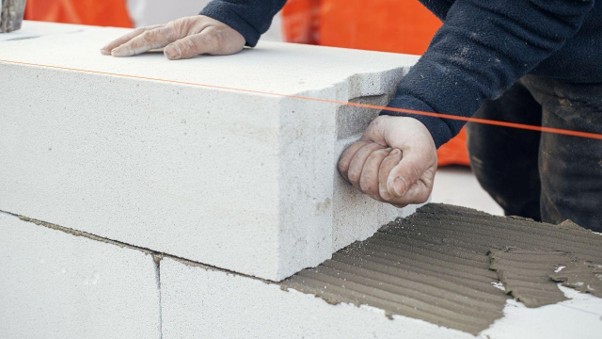
AAC Blocks are manufactured under controlled factory conditions.
This ensures:
- Uniform dimensions
- Smooth surfaces
- Better alignment
As a result:
- Mortar consumption decreases
- Plaster thickness reduces
- Finishing quality improves
Reduced Construction Waste
The precision of AAC Blocks minimizes material wastage during construction.
This contributes to:
- Better site management
- Lower disposal costs
- Improved sustainability
Applications of AAC Blocks
AAC Blocks are suitable for a wide range of construction projects.
Residential Buildings
Common applications include:
- External walls
- Internal partitions
- Villas
- Apartment complexes
Commercial Buildings
AAC Blocks are widely used in:
- Office buildings
- Shopping centers
- Hotels
- Retail spaces
Industrial Structures
Industrial applications include:
- Warehouses
- Factories
- Storage facilities
Institutional Buildings
AAC Blocks are frequently used in:
- Schools
- Colleges
- Hospitals
- Government buildings
Their thermal and acoustic performance makes them ideal for such environments.
AAC Blocks vs Traditional Clay Bricks
Many builders compare AAC Blocks with conventional clay bricks.
AAC Blocks
- Lightweight
- Better thermal insulation
- Faster installation
- Larger size
- Lower dead load
Clay Bricks
- Higher density
- Greater weight
- Slower construction
- Higher mortar consumption
For modern construction projects focused on efficiency and sustainability, AAC Blocks often provide significant advantages.
Common Challenges of AAC Blocks
Although AAC Blocks offer many benefits, there are some considerations.
Higher Initial Material Cost
AAC Blocks may have a higher unit cost compared to traditional bricks.
However, overall project savings often offset this difference through:
- Reduced labor costs
- Faster construction
- Lower structural expenses
Special Adhesive Requirement
AAC Blocks typically use thin-bed mortar or block adhesive rather than conventional mortar.
Proper installation practices are essential for achieving optimal performance.
Need for Skilled Workmanship
Construction teams should understand correct AAC Block installation techniques to maximize benefits.
Training and supervision can help ensure quality workmanship.
Best Practices for AAC Block Construction
To achieve the best results, builders should follow recommended practices.
These include:
- Using approved block adhesives
- Maintaining proper alignment
- Avoiding excessive water absorption
- Following manufacturer guidelines
- Providing proper curing where required
Good construction practices help improve durability and performance.
Future of AAC Blocks in Construction
The future of AAC Blocks looks highly promising as the construction industry continues moving toward sustainability and efficiency.
Key growth drivers include:
- Green building initiatives
- Energy-efficient construction
- Sustainable development goals
- Faster project delivery requirements
- Rising urbanization
As builders seek innovative materials that improve both performance and environmental outcomes, AAC Blocks are expected to play an increasingly important role in modern construction.
In a nutshell
AAC Blocks have transformed modern construction by providing a lightweight, energy-efficient, and environmentally friendly alternative to traditional masonry materials. Their unique cellular structure offers numerous benefits, including thermal insulation, sound resistance, fire protection, and faster construction speed.
From residential homes and commercial buildings to industrial and institutional projects, AAC Blocks provide practical advantages that improve both construction efficiency and long-term building performance. Their ability to reduce structural loads, minimize material wastage, and support sustainable construction makes them a preferred choice for modern builders and developers.
Subscribe to my channel on YouTube to gain access to a wealth of knowledge and expertise that can elevate your understanding of Real Estate, project management concepts, & Construction.
Related Articles: Construction